Entertainment news and discussion on TalkFuse.
Clair Obscur: Expedition 33 director prefers JPRGs to the likes of Skyrim, Fallout, and Baldur’s Gate because their linear narratives allow for “a stronger story” and “more memorable characters”
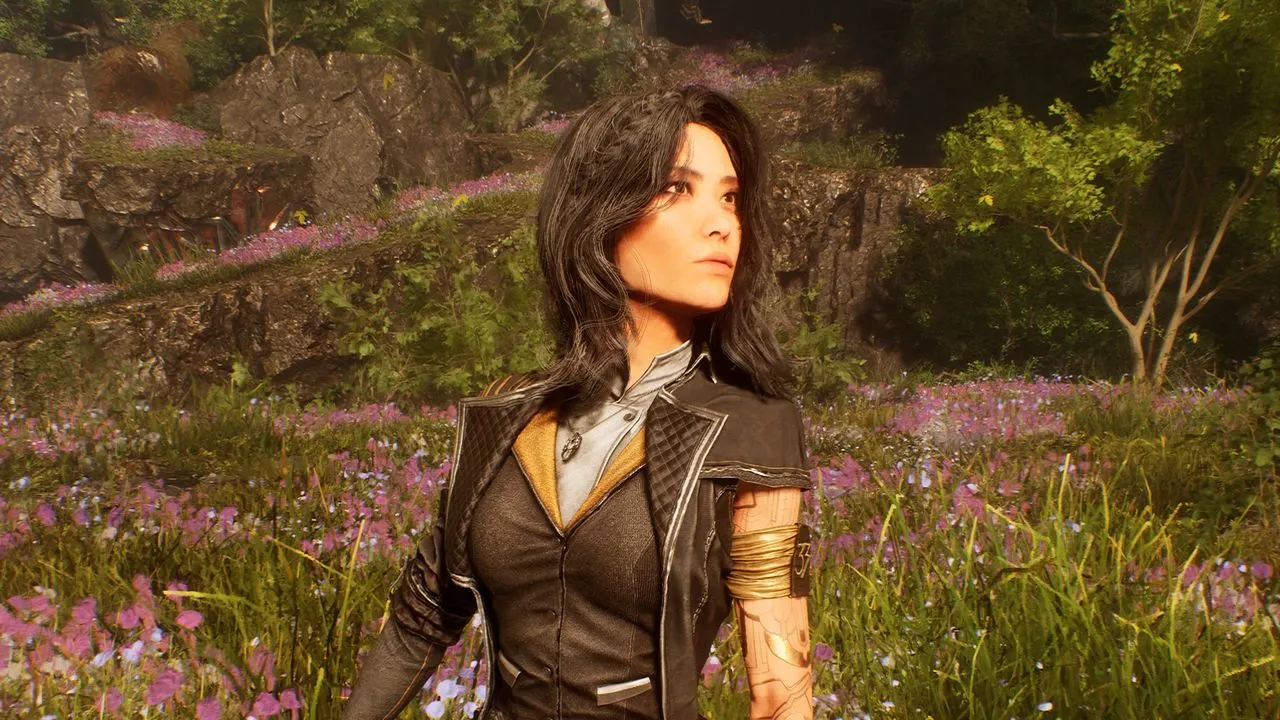
Guillaume Broche, director of the acclaimed RPG Clair Obscur: Expedition 33, has said he prefers the linear structure of Japanese role-playing games to the open-world design of Western titles such as Skyrim, Fallout and Baldur's Gate. He argues that a more constrained, linear narrative allows developers to craft a stronger story and more memorable characters, since players experience events in a fixed order rather than shaping their own path through a sprawling world.
Broche's comments reflect the design philosophy behind Clair Obscur: Expedition 33, which draws heavily on classic JRPG conventions despite being made by a French studio, Sandfall Interactive. He contrasted this approach with the freedom-focused, systemic storytelling typical of Western RPGs, suggesting that the trade-off in player agency can be worthwhile if it produces a tighter, more emotionally resonant narrative arc.
In short
- Clair Obscur director favours JRPGs' linear stories over Western open-world RPGs
- He says linear narratives create stronger stories and characters
- Comments contrast Skyrim, Fallout and Baldur's Gate with JRPG design
Steelman: both sides, in good faith
The strongest fair case each way — we don't pick a winner.
The case for
A linear structure lets developers control pacing, character development and the order in which revelations unfold, making it easier to build a coherent emotional arc and memorable cast. For players who value authored storytelling, fewer choices about where to go can make the central journey feel more focused and consequential.
The case against
Open-world and branching RPGs give players meaningful control over their journeys, letting them explore, make choices and form personal connections with the story. That freedom can create memorable experiences of its own, and systemic storytelling can make a world feel alive in ways a fixed narrative may not; tighter authorial control can also limit replayability and the range of stories players can shape.
Explained simply
Clair Obscur: Expedition 33 is an upcoming role-playing game developed by French studio Sandfall Interactive, which has gained attention for its distinctive design approach and visual style. Guillaume Broche, the game's director, recently outlined his creative philosophy regarding how the studio approaches storytelling and character development.
Japanese role-playing games typically guide players through a predetermined story with set characters and events, whereas Western RPGs such as Skyrim, Fallout and Baldur's Gate emphasise player choice and open-world exploration where the narrative can branch in multiple directions. This fundamental difference shapes how stories are told and what kind of experiences each type offers to players.
Broche's comments highlight an ongoing debate within the games industry about what makes for effective storytelling: the focused, linear narrative approach versus freedom-based systems that let players forge their own path. His position reflects the philosophy behind Clair Obscur's design, which leans towards the tighter narrative control favoured by Japanese titles despite being made by a French team rather than a Japanese one.