Politics news and discussion on TalkFuse.
Spain’s election campaign centres on a sharp ideological divide
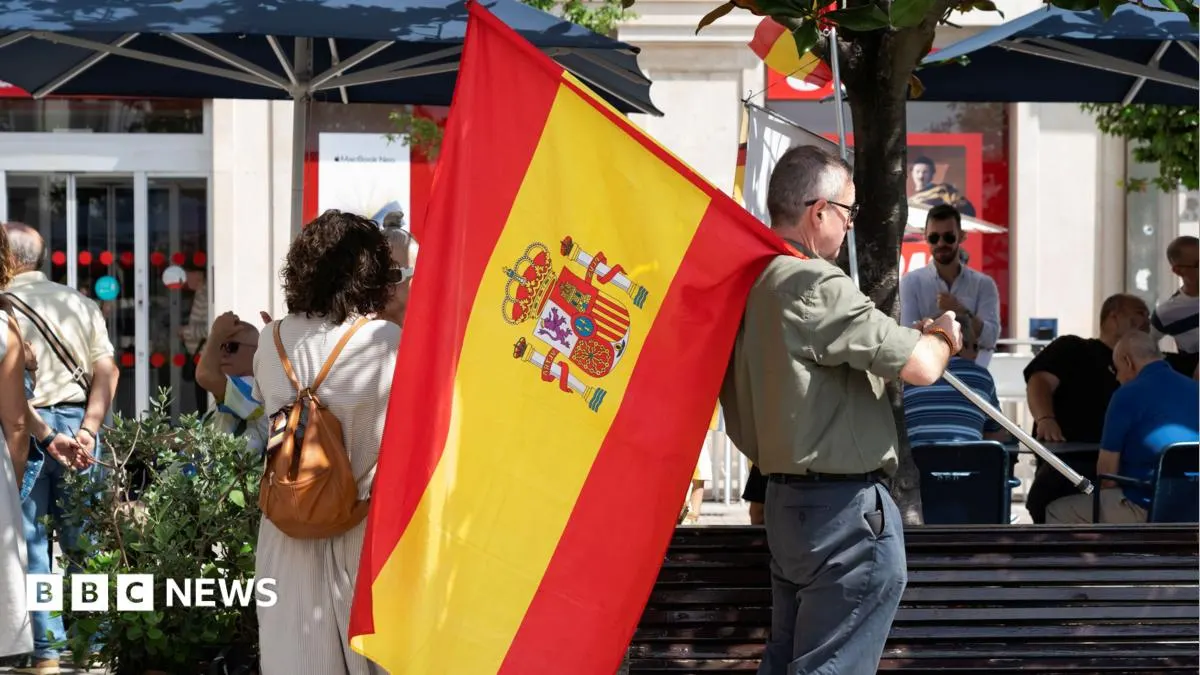
Spain’s election campaign is dominated by a stark ideological divide, with Socialist Prime Minister Pedro Sánchez warning that a victory for the conservative People’s Party and hard-right Vox would move the country backwards. The contest reflects broader disputes over democracy, social policies and Spain’s political alliances, rather than being focused mainly on voters’ assessments of government performance.
Sánchez is praised internationally by the left for his positions on feminism, immigration, green energy and Gaza, and for confronting Donald Trump; Spain has also had steady economic growth. At home, the right accuses him of clinging to power and relying on separatist parties, including Junts, whose support for his government followed an amnesty for people facing legal action over Catalonia’s failed 2017 independence bid. The article says his government has been unable to pass a budget, while PP and Vox have questioned the neutrality of postal and overseas voting.
In short
- Spain’s election campaign is sharply divided along ideological lines.
- The PP leads polls and may govern with Vox.
- Sánchez’s reliance on separatist parties fuels criticism.
Steelman: both sides, in good faith
The strongest fair case each way — we don't pick a winner.
The case for
Supporters of Sánchez can argue that his government has pursued a socially progressive agenda on feminism, immigration and green energy while maintaining economic growth, and that its positions on Gaza and dealings with Trump reflect a principled foreign policy. They may see cooperation with Catalan parties, including the amnesty, as a pragmatic way to secure parliamentary support and reduce political tensions.
The case against
Critics can argue that Sánchez has prioritised staying in office by relying on separatist parties and granting an amnesty to people facing legal action over the failed independence bid, raising questions about consistency and the public interest. They may also point to the government’s inability to pass a budget as evidence of weak governing capacity, while concerns raised by PP and Vox about voting procedures warrant scrutiny to maintain confidence in the election.
Explained simply
Spain is a parliamentary democracy, where voters elect representatives and parties seek enough support in parliament to form a government. The main contenders are the Socialist Party, led by Prime Minister Pedro Sánchez, and the conservative People’s Party; the hard-right Vox party is another important force.
Spain’s politics are shaped by disagreements over social policy, the role of regional parties and the country’s direction. Catalonia’s failed 2017 bid for independence remains a source of tension, and parties from the region can hold significant influence when parliament is closely divided.
The campaign also reflects debate over Sánchez’s record in office, including economic growth and his government’s difficulty passing a budget. Disputes about alliances and voting procedures have added to wider questions about trust in political institutions.
Elections Europe Government Politics World
Read the full article at the source →
Originally published by BBC World as “Clashing political visions reflect a divided Spain ahead of election”.