Climate change to be considered in future Sheffield tram expansion after heatwave brought network to a halt
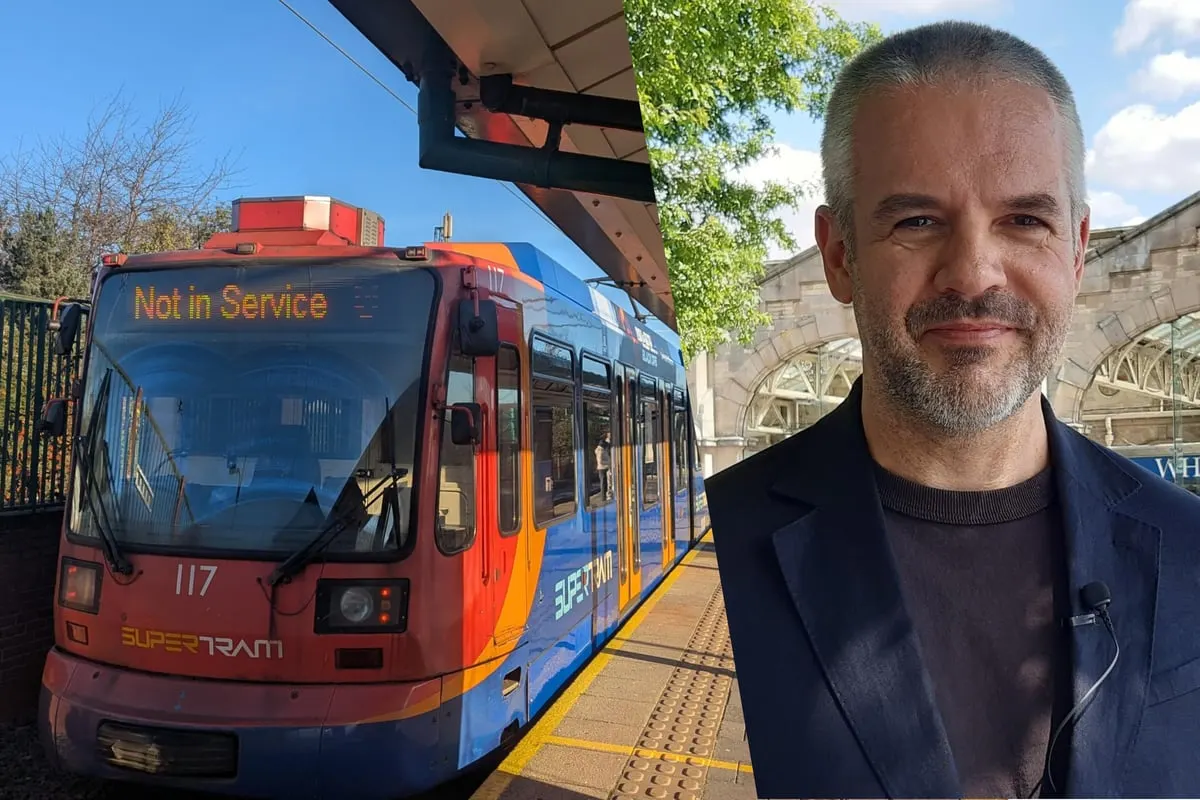
Sheffield's public transport network experienced service failures in June 2026 when temperatures exceeded 34 degrees Celsius during a record-breaking heatwave. The Supertram system's overhead electric lines, designed three decades earlier when such heat was considered extreme, sagged beyond safe operating limits and forced a complete network shutdown. This infrastructure collapse exposed a critical gap between aging transport systems and current climate conditions.
Regional leaders are responding by embedding climate resilience into future tram improvements and expansion plans. The South Yorkshire Mayor has committed to designing network upgrades to withstand temperatures in the mid-to-late 40s Celsius range, with consideration for protective measures including improved air conditioning in vehicles and protective measures for bus network users. Complementary strategies include a large-scale tree-planting initiative targeting 1.4 million trees and exploring economic opportunities in climate adaptation and sustainable industries.
- Sheffield's Supertram shut down during June 2026 heatwave when 34°C heat caused overhead lines to sag; infrastructure designed 30 years ago for lower temperatures
- Regional authority planning future tram upgrades to withstand mid-40s°C temperatures with enhanced cooling; tree-planting and climate-adaptation job development also underway
Both sides, in good faith
The strongest fair case each way — we don't pick a winner.
The case for
Advocates of embedding climate resilience into the tram upgrade argue that the June shutdown was a clear warning sign that ageing infrastructure must be built for the climate that actually exists, not the one assumed thirty years ago. They contend that designing now for temperatures in the mid-to-late 40s, alongside measures like tree-planting and air conditioning, is prudent long-term planning that avoids far costlier emergency fixes and repeated service failures later. They also see genuine economic opportunity in positioning South Yorkshire early in adaptation and sustainable industries, turning a costly disruption into a source of future jobs and investment.
The case against
Sceptics of this approach, while not disputing that the network failed, question whether committing scarce transport budgets to resilience against extreme, decades-away temperature scenarios is the wisest use of public money right now, when more immediate needs such as reliability, fares or bus coverage may serve more residents. They may argue that framing routine infrastructure renewal in climate terms risks inflating costs and timelines through added specifications, and that tying transport upgrades to broader initiatives like mass tree-planting or green industrial strategy stretches the mayor's mandate and budget into areas better handled by separate, more accountable programmes.