Science news and discussion on TalkFuse.
Climate talks in overtime as nations wrestle with response to worsening global warming
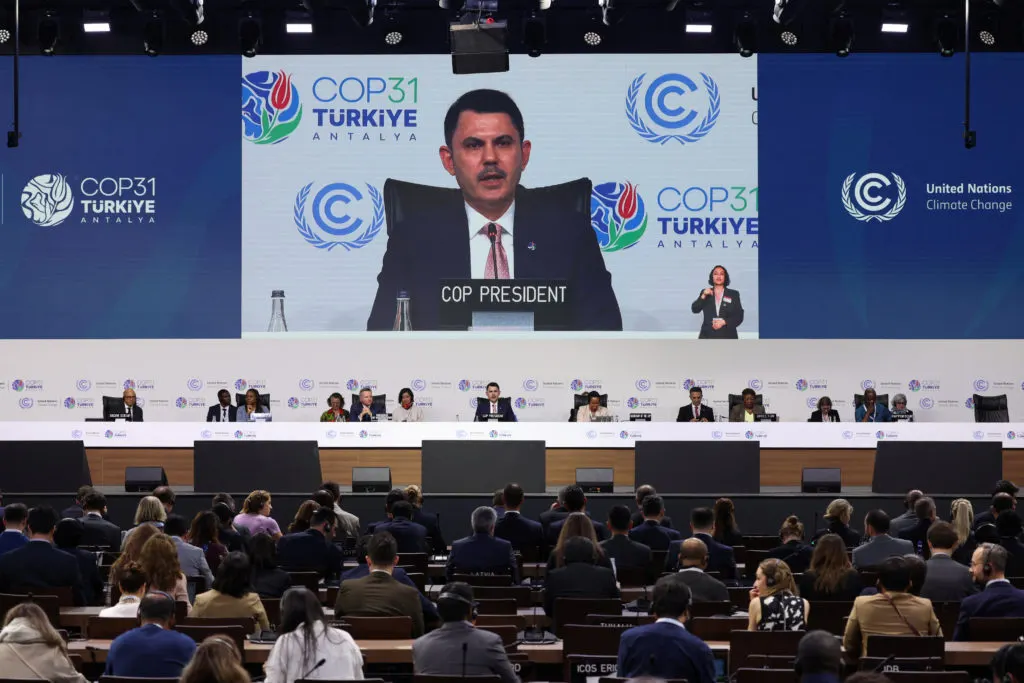
UN climate talks in Turkey ran into overtime as negotiators struggled to agree a final response to global warming. A draft deal that did not mention fossil fuels drew sharp criticism, while scientists say rapid cuts in coal, oil and gas emissions are needed to limit the worst effects of climate change.
The two-week COP31 summit was held in Antalya, where 100 civil society groups urged co-hosts Turkey and Australia to avoid a historic low point in climate negotiations. The UN has said the world is likely to exceed the Paris Agreement’s 1.5°C warming goal, and climate-vulnerable countries are pressing wealthy nations to provide more funding for recovery and adaptation. The United States did not participate directly; the next summit is scheduled for Addis Ababa in November 2027.
In short
- COP31 talks in Turkey continued past their scheduled end.
- A draft agreement drew criticism for omitting fossil fuels.
- Vulnerable nations want more funding from wealthy countries.
Steelman: both sides, in good faith
The strongest fair case each way — we don't pick a winner.
The case for
A final deal that avoids naming fossil fuels may be more achievable among countries with different energy needs and economic circumstances, allowing them to agree on other measures and keep negotiations moving. Advocates may argue that a workable agreement can build trust and support gradual emissions cuts, while explicit language that some governments cannot accept could leave the talks without a deal.
The case against
Without a clear commitment to reduce coal, oil and gas use, a climate agreement may fail to address the main sources of warming or match the urgency identified by scientists. Critics argue that vulnerable countries need both rapid emissions cuts and reliable funding for adaptation and recovery, and that a deal omitting fossil fuels risks weakening confidence in the negotiations.
Explained simply
The United Nations climate talks, known as COP, bring countries together to negotiate how to limit global warming and deal with its effects. The Paris Agreement, adopted in 2015, set a goal of keeping warming well below 2°C and pursuing efforts to limit it to 1.5°C above pre-industrial levels.
Burning coal, oil and gas releases greenhouse gases that trap heat in the atmosphere. Countries differ over how quickly to reduce these emissions and how responsibility and costs should be shared, while nations facing greater climate damage seek funding for recovery and adaptation.
The talks involve nearly every country, alongside scientists and civil society groups that press governments to act. Their agreements can shape national plans and financial support, but countries must negotiate and agree on the wording together.
Climate Geopolitics Politics Science