Business news and discussion on TalkFuse.
Cop31 talks stall as 130 nations seek fossil fuel transition pledge
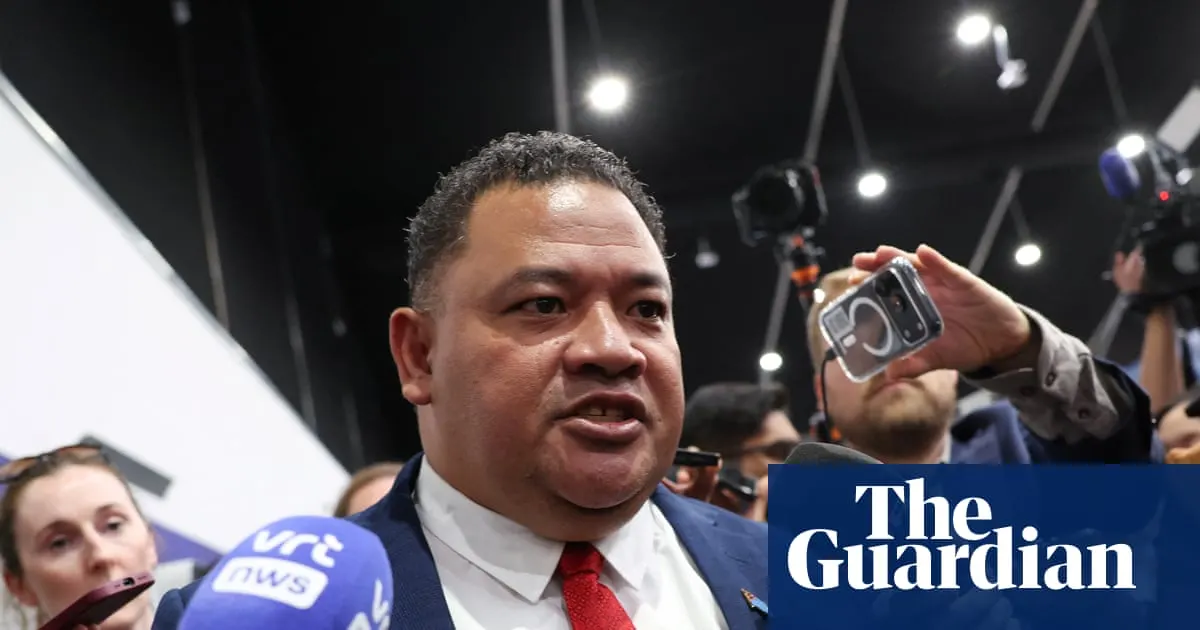
The Cop31 climate summit in Antalya stalled after two weeks of negotiations, with countries unable to agree on a commitment to move away from fossil fuels or stronger financial support for developing nations. Around 130 countries sought to restore language on the transition after it was removed from a revised draft, while some considered publicly challenging Saudi Arabia and its allies, a step that could risk the talks collapsing.
Disputes also centred on Saudi Arabia’s push for carbon capture and storage and a proposed target for electricity to supply 35% of global energy by 2035. The fossil fuel transition was agreed in principle at Cop28 in 2023, but efforts to turn it into action have faltered; talks scheduled to end on Friday were expected to continue into Sunday, with a risk that departing delegates could leave the summit without the required quorum.
In short
- Cop31 talks stalled over fossil fuel commitments and climate finance.
- About 130 countries want transition language restored to the draft.
- Negotiations could run into Sunday and risk losing a quorum.
Steelman: both sides, in good faith
The strongest fair case each way — we don't pick a winner.
The case for
Supporters of restoring a pledge to move away from fossil fuels argue that the Cop28 commitment needs practical follow-through, since continued reliance on those fuels drives climate change. They also say stronger financial support is essential for developing countries to manage the transition fairly, and that a broad coalition of about 130 nations gives the pledge legitimacy.
The case against
Those wary of restoring the pledge may argue that a summit agreement must reflect a workable consensus, and that publicly challenging Saudi Arabia and its allies could collapse talks and jeopardise other outcomes. They may favour focusing on measures such as carbon capture and a target for electricity’s share of energy, arguing that these could cut emissions while accommodating different national circumstances and energy needs.
Explained simply
The UN climate conference, known as COP, brings countries together to negotiate how to address climate change. Fossil fuels such as coal, oil and gas are major sources of the greenhouse gases that warm the planet, while many developing countries also seek financial help to cope with climate impacts and shift to cleaner energy.
At COP28 in 2023, countries agreed in principle to move away from fossil fuels, but turning that agreement into specific action has been difficult. Saudi Arabia has promoted carbon capture and storage, which aims to trap emissions from power stations and industry, and countries also disagree over targets for expanding electricity.
These negotiations matter because their outcome can shape how governments plan energy use and climate funding. Any agreement requires broad support, so disagreements among countries can make it harder to set shared commitments.
Business Climate Geopolitics Government Middle East Politics Science World
Read the full article at the source →
Originally published by The Guardian as “Climate talks stall as countries mull showdown with Saudi Arabia over fossil fuel phaseout”.