Clippers face federal criminal probe after NBA punishes team over Kawhi Leonard deals
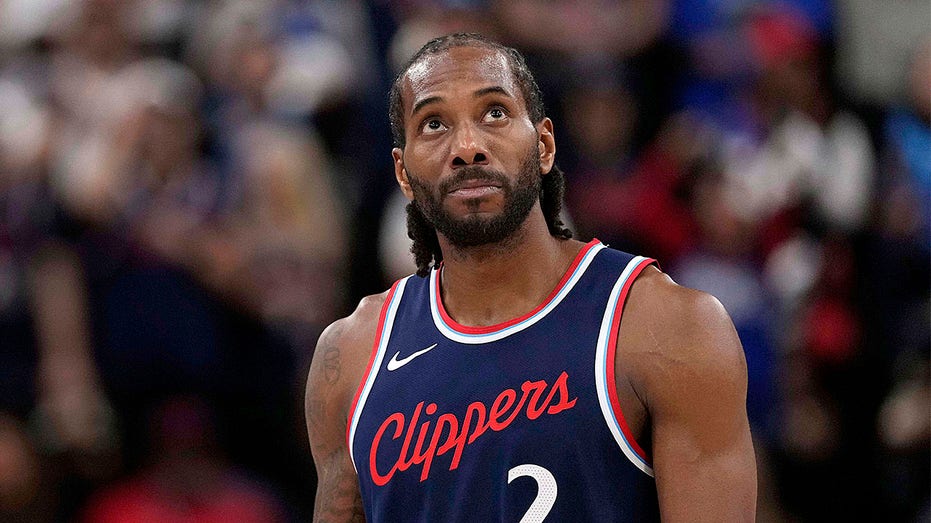
Federal prosecutors in the US Attorney's Office for the Eastern District of New York have opened a criminal investigation into the Los Angeles Clippers over allegations that the team arranged secret sponsorship deals for star player Kawhi Leonard to get around the NBA's salary cap. The probe, first reported by The New York Times, began before the NBA itself announced sweeping sanctions against the club, and marks a significant escalation of a scandal the league has described as a "pattern of misconduct" following a yearlong internal review.
A grand jury has already issued at least one subpoena, with investigators focusing on undisclosed endorsement arrangements, including a reported $28 million deal with the now-bankrupt firm Aspiration Partners, whose co-founder was jailed for fraud; the Securities and Exchange Commission is also involved. The NBA has fined the Clippers $30 million, stripped them of five consecutive first-round draft picks (2029-2033), suspended owner Steve Ballmer for a year and banned Leonard's uncle and manager for five years, while Leonard himself must pay $700,000 in restitution. The Clippers and Ballmer's lawyer have angrily rejected the findings as a "witch hunt", Leonard has denied any knowledge of wrongdoing, and the club is weighing a federal lawsuit against the league, though the criminal probe could complicate that response.
- Federal prosecutors probe Clippers over alleged secret Kawhi Leonard salary-cap deals
- NBA already fined team $30m and stripped five draft picks
- Clippers, Ballmer and Leonard deny wrongdoing, call findings biased
New here? Start with this
Los Angeles Clippers are one of two NBA teams based in Los Angeles, owned by former Microsoft chief executive Steve Ballmer. Their star forward Kawhi Leonard signed with the club in 2019, and questions have long swirled over how the deal came together, given the NBA's salary cap rules limit how much teams can pay players directly. The league runs a strict cap system designed to keep competition fair, and using side payments or sponsorship deals to pay a player beyond that cap is against its rules.
The NBA spent about a year investigating claims that the Clippers arranged additional, undisclosed payments to Leonard through sponsorship-style deals, effectively topping up his salary beyond the cap. One such deal reportedly involved Aspiration Partners, a now-collapsed company whose co-founder has since been jailed for fraud, which is why financial regulators have also taken an interest. The league's findings led it to impose punishments on the club, its owner and others connected to Leonard.
Separately from the NBA's own process, US federal prosecutors in New York have now opened their own criminal investigation into the same allegations, which is a significant step up from an internal sports league inquiry, since it can involve grand juries, subpoenas and potential criminal charges rather than just fines or sporting sanctions. This matters because it raises the stakes for the Clippers, Ballmer and Leonard well beyond basketball, and could shape how the team responds to the NBA's punishment, including any legal action it might otherwise have taken against the league.
Both sides, in good faith
The strongest fair case each way — we don't pick a winner.
The case for
Those who see the league's sanctions and the federal probe as justified argue that salary cap rules exist precisely to preserve competitive balance, and that circumventing them through disguised endorsement payments, particularly via a firm now linked to fraud, undermines fair play for every other franchise that abides by the rules. They contend that a lengthy internal review found a genuine pattern of misconduct, not an isolated error, and that stripping picks, fining the club and suspending the owner reflects the seriousness of deliberately gaming a system all teams agreed to respect. On this view, involving federal prosecutors and the SEC is appropriate given the scale of money involved and the collapse of the sponsoring firm amid fraud allegations, so the public interest in transparency and accountability outweighs any embarrassment to the team.
The case against
Those sympathetic to the Clippers argue that sponsorship and endorsement deals are common in professional sport, and that absent clear proof of an explicit scheme to evade the cap, the punishments risk conflating aggressive but lawful business arrangements with deliberate cheating. They point out that Leonard denies any knowledge of wrongdoing, that the club disputes the league's conclusions and is considering legal action, and that severe penalties, including five years of forfeited draft picks, could be disproportionate if imposed on the basis of an internal review rather than a court finding. On this view, launching a parallel criminal investigation before the league's own process has been tested risks prejudging guilt and unfairly damaging the reputations of the owner, the team and the player before all the facts are established.