Politics news and discussion on TalkFuse.
CNA Explains: Can a country be held accountable for genocide?
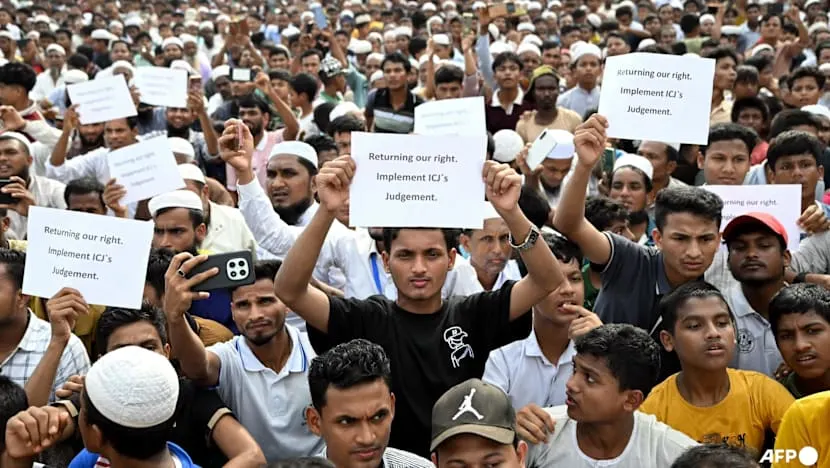
The International Court of Justice has ruled that Myanmar committed genocide against the Rohingya, the first time the court has held a state accountable for genocide. The judgment concerns the military crackdown in 2017 and sets a precedent for applying the 1948 Genocide Convention, while raising questions about whether Myanmar will comply.
By a nine-to-six majority, judges found Myanmar intended to destroy a substantial part of the Rohingya population, citing serious bodily and mental harm, village destruction and measures affecting births. The court ordered Myanmar to stop violence, investigate those responsible and provide restitution and reparations, including enabling safe refugee returns and family reunification. Myanmar must report within two years on steps taken; compensation amounts will be decided later, and the government has criticised the ruling as unfair.
In short
- The ICJ found Myanmar committed genocide against the Rohingya.
- The court ordered reparations and a report within two years.
- Myanmar says the judgment is unfair; it cannot be appealed.
Steelman: both sides, in good faith
The strongest fair case each way — we don't pick a winner.
The case for
The ruling affirms that states can be held responsible under the Genocide Convention when their actions meet the legal standard for genocide, giving victims recognition and a basis to seek remedies. A binding judgment may also strengthen the convention’s deterrent force and clarify that governments have duties to prevent, punish and repair such crimes.
The case against
A reasonable concern is that a politically contested judgment, reached by a divided court, may be seen as unfair or insufficiently grounded, weakening trust in international justice. Even where accountability is warranted, the court has limited means to compel compliance, so orders for reform, reparations and safe returns may raise expectations that cannot be met and could complicate efforts to secure cooperation.
Explained simply
The Rohingya are a mainly Muslim minority from Myanmar, where many have faced discrimination and restrictions on citizenship and movement. In 2017, Myanmar’s military carried out a campaign in Rakhine State that drove hundreds of thousands of Rohingya to flee, mostly to neighbouring Bangladesh.
The 1948 Genocide Convention is an international treaty requiring countries to prevent and punish acts committed with the intent to destroy, in whole or in part, a national, ethnic, racial or religious group. The International Court of Justice, based in The Hague, settles legal disputes between states; it is separate from the court that tries individuals for war crimes.
The case was brought by The Gambia, which argued that Myanmar breached the convention. It matters because the ruling concerns a state’s responsibility under international law, while accountability for individual military or government figures is a separate question.