Science news and discussion on TalkFuse.
Coalition to move away from fossil fuels presses ahead without Colombia, its original champion
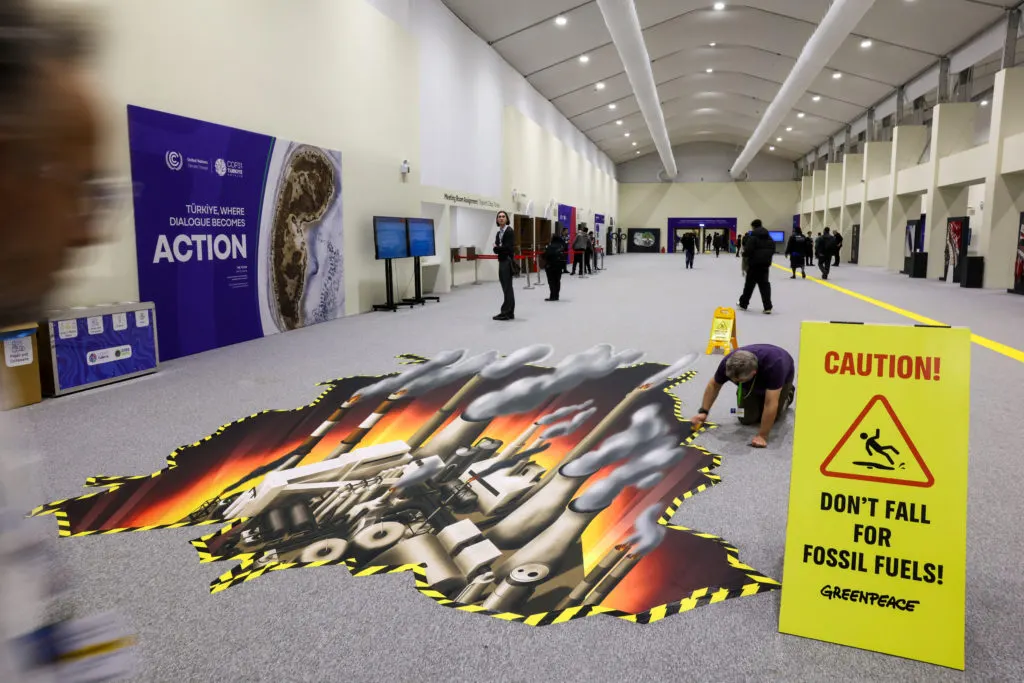
A coalition aiming to speed the transition away from fossil fuels is pressing ahead with new national plans, despite Colombia withdrawing. The initiative was launched in April in Santa Marta, Colombia, and its continued work will test whether the effort can maintain momentum beyond the government that helped establish it.
A progress report due during COP31 in Antalya is expected to outline countries’ steps to reduce reliance on coal, oil and gas. Representatives from 57 countries took part in the Santa Marta conference, which encouraged open discussion without binding deadlines; Ireland and Tuvalu are preparing to lead the initiative, with another conference planned for July 2027. Colombia’s new president, Abelardo de la Espriella, took office in August promising to strengthen the oil and gas industry, after his predecessor had made the shift away from fossil fuels a central policy.
In short
- The coalition continues after founding member Colombia withdrew.
- It is preparing new national plans at COP31.
- Ireland and Tuvalu are set to take over leadership.
Steelman: both sides, in good faith
The strongest fair case each way — we don't pick a winner.
The case for
Continuing the coalition could preserve diplomatic momentum and give countries a forum to share practical plans for reducing reliance on fossil fuels, even as political leadership changes. Its open, non-binding approach may help a diverse group take part and build co-operation without imposing deadlines that governments cannot meet.
The case against
Colombia’s withdrawal raises a fair question about whether the initiative can sustain influence without the country that championed its launch. With no binding deadlines, the coalition may produce discussion and plans without enough pressure to deliver emissions cuts, while changes in national priorities could further weaken follow-through.
Explained simply
Coal, oil and gas are called fossil fuels because they formed from ancient organic matter. Burning them produces greenhouse gases, which contribute to climate change; moving away from them involves replacing their use with other energy sources and reducing reliance on fossil-fuel industries.
The coalition began at a conference in Santa Marta, Colombia, where representatives from 57 countries discussed ways to speed that transition. It encourages countries to share plans and ideas, but does not set binding deadlines, so each government decides what steps to take.
Colombia helped establish the initiative under a previous president who made the transition a central policy. Its new president, Abelardo de la Espriella, took office in August promising to strengthen the oil and gas industry. The coalition’s work matters because it will show how countries can continue co-operating when national policies change.