Coast Guard firefight puts US, Mexico at odds despite coordinated border operations
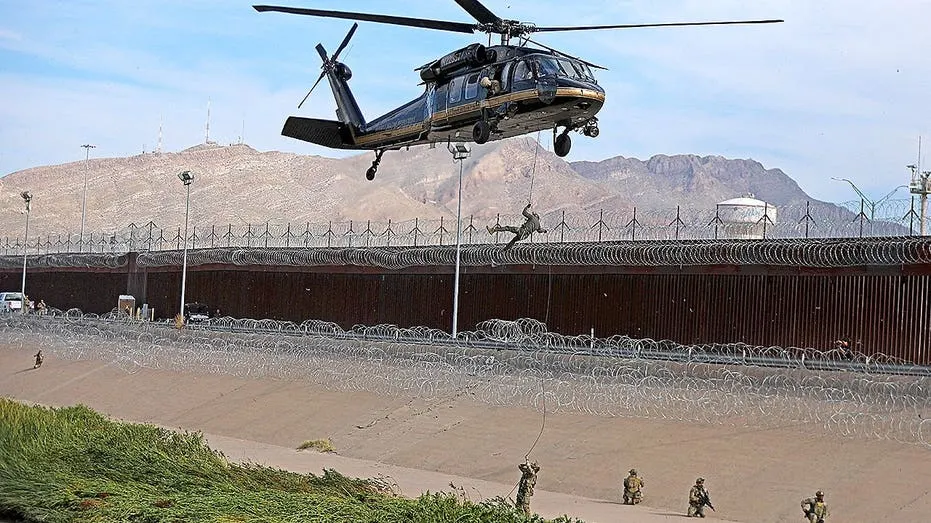
A 26 September firefight near Garceno, Texas, has prompted disagreement between the United States and Mexico over whether gunfire aimed at US Coast Guard personnel came from Mexican territory. The Coast Guard says its crew returned fire during joint interdiction operations; no one was injured and no equipment was damaged. The incident matters because it has raised questions about evidence and accountability while joint border security work continues.
Mexico’s President Claudia Sheinbaum says her government has no evidence that shots came from its side and has asked Washington to provide it. The US State Department says available information was shared through official channels, but has not disclosed what was sent or publicly explained how the gunfire’s origin was established. The exchange took place amid expanded operations along the Rio Grande: the Coast Guard says it has deployed more than 1,000 personnel and 30 assets, while Mexico’s Navy Ministry reported 159 personnel, 11 vehicles and two drones in the Tamaulipas sector.
- US and Mexico dispute where gunfire near the border originated.
- The US says it shared information; Mexico has requested evidence.
- Both countries continue coordinating security operations along the Rio Grande.
New here? Start with this
The Rio Grande forms part of the US–Mexico border, where both countries conduct security operations. The US Coast Guard patrols waterways and works to stop illegal crossings and smuggling; Mexico’s Navy and other agencies also operate in the border area.
The two governments sometimes coordinate these efforts, but they remain separate authorities and can disagree about what happened during an operation. Claudia Sheinbaum is Mexico’s president, and the US State Department handles US diplomacy with other countries.
When an incident involves gunfire near an international border, establishing where it came from can affect how each government accounts for its actions. Clear information matters for public trust and for continued cooperation between the two countries.
Both sides, in good faith
The strongest fair case each way — we don't pick a winner.
The case for
The US account deserves serious consideration: Coast Guard personnel say they came under fire and returned it during a joint interdiction operation, and rapid action to protect crews can be necessary even when an incident crosses a sensitive border. Sharing information through official channels may also be appropriate while an investigation is under way, particularly if public disclosure could compromise operational or diplomatic work.
The case against
Mexico’s request for evidence is reasonable because attributing gunfire to its territory carries serious diplomatic and security consequences, and the US has not publicly explained how it determined the shots’ origin. Without information that can be independently assessed, public confidence and accountability are harder to secure; continued cooperation is strongest when both governments can verify what happened.