World news and discussion on TalkFuse.
Collapse in Farage’s approval rating could spell the end for the Reform revolution
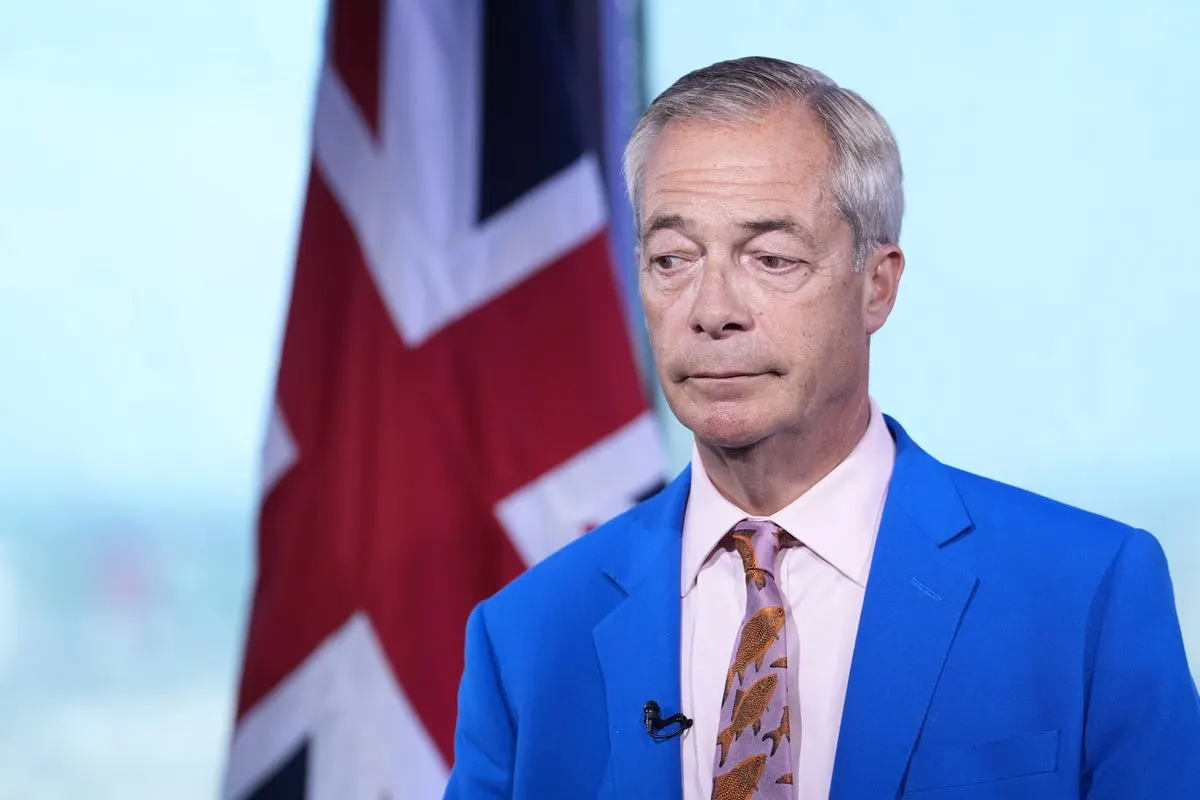
Nigel Farage’s sharply worsening approval rating is presented as a serious threat to Reform UK because the party depends heavily on his personal appeal and leadership. The article argues that Reform’s ambition to move from protest movement to a party capable of forming a government has exposed weaknesses in its organisation, policies and candidate selection.
More in Common reportedly put Farage’s net approval rating at -32, a fall of 10 points in two weeks since early July. Reform had led polls for 15 months, but Labour regained the lead after Andy Burnham replaced Keir Starmer, while Kemi Badenoch’s Conservatives have also improved; party insiders say Farage appears tired and frustrated, although allies argue a downturn was inevitable.
In short
- Farage’s falling popularity threatens Reform UK’s leader-centred strategy.
- Reform faces organisational and policy weaknesses.
- Labour and Conservatives have regained momentum.
Steelman: both sides, in good faith
The strongest fair case each way — we don't pick a winner.
The case for
Farage’s falling approval may signal a serious problem for Reform because the party’s rise is closely tied to his personal appeal, and voters may question whether it can govern if its organisation, policies and candidate selection remain weak. Labour’s return to the polling lead and Conservative gains could further undermine Reform’s claim to be the main alternative.
The case against
A short-term fall in one approval measure does not necessarily mark the end of Reform’s momentum; a downturn may have been inevitable after a prolonged period of strong polling, and voters’ views can shift again. Reform could use the pressures of moving beyond protest politics to strengthen its organisation and broaden its appeal, while Farage’s prominence may remain an electoral asset.
Explained simply
Nigel Farage is the leader and founder of Reform UK, a relatively new political party that has positioned itself as an anti-establishment alternative to the Conservative and Labour parties. The party emerged from earlier movements founded by Farage and has successfully attracted millions of voters who feel dissatisfied with traditional politics.
Reform UK's political strategy relies heavily on Farage's personal appeal, visibility and leadership rather than on deep institutional roots or a long track record in government. The party is still developing its policies and selecting candidates across the country, and critics suggest these areas need significant strengthening if the party is to convince voters it could run a government effectively.
Reform has experienced a dramatic rise in support, at one point leading in national polls ahead of all other parties. However, the party's long-term prospects depend on whether it can build lasting foundations beyond Farage's personal popularity, and whether he remains an effective leader in voters' eyes.