Politics news and discussion on TalkFuse.
College students express strong trust in school leaders despite broader public cynicism: Gallup
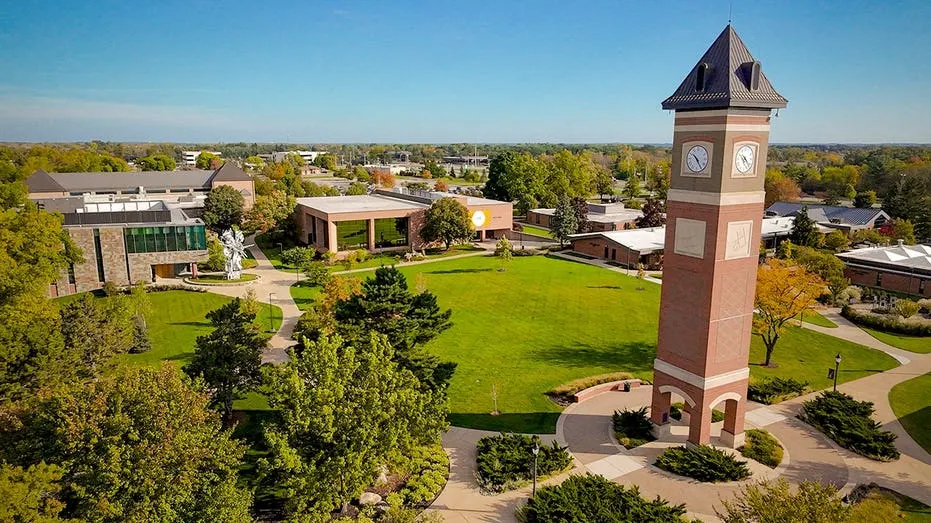
A new Gallup poll conducted with the Lumina Foundation has found that most current college students trust their institution's leadership, despite a broader decline in American public confidence in higher education. The findings suggest students' first-hand experience diverges sharply from the wider public's growing scepticism, which is driven by concerns over cost, perceived political bias and doubts about the value of degrees for career success.
The poll found 55% of college students believe their school's administration usually acts with students' best interests in mind, with 12% saying this happens "all of the time" and 43% "most of the time"; around one in three said it happened only "some of the time", and roughly one in ten said "rarely" or "never". Students at top-ranked institutions were slightly less likely to trust their leadership, though confidence in campus administrators remained far higher than in elected politicians across the board. The survey polled 3,801 enrolled students aged 18 to 59 between 2 and 31 October, and comes as separate Gallup data shows only 38% of US adults now hold strong confidence in higher education, down from 42% the previous year, amid intensified political scrutiny of universities over DEI, antisemitism and viewpoint diversity.
In short
- 55% of college students trust their school's leadership to act in their interest
- Contrasts with just 38% of US adults trusting higher education overall
- Cost, political bias and job-readiness concerns drive wider public scepticism
Steelman: both sides, in good faith
The strongest fair case each way — we don't pick a winner.
The case for
Students have direct, daily experience with their institutions and see genuine dedication from educators committed to their success. Their trust reflects what actually happens in classrooms and offices—the core mission of education. The broader public's scepticism, whilst understandable given rising costs, is largely shaped by political narratives and media coverage rather than engagement with how universities actually function. Students' perspective, grounded in lived reality, offers a truer picture of institutional effectiveness.
The case against
The public's concerns about higher education's value are grounded in documented problems—tuition costs that have outpaced inflation, employment outcomes that don't consistently justify the investment, and documented ideological conformity in some departments. Students experiencing their own education may not perceive these systemic issues, particularly long-term career trajectories or the comparative effectiveness of their credentials. The public, especially families making costly decisions, may be more attuned to whether universities are delivering on their fundamental promise of economic preparation and intellectual diversity.
Explained simply
In the US, colleges and universities are run by administrators who make decisions about teaching, student services and campus rules. Students encounter these leaders directly, while members of the wider public may judge higher education through debates about its cost, politics and value for future jobs.
Gallup is a polling organisation, and the Lumina Foundation supports work on access to education after high school. Their survey asked enrolled students how often they felt their institution’s administration acted in students’ interests. Separate polling tracks how confident US adults are in higher education overall, offering a broader measure of public opinion.