Colorado pro-life sidewalk counselor battles state ‘bubble law’ she says curtails First Amendment
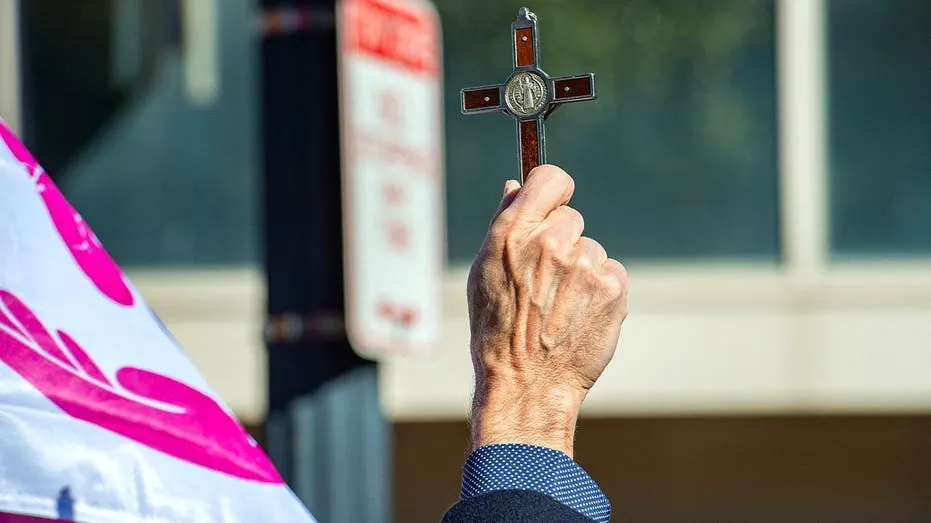
Wendy Faustin, a Colorado sidewalk counsellor who offers abortion alternatives outside clinics, is appealing a ruling that upheld the state’s “bubble law”. She says the restrictions make private, compassionate conversations difficult and burden her First Amendment rights; the case could also affect how courts assess speech restrictions around health facilities.
Colorado law and a Denver ordinance bar people from knowingly approaching within eight feet of someone, without consent, to distribute literature or engage in protest, education or counselling within 100 feet of a health facility entrance. Breaches are petty offences that can lead to a fine or short jail sentence. The US Supreme Court upheld Colorado’s law in 2000, and a federal judge rejected Faustin’s challenge last July; her appeal is before the 10th Circuit. Her lawyer says the rules treat pro-life speakers differently, while Faustin says she wants to share information about pregnancy resource centres and adoption agencies.
In short
- Faustin is appealing Colorado’s eight-foot approach restriction near clinics.
- The law applies within 100 feet of health facility entrances.
- The Supreme Court upheld the law in 2000.
Steelman: both sides, in good faith
The strongest fair case each way — we don't pick a winner.
The case for
Supporters of the law argue that people entering health facilities should be able to do so without being approached at close range, pressured or obstructed. Requiring consent before someone comes within eight feet protects access and personal space while still allowing protest, counselling and leafleting from further away.
The case against
Critics argue that the restrictions can make a brief, quiet conversation difficult, especially when a counsellor wants to offer information to someone who may welcome it. They contend that the law burdens protected speech and may be applied unevenly to pro-life speakers, so courts should weigh its limits against the importance of free expression near public-facing facilities.
Explained simply
Colorado’s “bubble law” applies near entrances to health facilities. Within 100 feet of an entrance, it bars people from knowingly coming within eight feet of someone, without consent, to offer leaflets or engage in protest, education or counselling. Breaking the rule can bring a fine or a short jail sentence.
The law sets boundaries on how people may approach others near clinics, including those seeking healthcare. The US Supreme Court upheld Colorado’s law in 2000, and a federal judge rejected Wendy Faustin’s challenge last July. Her appeal is before the 10th Circuit, a federal appeals court, and the case concerns how courts assess speech restrictions near health facilities.