World news and discussion on TalkFuse.
Commentary: As Southeast Asia cracks down on scammers, a new base emerges
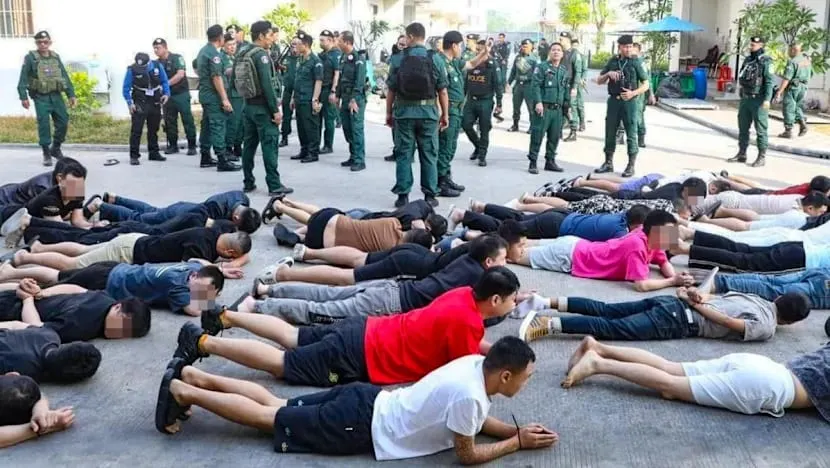
Crackdowns on large scam compounds in Southeast Asia are pushing syndicates to set up smaller operations in South Asia, where enforcement gaps and low costs can make it easier to operate. The shift matters because tackling these networks increasingly requires countries beyond Southeast Asia to co-operate.
In Pakistan, a raid in Rawalpindi in October detained 130 Malaysians accused of posing as bank and police officers to defraud people in Malaysia; an earlier Islamabad raid detained 258 foreign nationals. Sri Lanka has arrested more than 1,100 foreign nationals for alleged cybercrime since the start of 2026. India and Pakistan are strengthening responses, while an FBI team is due to train Sri Lankan investigators.
In short
- Scam syndicates are relocating from Southeast Asia to South Asia.
- Pakistan raids detained 130 Malaysians and 258 other foreign nationals.
- Sri Lanka has arrested over 1,100 foreign nationals since 2026 began.
Steelman: both sides, in good faith
The strongest fair case each way — we don't pick a winner.
The case for
Expanding scam operations into South Asia shows that enforcement in one region can displace criminal networks rather than dismantle them, so countries need to share intelligence, build investigative capacity and co-ordinate action. Training and stronger responses may help protect victims and prevent syndicates from exploiting gaps between jurisdictions.
The case against
Cross-border co-operation and tougher enforcement can be justified, but raids and arrests based on allegations require careful investigation and due process, especially where many foreign nationals are detained. Governments should also weigh whether outside training and enforcement pressure build lasting local capacity, and ensure action does not substitute for evidence-led prosecutions or safeguards for those accused.
Explained simply
Scam networks in parts of Southeast Asia have used large compounds, where workers contact people abroad and pose as officials or bank staff to steal money. Raids and tighter enforcement have made it harder for some groups to operate there, and reports say some are moving to smaller sites elsewhere in South Asia.
The networks often cross borders: organisers, workers, victims and stolen funds may be in different countries. Pakistan, Sri Lanka and India are responding to alleged cybercrime, while investigators are also seeking international support and training.
The issue matters because arrests in one country may not stop a network that can relocate or use people and services in another. Co-operation between governments and police can help them share information and pursue cases across borders.