Video games news, releases, esports and culture — all the biggest gaming stories in one place.
Communication is the biggest puzzle piece in chill co-op game Big Walk, so don’t take any shortcuts by using Discord
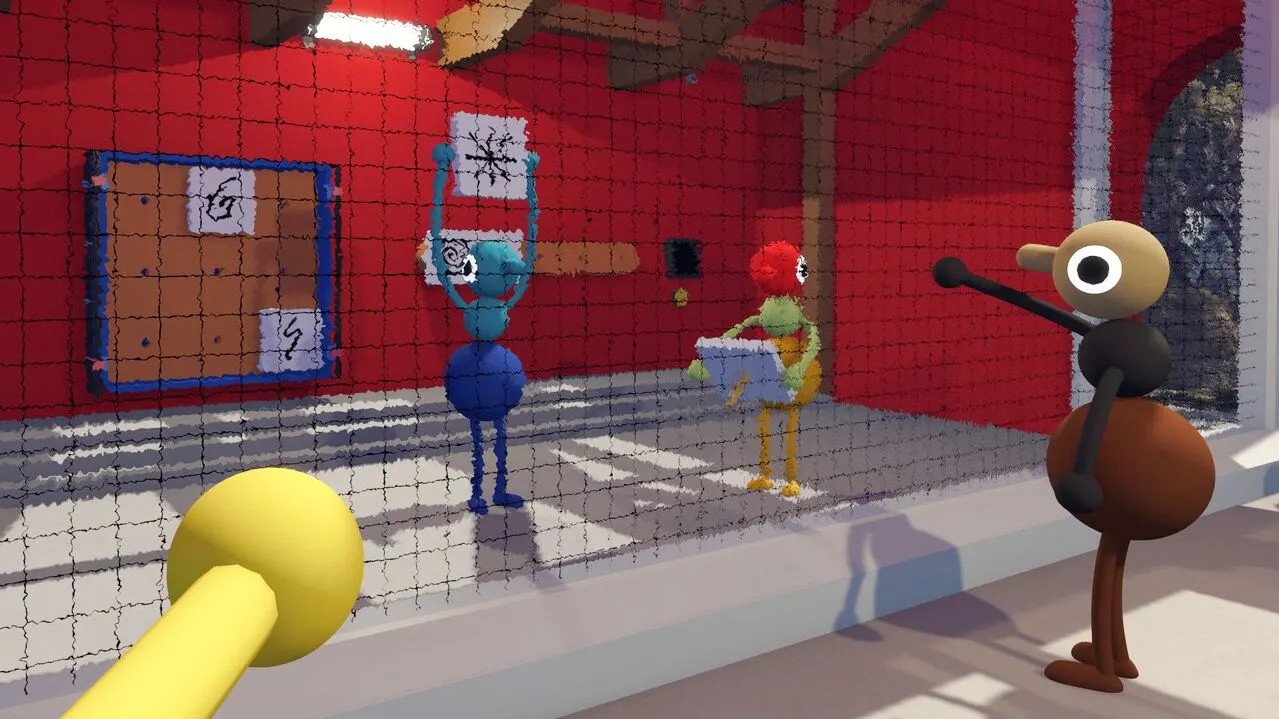
PC Gamer argues that players of Big Walk should avoid Discord because the game makes restricted, proximity-based communication central to both its puzzles and social experience. The co-operative adventure from Untitled Goose Game developer House House is designed around players adapting when they cannot simply speak freely to one another, making its in-game chat part of the challenge rather than a convenience.
Voices fade with distance, echo in corridors, become muffled by walls and can be relayed through items such as walkie-talkies; players can also use gestures and text chat. Big Walk supports two to 12 players, and its developers say using outside voice chat will not be punished, but may make puzzles less meaningful and reduce the intended sense of discovery.
In short
- Big Walk makes communication a core puzzle mechanic.
- Discord can undermine its proximity-chat challenges.
- The game supports two to 12 players.
Steelman: both sides, in good faith
The strongest fair case each way — we don't pick a winner.
The case for
Big Walk's design brilliance lies in its restriction-based mechanics as core puzzle elements rather than mere limitations. The developers intentionally engineered communication constraints, signal degradation, and adaptive systems to generate collaborative problem-solving challenges. Using Discord bypasses these carefully designed elements, undermining the intended experience and the discovery that emerges from players adapting to their constrained communication environment.
The case against
The developers explicitly permit Discord without penalty, implicitly recognising that players have diverse needs, preferences, and accessibility requirements. Some players may find in-game communication restrictions frustrating rather than engaging, or may need more flexible communication for practical or health reasons. Respecting player autonomy means allowing people to engage with the game's puzzles and social experience in whatever way maximises their personal enjoyment and inclusion.
Explained simply
Big Walk is a co-operative adventure game from House House, the Australian studio behind Untitled Goose Game. Players explore and solve puzzles together, with the game designed for groups of two to 12.
Players can communicate through voice, gestures and text, but voice works differently depending on where they are: it fades with distance, is muffled by walls and can echo in corridors. Items such as walkie-talkies can help carry messages between players.
The developers say outside voice chat is allowed, but it can change how players tackle puzzles and share discoveries. That makes the game’s communication system part of the experience, rather than just a way to coordinate.