Entertainment news and discussion on TalkFuse.
Goodman scraps Sydney AI data centre plan after local opposition
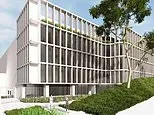
Goodman Group has abandoned plans for Project Mars, a proposed AI data centre in Lane Cove West, northern Sydney, after strong local opposition and changes in the regulatory environment. The decision matters because it halts a large, round-the-clock facility planned close to homes and a public school, amid wider debate about the impacts of Australia’s growing data centre industry.
The proposed three-storey centre would have covered 21,000 square metres, operated at 90 megawatts and used an estimated 1.4 million litres of drinking water a day for cooling. Its planning application received 374 public submissions, with only nine in support; Sydney Water had also warned that existing infrastructure would be limited in its ability to supply the project. New South Wales has introduced rules requiring developers to fund additional water and energy supply, while federal legislation is not expected until early 2027.
In short
- Goodman has dropped plans for the Lane Cove West AI data centre.
- The project faced strong opposition, with only nine of 374 submissions in support.
- It was projected to use 1.4 million litres of water daily.
Steelman: both sides, in good faith
The strongest fair case each way — we don't pick a winner.
The case for
Australia needs modern data centre infrastructure to compete globally in the digital economy and support critical AI capabilities. Data centres are essential utilities, akin to power stations or water treatment works, and the project would have generated jobs and investment while meeting genuine national needs. Regulatory solutions—such as newly introduced water and energy supply rules—could have addressed infrastructure concerns, and technological improvements might have reduced water usage. Abandoning such projects due to local opposition risks leaving Australia dependent on overseas capacity and undermines efforts to build sovereign technological capability in an increasingly competitive landscape.
The case against
Communities have legitimate rights to protect residential environments and schools from 24-hour industrial operations. The water usage of 1.4 million litres daily is genuinely problematic during climate-driven scarcity, and Sydney Water's warning reflected genuine technical limits, not mere objection. The overwhelming local opposition—374 against, nine for—reflects authentic concerns about traffic, noise, and environmental impact. Australia can support its digital economy through data centres in less densely populated areas or by upgrading existing facilities, balancing economic needs with liveable communities and environmental sustainability rather than imposing major industrial facilities on unwilling residential areas.
Explained simply
Project Mars was a planned artificial intelligence data centre in Lane Cove West, a suburb in northern Sydney, proposed by Goodman Group, a major property developer. The three-storey facility would have operated round the clock. The company has now abandoned the project following strong local opposition and changes to Australia's regulatory environment.
The data centre would have required enormous amounts of water and electricity to operate, using 1.4 million litres of drinking water daily for cooling and 90 megawatts of power. Local residents opposed the scheme because of these resource demands and because the facility would have been located close to homes and a school. When the company sought planning approval, it received 374 public submissions, with only nine in support.
Australia's data centre industry is expanding rapidly to support artificial intelligence and technology sectors, but communities and governments are grappling with the environmental and infrastructure costs. New South Wales has introduced new rules requiring developers to fund additional water and energy supplies for such projects, and federal legislation is expected in early 2027. This decision highlights the tensions between the industry's growth and local concerns about resource use and community impact.
Entertainment Horror Space Technology World
Read the full article at the source →
Originally published by Daily Mail as “Community activist group defeats proposal for monster data centre to be built next to homes and school”.