News, events and chat from Sheffield and South Yorkshire.
Community meeting organised over massive solar farm plans stretching across Rotherham and Doncaster
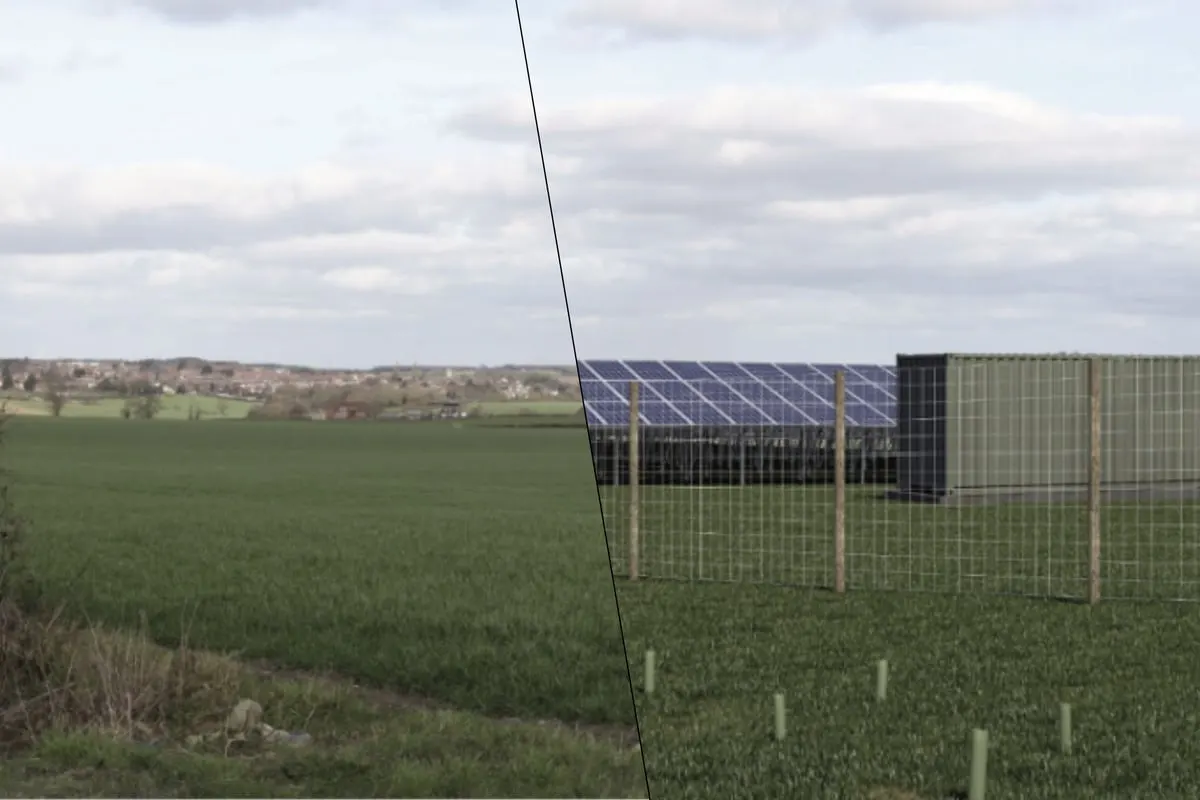
A community meeting has been arranged to discuss proposals for the Whitestone Solar Farm, a large solar and battery-storage development planned across land between Rotherham and Doncaster. The meeting offers residents an opportunity to ask questions and share views on a scheme that could have significant effects on nearby communities, landscape and land use.
The proposal could generate up to 750MW of electricity, reportedly enough for around 250,000 homes, and covers a wide area across South Yorkshire. Because of its scale it is classed as nationally significant infrastructure, meaning any final approval would be decided nationally rather than solely by local councils.
In short
- Residents can discuss the proposed Whitestone Solar Farm at a community meeting.
- The scheme would span parts of Rotherham and Doncaster.
- It could generate up to 750MW of electricity.
Steelman: both sides, in good faith
The strongest fair case each way — we don't pick a winner.
The case for
The renewable energy transition is both urgent and essential for meeting UK climate commitments and energy security needs. A 750MW solar farm with battery storage contributes substantially to decarbonisation by powering approximately 250,000 homes whilst reducing fossil fuel dependency. Proponents argue that national infrastructure classification appropriately reflects the genuine public interest in large-scale clean energy projects, and that whilst landscape and land-use concerns deserve serious consideration, they must be weighed proportionally against the climate imperative that makes such developments essential.
The case against
Whilst supporting renewable energy transition, critics raise substantive concerns about converting large areas of productive countryside to industrial-scale solar infrastructure, which would concentrate significant visual, environmental and community impacts in one location. They argue that alternatives warrant serious exploration—including distributed solar, community schemes, or different sites—and that responsible development requires meaningful local input rather than infrastructure decisions primarily driven by national energy targets that may override local environmental stewardship and community autonomy.
Explained simply
Rotherham and Doncaster sit close together in South Yorkshire, and the land between them is now the site of a proposed large-scale solar farm called Whitestone. Solar farms use large arrays of panels to convert sunlight into electricity, and this project would also include battery storage, allowing power to be saved and released when needed. The scheme is one of a growing number of big renewable energy projects being put forward across the UK as the country looks to increase its supply of low-carbon electricity.
Because Whitestone would be so large, capable of producing up to 750 megawatts, said to be enough to power around 250,000 homes, it falls into a special planning category for schemes considered nationally significant. This means the final decision on whether it goes ahead won't rest with Rotherham or Doncaster councils alone, but will instead be made through a national planning process. Local views can still be submitted and considered, which is part of why meetings like this are being held.
Projects of this kind often raise questions locally about how the countryside is used, the effect on views and farmland, and how nearby residents might be affected during construction and once the site is operating. Community meetings give people a chance to hear directly from those behind the scheme, ask questions and raise concerns before any formal decisions are made.