World news and discussion on TalkFuse.
Companies are spending Trump’s tariff refunds on bonuses – not reimbursing shoppers: report
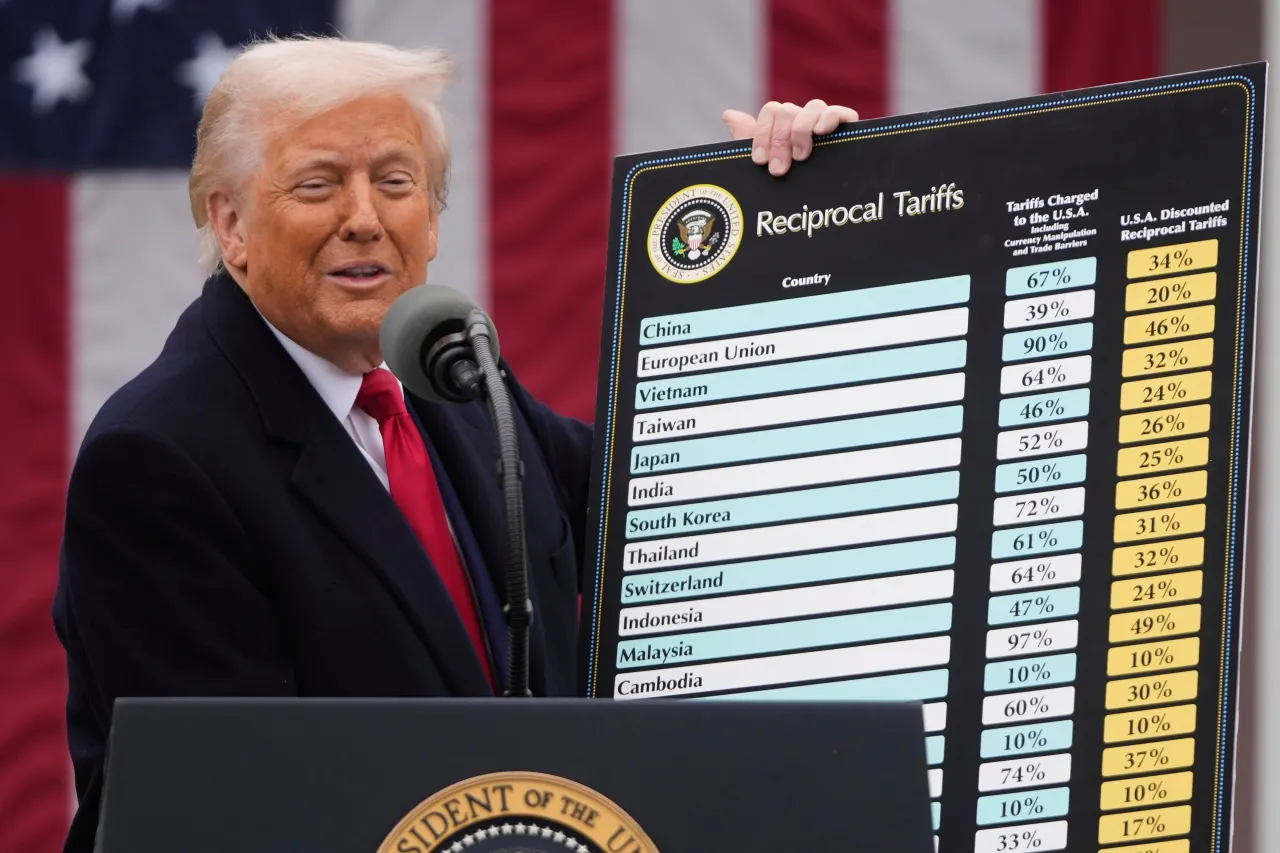
At least nine major US companies are directing refunds for President Donald Trump’s tariffs towards employee bonuses rather than reimbursing shoppers or reducing prices, according to an analysis by ProPublica. The issue matters because consumers paid higher prices during the tariffs, while companies are now receiving government refunds for duties that the Supreme Court overturned.
Stanley Black & Decker plans to use at least $298 million in refunds for bonuses, while TJX has received $331 million and Costco $184 million. Acushnet disclosed about $12 million in incentive compensation expense linked to its refund. The Tax Foundation estimated tariffs added about $1,000 to the average US household’s costs last year; estimates of the share borne by consumers range from 26% to 43%. Some shoppers have filed lawsuits seeking refunds, as the government has not set out how consumers should be repaid.
In short
- At least nine companies plan to use tariff refunds for bonuses.
- Consumers faced higher prices while the tariffs were in force.
- Some shoppers are suing companies for refunds.
Steelman: both sides, in good faith
The strongest fair case each way — we don't pick a winner.
The case for
Companies can argue that tariff refunds are owed to the businesses that paid the duties, while there is no established system for tracing which shoppers bore the costs or repaying them. Bonuses may reward employees whose work helped the company manage disruption, and firms may also say that lowering prices now would be difficult to target fairly or distinguish from ordinary pricing decisions.
The case against
Shoppers can argue that they absorbed a substantial share of the tariffs through higher prices, so directing the resulting refunds to bonuses leaves those who paid without redress. Even if individual repayments are hard to calculate, companies could consider broad price reductions or other customer relief, particularly when the refunds reverse costs passed on to the public.
Explained simply
Tariffs are taxes on goods brought into the United States from abroad. Importing companies pay them to the government, but some of the cost can be passed on through higher prices for shoppers; estimates of how much consumers paid vary.
Donald Trump’s administration imposed the tariffs, and companies including Stanley Black & Decker, TJX and Costco paid duties on imported goods. The Supreme Court later overturned the tariffs at issue, leading the government to refund some of the money to companies.
The refunds raise questions about who should benefit from money collected through prices paid by consumers. Companies, shoppers and the government are involved, but there is no set process for repaying shoppers.