Congress Begins Drafting 20% Federal Film Incentive With Trump’s Blessing (EXCLUSIVE)
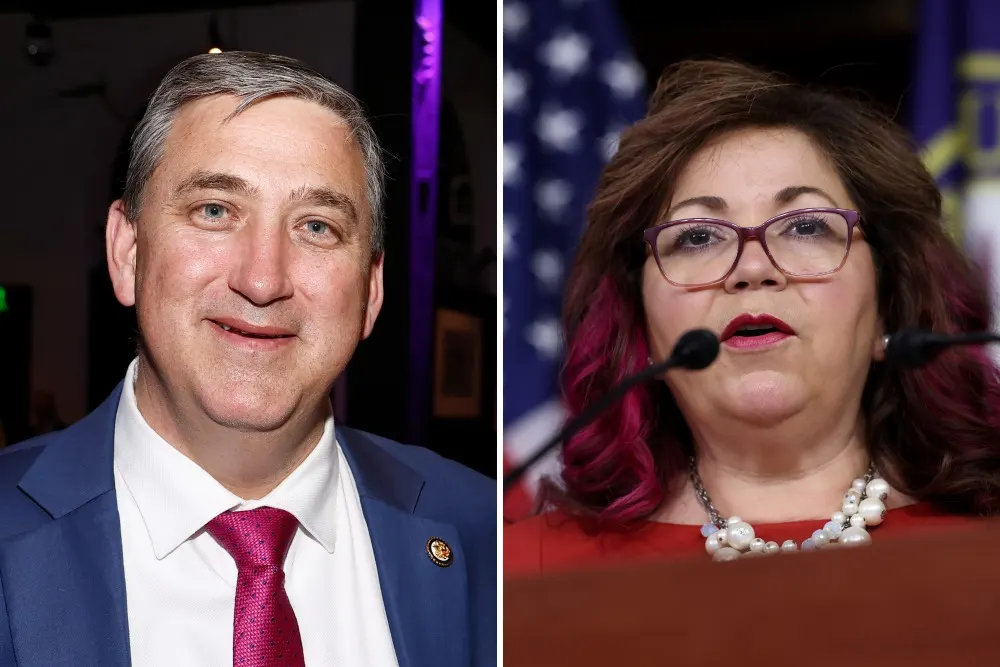
Members of Congress have begun drafting bipartisan legislation to create a 20% federal tax incentive for film and television production, following President Trump's endorsement of the idea in a Truth Social post on 31 August. The move is significant because it would mark the first federal-level response to the entertainment industry's long-running campaign against generous overseas subsidies from countries such as the UK, Canada and Australia, which have drawn productions away from the US, and Trump's backing is expected to unlock Republican support that had previously been lacking.
The bill, being worked on by Republicans Nathaniel Moran and Brian Jack alongside Democrats Linda Sanchez and Laura Friedman, would offer a base 20% credit on all labour costs, with up to two "uplift" bonuses of five percentage points each pushing the maximum to 30%, potentially yielding a combined federal-state subsidy of 60% or more. It would cover films, scripted TV, reality shows and animation, but not news or sports, and could be used against federal tax liability or sold to another taxpayer, though it would not be refundable. The legislation, expected to be introduced within weeks, has yet to be costed by the Joint Committee on Taxation but is likely to run into billions of dollars; supporters hope it could pass during the post-election lame duck session, though next year is seen as more likely.
In short
- Congress drafting 20% federal film/TV tax credit after Trump's backing
- Bonuses could raise the credit to 30%, stacking with state incentives
- Bill expected soon but cost and passage timing remain uncertain
Steelman: both sides, in good faith
The strongest fair case each way — we don't pick a winner.
The case for
A federal incentive could help keep film and television work, skilled jobs and related spending in the US as other countries use subsidies to attract productions. Supporters can argue that a targeted credit would make American locations more competitive, sustain domestic production capacity and give Congress a bipartisan way to respond to an industry-wide challenge.
The case against
A large tax credit could cost taxpayers billions while adding to subsidies already offered by states, without clear evidence that the resulting productions and jobs would justify the public expense. Critics can argue that federal support risks rewarding projects that might have been made in the US anyway, and that public funds could be better spent on other priorities.
Explained simply
Film and television productions can receive tax incentives from the governments where they are made. Several countries, including the UK, Canada and Australia, offer generous support to attract productions, while US states also provide incentives; until now, there has been no comparable federal scheme in the United States.
A federal tax credit would be set by Congress and apply across the country. The proposal is being developed by Republican lawmakers Nathaniel Moran and Brian Jack, and Democratic lawmakers Linda Sanchez and Laura Friedman, with President Donald Trump having endorsed the idea.
The proposed credit would reduce eligible production costs through a tax break, with added bonuses potentially increasing its value. Its cost to the federal government and how it would combine with state incentives are important questions, as is whether Congress will approve it.
Entertainment Film Government Politics TV