Culture news and discussion on TalkFuse.
Congress debates childhood by budget lines. Children don’t live that way.
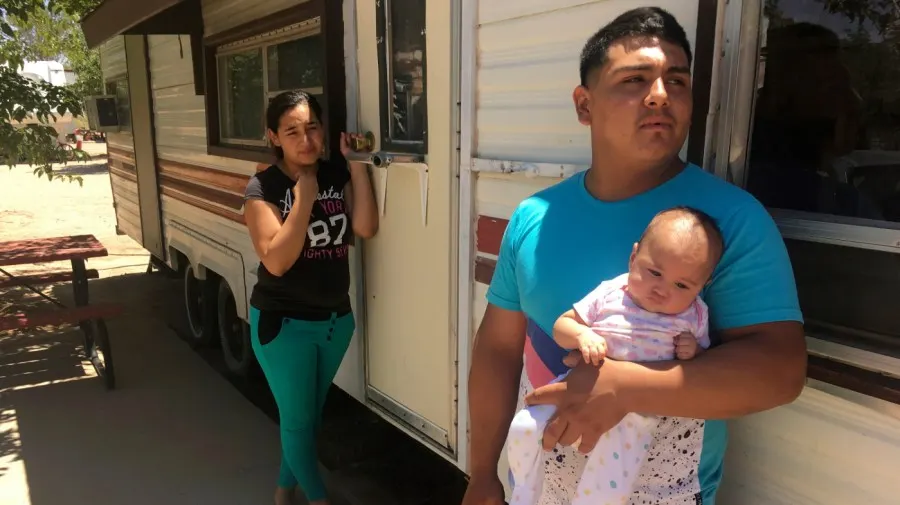
The article text was unavailable, so a precise summary cannot be given. Based on its title, it argues that Congress’s budget debates treat children’s needs as separate spending categories rather than as interconnected parts of childhood.
The apparent central concern is that decisions on areas such as healthcare, education, housing and family support are made in isolation, despite their combined effect on children’s wellbeing. The article likely calls for budgeting that reflects children’s lived experience rather than departmental boundaries.
In short
- Article text was unavailable for verification
- It criticises fragmented budgeting for children
- Children’s needs span multiple policy areas
Steelman: both sides, in good faith
The strongest fair case each way — we don't pick a winner.
The case for
Children's development is inherently interconnected—nutrition, healthcare, education, housing, and family support all influence one another—yet Congressional budgeting treats these as separate departmental concerns. This siloed approach creates gaps where departments fail to coordinate, leaving vulnerable children without integrated support that evidence shows they need. A budget structure reflecting children's lived experience rather than institutional divisions would enable more effective spending and better outcomes.
The case against
Congress's departmental structure, whilst imperfect, provides essential specialisation and democratic accountability. Different departments possess distinct expertise—Education for schools, HHS for health, Housing for housing—and budgetary clarity allows voters and Congress to track how money is spent. Merging these budgets into an undifferentiated whole could obscure responsibility and dilute expertise. Meaningful coordination between existing departments at implementation level is achievable without dismantling institutional structures that provide crucial checks and oversight.
Explained simply
In the United States, Congress approves federal spending and debates how public money should be divided among government programmes. Children’s lives are affected by decisions across areas such as healthcare, education, housing and support for families.
These services are often managed and funded separately, even though a change in one area can affect children’s needs in another. How budgets are organised can therefore shape which support is available to children and their families.
Culture Food Government Politics