Politics news and discussion on TalkFuse.
Congress must fund defense NOW — or see security holes gape wide
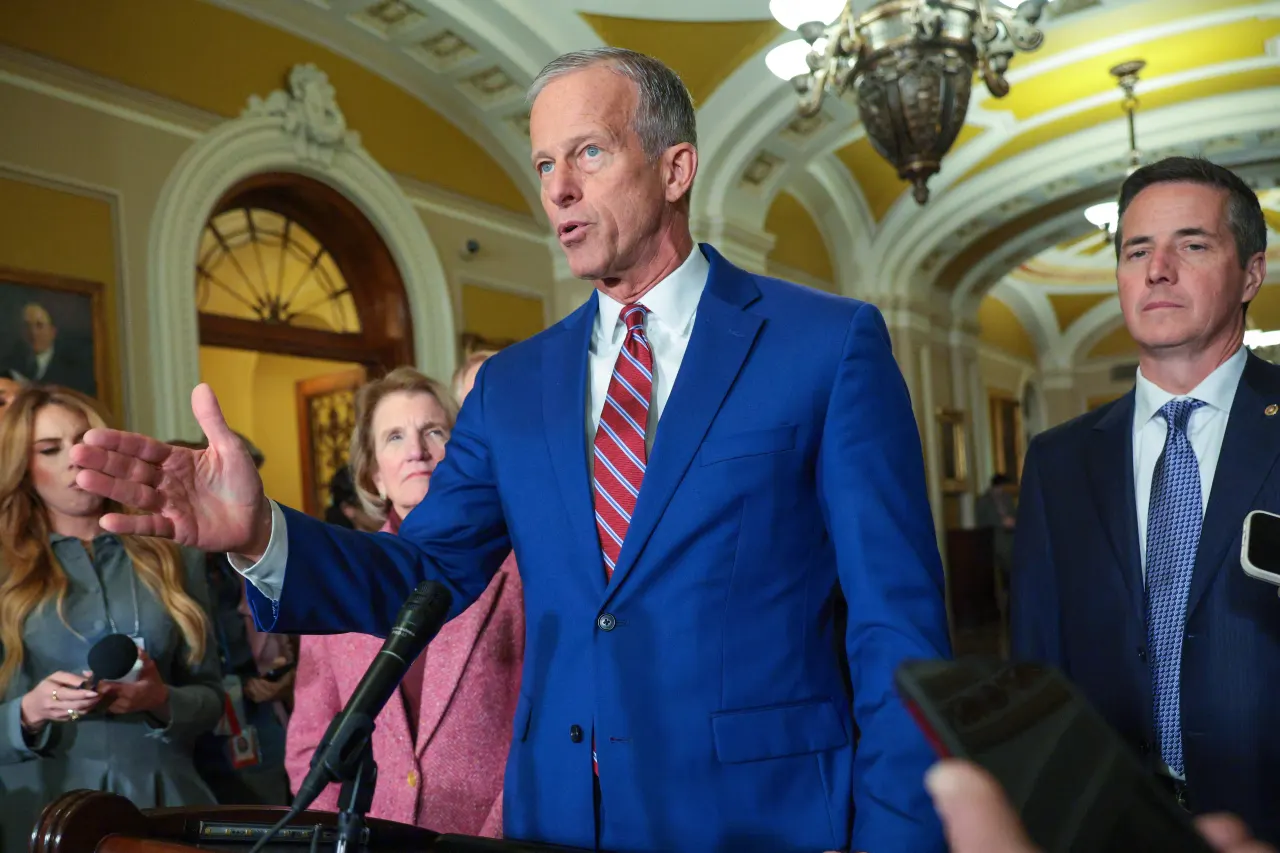
The opinion piece argues that Republicans should pass as much defence funding as possible during Congress’s lame-duck session, before Democrats take control on 3 January. It says delays could leave the United States less able to deter threats, defend its interests abroad and support allies.
President Trump has proposed a $1.5 trillion Pentagon budget, which the House has approved; the article says at least $350 billion for weapons could pass through budget reconciliation with Republican votes alone. It cites shortages in naval power, ammunition and interceptors, and calls for investment in drones, counter-drone systems, missile defence and power projection. The piece argues these gaps could be addressed within months if funding is settled now, but might persist through 2027 if Congress waits.
In short
- The article urges Republicans to pass defence funding before Democrats take control.
- It says at least $350 billion for weapons could pass through reconciliation.
- It warns that delays could prolong military supply shortages into 2027.
Steelman: both sides, in good faith
The strongest fair case each way — we don't pick a winner.
The case for
Supporters of immediate funding argue that shortages in ships, ammunition and missile interceptors can weaken deterrence and leave US forces and allies less able to respond to crises. Passing money now, they say, would let the Pentagon begin addressing urgent gaps sooner, while reconciliation could provide a route to fund weapons with Republican votes alone.
The case against
Those urging delay can argue that a large, rushed funding package deserves careful scrutiny over its costs, priorities and effect on the deficit, and that Congress should not treat a change in party control as a reason to bypass deliberation. They may also question whether the proposed sums and rapid timeline will reliably deliver the capabilities claimed, favouring a considered budget tied to clear strategic needs and oversight.