Entertainment news and discussion on TalkFuse.
Consider this blackened plug your weekly reminder to check your RTX 50-series GPU cables
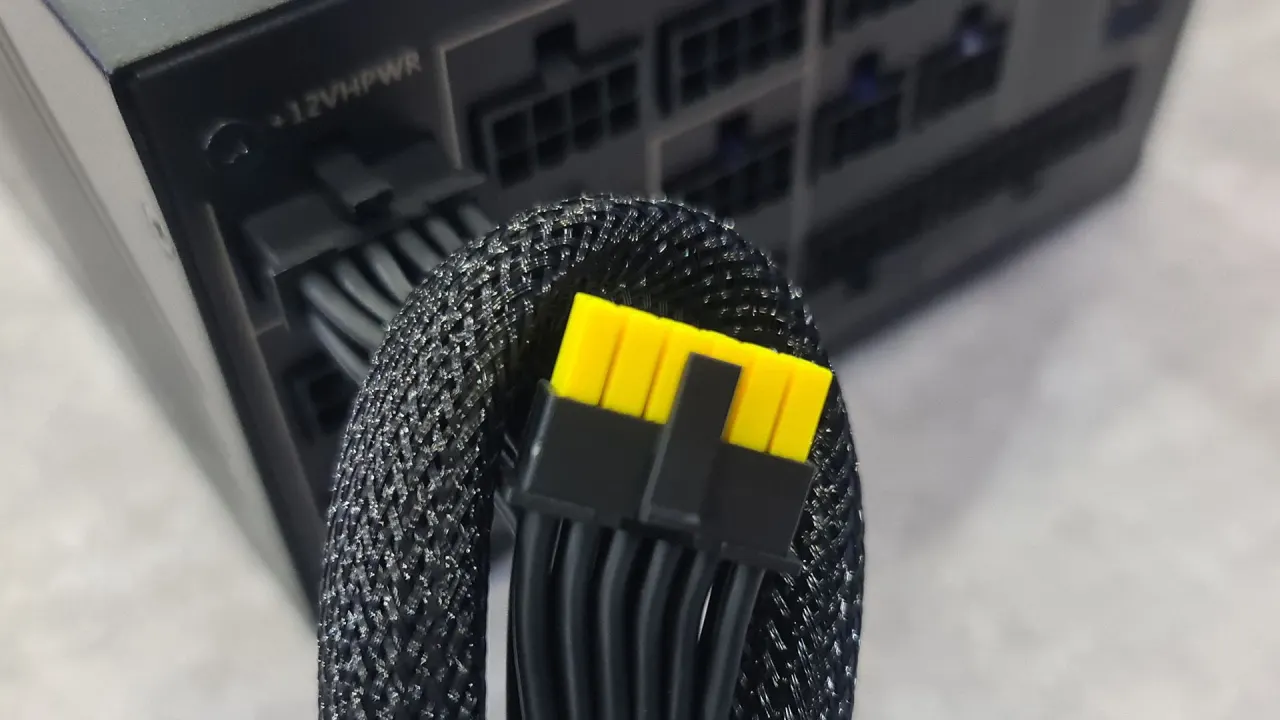
A reported RTX 5090 owner found the power cable blackened at the power supply end after a monitoring device repeatedly flagged unusual current on one pin. The case highlights continued reports of melting 12+4-pin cables and the potential value of checking connections on costly high-end graphics cards.
The owner bought the card in June and replaced the WireView Pro II monitor after its readings were dismissed as a possible fault; the replacement showed the same issue on pin four. After changing the cable and using the GPU’s other power port, they said the problem had not recurred. The article lists monitoring options costing $50 to $190, against an estimated $8,000 replacement cost for an RTX 5090.
In short
- An RTX 5090 owner found a blackened power cable.
- A replacement monitor also flagged unusual current on pin four.
- Monitoring devices cost less than a potential card replacement.
Steelman: both sides, in good faith
The strongest fair case each way — we don't pick a winner.
The case for
Regularly checking high-power GPU cables, and using a monitor where appropriate, may help owners spot abnormal current or heat before damage worsens. Given the price of a flagship card and reports of melted connectors, some owners may consider a modest monitoring cost worthwhile for added warning and peace of mind.
The case against
Monitoring devices can produce readings that are difficult to interpret or may reflect a faulty instrument, as the owner’s first device was suspected of doing. Their cost and added complexity may not suit every user, and the reported case does not establish how common these failures are or whether monitoring reliably prevents damage; careful installation and inspection may be sufficient for many owners.
Explained simply
The RTX 5090 is a high-end graphics card made by Nvidia, used in powerful gaming and professional computers. It draws substantial electricity through a 12+4-pin connector that links the card to the computer’s power supply. If the connection carries power unevenly or becomes damaged, the plug or cable can overheat.
Nvidia and the companies that make graphics cards and power supplies are involved in designing and supplying these components. Reports of melting connectors have led some owners to use monitoring devices that track the current flowing through individual pins, though a reading may itself be faulty. The issue matters because a damaged connector can affect expensive equipment, and the RTX 5090 is costly to replace.