Controversial economist Harry Dent urges Australians to sell their homes and shares as he warns an ‘everything bubble’ is about to burst
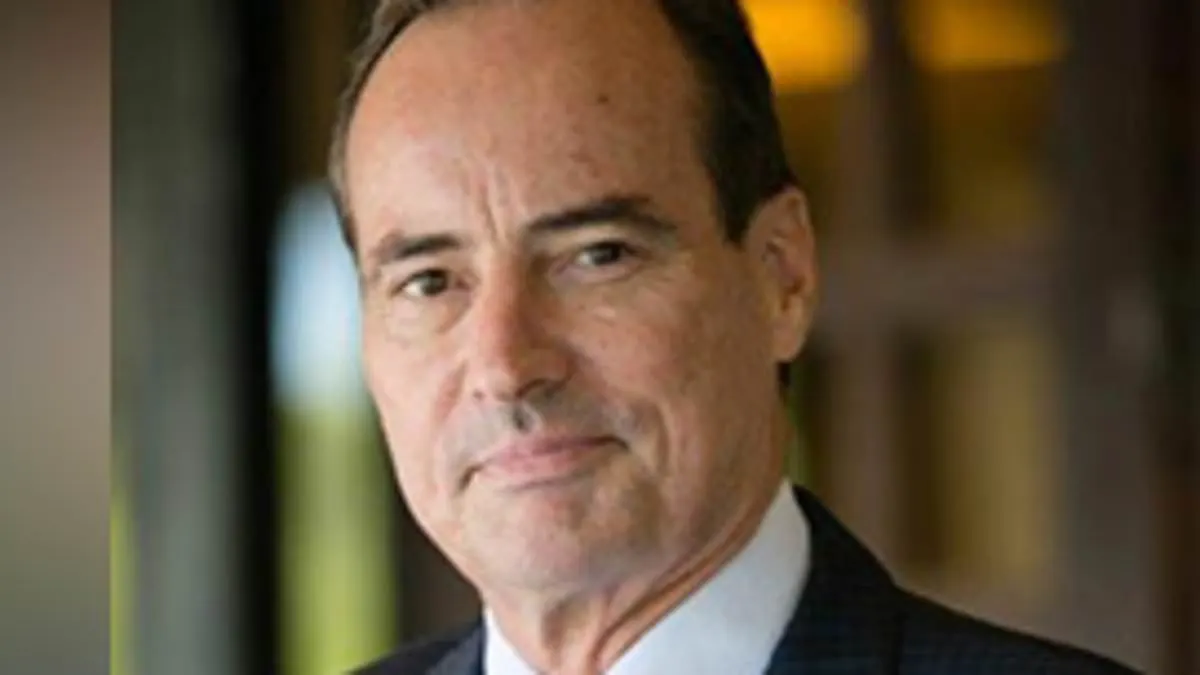
Economist Harry Dent has urged Australians to sell property, shares and other assets, predicting a global market crash that could sharply reduce the value of homes and investments. He says Australia’s large housing bubble makes it especially exposed, though he believes it could later become an attractive place to invest.
Dent forecasts Australian property prices could fall at least 20 per cent and shares by 50 to 60 per cent, while warning that gold, silver and AI stocks are also vulnerable. He cites China’s property slump and says 22 per cent of Chinese homes are empty; sceptics point to his history of inaccurate predictions. Australian property was reported to be 5.2 per cent below its March 2026 peak, and about 12 per cent of the average superannuation portfolio is invested in AI-related companies.
- Dent predicts steep falls in Australian homes and shares.
- He says gold, silver and AI stocks are also exposed.
- His forecasts remain contentious because past warnings often failed.
New here? Start with this
Harry Dent is an American economist who regularly makes predictions about financial markets. He is currently warning that global financial markets are experiencing an "everything bubble" – a situation where property, shares, gold and technology stocks are all simultaneously overpriced. If this bubble bursts, he predicts, the value of these assets could fall sharply around the world.
Australia is particularly at risk in Dent's view because the housing market has inflated substantially and is vulnerable to collapse. He forecasts that Australian property values could fall by at least 20 per cent and share prices by 50 to 60 per cent. He also points to China's property market difficulties, including what he claims are 22 per cent vacant homes, as evidence the global housing bubble cannot be sustained.
Dent's warnings have gained public attention, though his track record of previous predictions is disputed. Critics point to his history of inaccurate forecasts, whilst others observe that genuine pressures exist in property and stock markets. For Australian households, his warnings are notable because they concern assets central to family wealth – home values and superannuation funds, which hold substantial investments in technology companies.
Both sides, in good faith
The strongest fair case each way — we don't pick a winner.
The case for
Dent's argument rests on identifiable imbalances across multiple asset classes—stretched valuations in property and equities, elevated debt levels, and genuine problems in major economies such as China's property sector. His recommendation to reduce exposure before a correction represents prudent risk management, prioritising capital preservation over the returns achievable through remaining fully invested and exposed to such risks.
The case against
Given Dent's track record of failed or poorly timed predictions, his current warnings warrant considerable scepticism. Even if certain assets are overvalued, markets reflect the forward-looking judgement of many participants, and evidence suggests most investors fare better remaining invested according to their long-term strategy rather than attempting to time market exits based on an individual forecaster.