Science news and discussion on TalkFuse.
COP31 concludes without a unified climate deal amid funding and fossil fuel divisions
Developed over time first seen 1 day ago
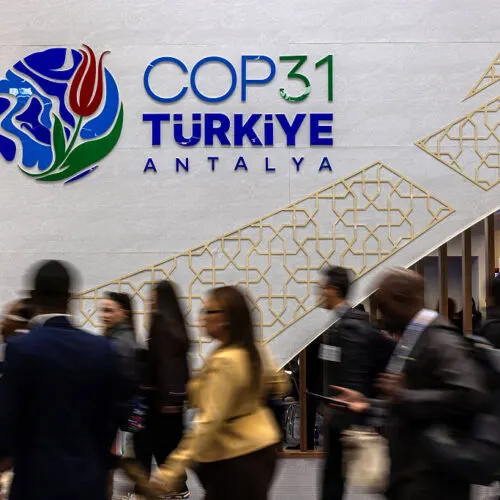
COP31 ended in Antalya without an overarching agreement for the first time since 2009, as countries remained divided over fossil fuels and climate finance. The outcome was widely seen as a serious setback to international cooperation, though countries did adopt some separate measures.
The talks ran two days beyond schedule. Delegates agreed on a programme to help workers and communities transition away from fossil fuels and a plan to assess progress on climate adaptation, but the proposed final statement drew objections from the EU, Pacific Island states and several Latin American countries. Disputes included whether to mention fossil fuels and carbon capture, and how much funding developed countries should provide to help developing nations cope with climate impacts.
- Sources
- 3
- Outlets
- 3
- Left · Centre · Right
- 0 · 1 · 1
In short
- COP31 ended without a consensus statement for the first time since 2009.
- Countries adopted separate plans on transition support and adaptation.
- Disputes over fossil fuels and climate finance blocked a wider deal.
How this story developed
- 13 hours ago The final statement remained blocked by disagreements over references to fossil fuels and carbon capture and the level of climate finance from developed countries.
- 19 hours ago The outcome was described as a serious setback for international climate cooperation, despite the separate measures agreed at the talks.
- 20 hours ago The European Union formally objected to the proposed statement, joining Pacific Island and Latin American countries that opposed it.
- 23 hours ago COP31 in Antalya ended without consensus for the first time since 2009, as disputes over fossil fuels and climate finance overshadowed agreements on workers’ transition support and adaptation assessment.
Where outlets differ
Centre outlets 1
Only here: collapse, talks, fossil, fuels, making
Right-leaning outlets 1
Only here: richard, tice, demands, longest, summit
Every side used: climate
Headline columns compared word for word; nothing in them is AI-written.
Steelman: both sides, in good faith
The strongest fair case each way — we don't pick a winner.
The case for
A consensus outcome matters because countries need shared commitments to coordinate emissions cuts, climate finance and support for communities facing climate impacts. Leaving fossil fuels and finance unresolved weakens confidence in that cooperation, while narrower measures on workers and adaptation cannot replace an agreed direction.
The case against
A final text that does not command broad support may be less useful than practical agreements countries can implement, and the talks did secure steps on worker transitions and adaptation assessment. Governments also face legitimate disputes over the wording, role of carbon capture and fair allocation of climate finance, so refusing a cover decision they consider inadequate can be defended as protecting the credibility of future commitments.
Explained simply
The UN climate conference, known as COP, brings countries together to discuss how to limit climate change and prepare for its effects. Decisions are usually made by agreement among the countries taking part, so disagreements can prevent a shared final statement.
Countries differ over how quickly to move away from fossil fuels, which release greenhouse gases when burned, and how to pay for climate action. Wealthier countries have contributed most to past emissions, while many poorer countries face greater difficulty funding changes and adapting to impacts such as heat, floods and rising seas.
Coverage · 3 sources
Bias meters
From 2 rated sources, 1 unrated.
Read the full article at the source →
Originally published by Ars Technica as “COP31 ends in failure as countries split over fossil fuels, climate finance”.