Science news and discussion on TalkFuse.
COP31: European countries, increasingly isolated, navigate difficult climate negotiations
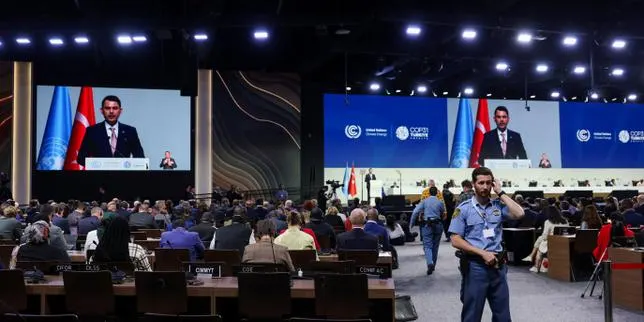
At COP31 in Antalya, the European Union is trying to shape difficult climate negotiations while facing growing diplomatic isolation. The United States’ withdrawal from the Paris Agreement has left the EU with fewer allies among developed countries, while developing nations have their own shared priorities; this makes it harder for Europe to secure support for its climate agenda.
The EU says it has cut greenhouse gas emissions by 39% since 1990 and aims for a 90% reduction by 2040, and provided €32.3 billion in public climate finance in 2025. Yet vulnerable countries want clearer, more accessible funding, and France has ruled out new commitments while facing questions over previous pledges. European leaders’ absences from the summit, alongside domestic delays and budget pressures, have also raised doubts about their commitment.
In short
- The EU faces a tougher diplomatic position at COP31.
- Funding for vulnerable countries is a central point of tension.
- European climate pledges face scrutiny over delivery and political commitment.
Steelman: both sides, in good faith
The strongest fair case each way — we don't pick a winner.
The case for
The EU can argue that ambitious emissions targets and substantial climate finance show it is taking responsibility, even as it faces domestic budget pressures and a less supportive international landscape. Staying engaged in negotiations may help preserve cooperation and turn broad climate goals into workable agreements, while clearer funding arrangements can be developed through discussion.
The case against
Vulnerable countries can argue that headline targets and aggregate finance do not meet their needs if funding is hard to access or past pledges remain uncertain. European leaders’ absences, delayed domestic measures and France’s reluctance to make new commitments may weaken trust and leave those most exposed to climate harm carrying too much of the burden.
Explained simply
The United Nations climate conference, known as COP, brings countries together to negotiate how to limit climate change and support places affected by it. The European Union takes part as a bloc, while its member countries also have their own governments and budgets.
Countries disagree over how quickly to cut emissions and who should pay for climate action. Wealthier countries have contributed a large share of greenhouse gas emissions over time, while many lower-income countries face serious climate risks and seek funding to prepare for them.
The EU has set targets to reduce its emissions and provides climate finance to developing countries. Its influence depends in part on whether other countries see its targets and funding as credible, and whether it can build agreement across groups with different priorities.
Climate Europe Geopolitics Government Politics Science World