Science news and discussion on TalkFuse.
COP31 host urges countries to turn climate pledges into visible action
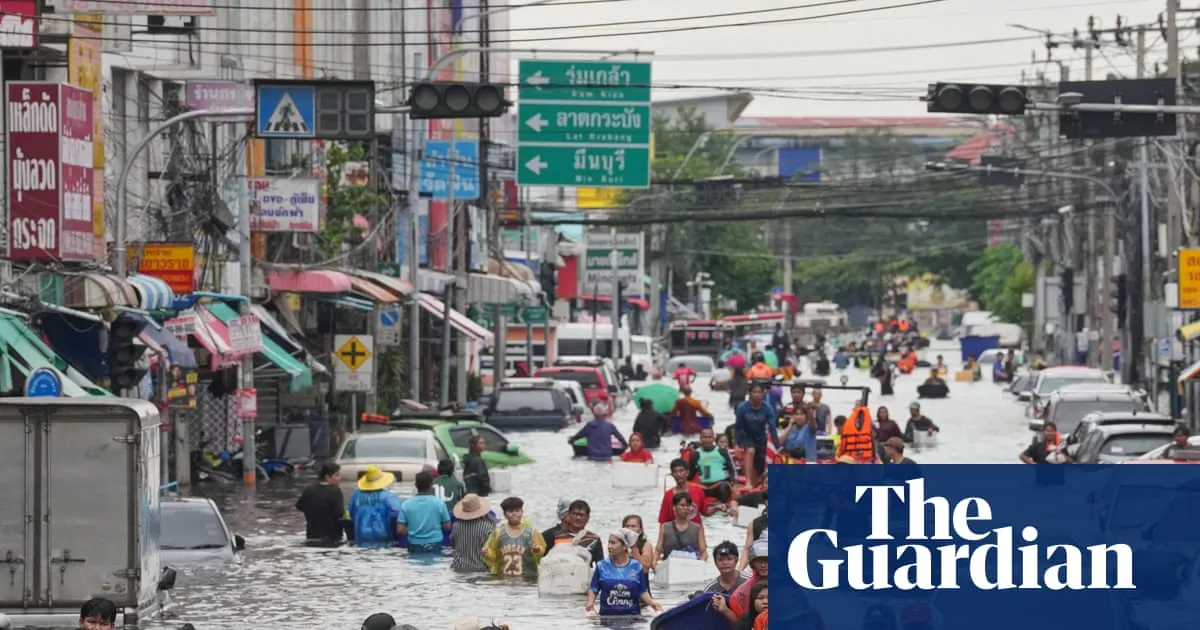
COP31 host Chris Bowen has urged countries to turn climate pledges into visible progress, saying the summit must deliver a real step forward on emissions cuts and climate finance. Talks begin in Turkey on Monday amid record temperatures, severe climate impacts and disputes over who should pay for them.
Representatives from nearly 190 countries will meet in Antalya, with Australia presiding over negotiations under an unusual dual-host arrangement. The chair of a group of 44 least-developed countries called for predictable finance, stronger adaptation and support for loss and damage, while Bowen said just 0.2% of available climate finance goes to small island states for adaptation. The US will again send no delegation, although 20 Democratic members of Congress are attending.
In short
- COP31 begins in Turkey with nearly 190 countries taking part.
- Australia’s Chris Bowen wants pledges translated into visible progress.
- Small island states receive 0.2% of available climate finance for adaptation.
Steelman: both sides, in good faith
The strongest fair case each way — we don't pick a winner.
The case for
Countries should turn pledges into measurable emissions cuts and reliable climate finance because worsening climate impacts are already harming communities, especially those with the fewest resources to adapt. Predictable support for adaptation and loss and damage can help vulnerable countries manage unavoidable harms, while visible progress would build trust in international climate cooperation.
The case against
Governments may reasonably resist commitments that lack clear funding rules, fair burden-sharing or evidence that promised finance will reach its intended recipients. With public resources and economic transitions carrying real costs, they may favour nationally determined plans and gradual implementation, arguing that durable progress depends on affordability, accountability and broad domestic support.
Explained simply
The UN climate summits bring countries together to discuss how to limit global warming and deal with its effects. Governments make pledges to cut emissions, which come mainly from burning coal, oil and gas, and to provide funding for climate action.
Australia is presiding over the negotiations alongside Turkey, where the summit is being held. Countries with fewer resources, including small island states and least-developed countries, often seek financial help to prepare for climate impacts and recover from damage.
The talks matter because countries need to agree how to turn their commitments into practical measures and how to share the costs. Climate finance can support both emissions cuts and adaptation, such as protecting communities from rising seas or extreme heat.
Climate Geopolitics Politics Science World
Read the full article at the source →
Originally published by The Guardian as “Cop31 must deliver climate progress that people can see is real, host says”.