Science news and discussion on TalkFuse.
COP31: Outcry as fossil fuels removed from draft UN climate deal
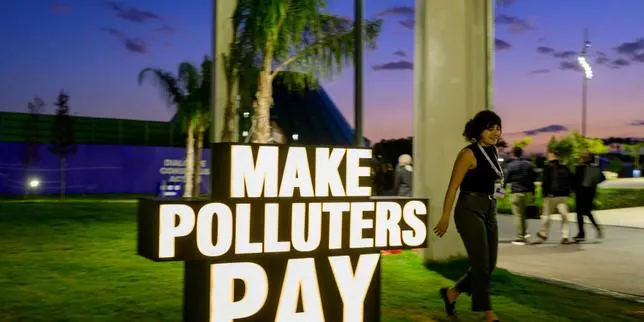
A revised draft agreement at the COP31 UN climate summit in Antalya has removed every direct reference to fossil fuels, including an earlier proposal to speed up their phase-out. The change has drawn criticism from campaigners and climate-vulnerable countries, as negotiators seek a deal amid warnings that the world is unlikely to meet the Paris Agreement’s 1.5°C warming limit.
The nine-page draft also drops proposed roadmaps for moving away from coal, oil and gas, while retaining a goal to expand electrification. The text is intended to guide future climate action, but key questions over climate finance for developing countries remain unresolved as talks approach their scheduled conclusion on Friday. The draft is still under negotiation.
In short
- COP31’s latest draft removes all direct mentions of fossil fuels.
- The earlier proposal to accelerate their phase-out has been dropped.
- Climate finance remains unresolved as negotiations near their deadline.
Steelman: both sides, in good faith
The strongest fair case each way — we don't pick a winner.
The case for
Keeping explicit fossil-fuel commitments out of the draft may make agreement more achievable among countries with sharply different economies and energy systems. Supporters could argue that retaining a shared goal of expanding electrification, while leaving the text open to negotiation, offers a practical basis for future action without imposing a phase-out timetable that some governments would reject.
The case against
Removing all direct references to fossil fuels, including proposed phase-out roadmaps, risks weakening the deal’s ability to address the main source of greenhouse-gas emissions. Critics could argue that countries most exposed to climate impacts need clear, collective commitments, and that broad goals such as electrification are inadequate without a defined shift away from coal, oil and gas.
Explained simply
The United Nations holds annual climate summits, known as COP meetings, where countries negotiate how to address climate change. The Paris Agreement, adopted in 2015, commits countries to limit global warming, with efforts aimed at keeping it to 1.5°C above pre-industrial levels.
Countries at the talks include those that produce and use coal, oil and gas, as well as countries more exposed to climate impacts. They also differ over how quickly to change energy systems and who should pay for climate action in lower-income countries. Any summit agreement is negotiated by governments and can guide future action, while leaving details for later decisions.
Climate Geopolitics Politics Science World