World news and discussion on TalkFuse.
COP31 talks face early friction over future of fossil fuels
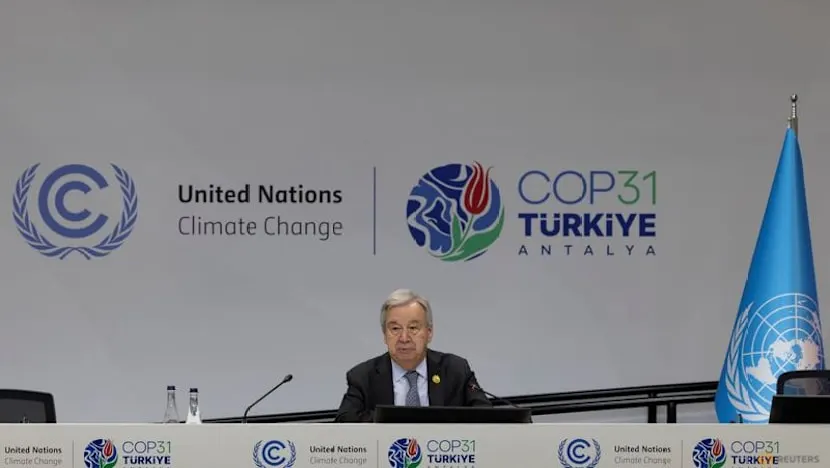
Major fossil fuel producers and consumers are resisting a COP31 agreement with firm new targets or explicit language on moving away from oil, gas and coal. The divisions challenge Türkiye and Australia, which are seeking an ambitious deal as climate impacts intensify and the world approaches a breach of the Paris Agreement’s 1.5°C warming limit.
Türkiye is promoting wider electrification to cut emissions, but its proposal does not require electricity to come from renewable sources. Some countries, including Brazil, want clearer plans for transitioning away from fossil fuels, while India and other developing economies oppose firm targets or fuel-specific commitments. Australia is gathering submissions until Saturday and aims to produce a draft political text early next week; the United States is absent for the second consecutive year.
In short
- Major producers and consumers oppose firm fossil fuel targets at COP31.
- Türkiye is backing a global electrification proposal.
- Australia aims to draft a political agreement early next week.
Steelman: both sides, in good faith
The strongest fair case each way — we don't pick a winner.
The case for
A COP31 agreement with explicit plans to move away from fossil fuels could give governments and investors clearer direction, speed the shift to cleaner energy and strengthen efforts to limit warming. Supporters may argue that electrification alone is insufficient if electricity still comes from coal, oil or gas, and that countries should build on earlier climate commitments with concrete targets.
The case against
Countries resisting fuel-specific targets may argue that energy transitions must reflect different starting points, development needs and access to affordable, reliable power. They may favour broader measures such as electrification, leaving each country flexibility over its energy mix, rather than accepting uniform commitments that could constrain growth or prove difficult to meet.
Explained simply
COP is the United Nations’ annual climate conference, where countries negotiate how to limit global warming. The Paris Agreement sets a goal of keeping warming well below 2°C and pursuing efforts to limit it to 1.5°C above pre-industrial levels.
Oil, gas and coal are called fossil fuels because burning them releases greenhouse gases that warm the planet. Countries disagree over whether climate deals should set firm targets to reduce their use, and how quickly that change should happen.
Türkiye and Australia are leading efforts to reach an ambitious agreement, while countries such as Brazil, India and other developing economies have differing views on what it should require. The outcome matters because it could shape national energy choices and efforts to curb emissions as climate impacts grow.