World news and discussion on TalkFuse.
Cornell to examine fraternities and sororities after assault allegations
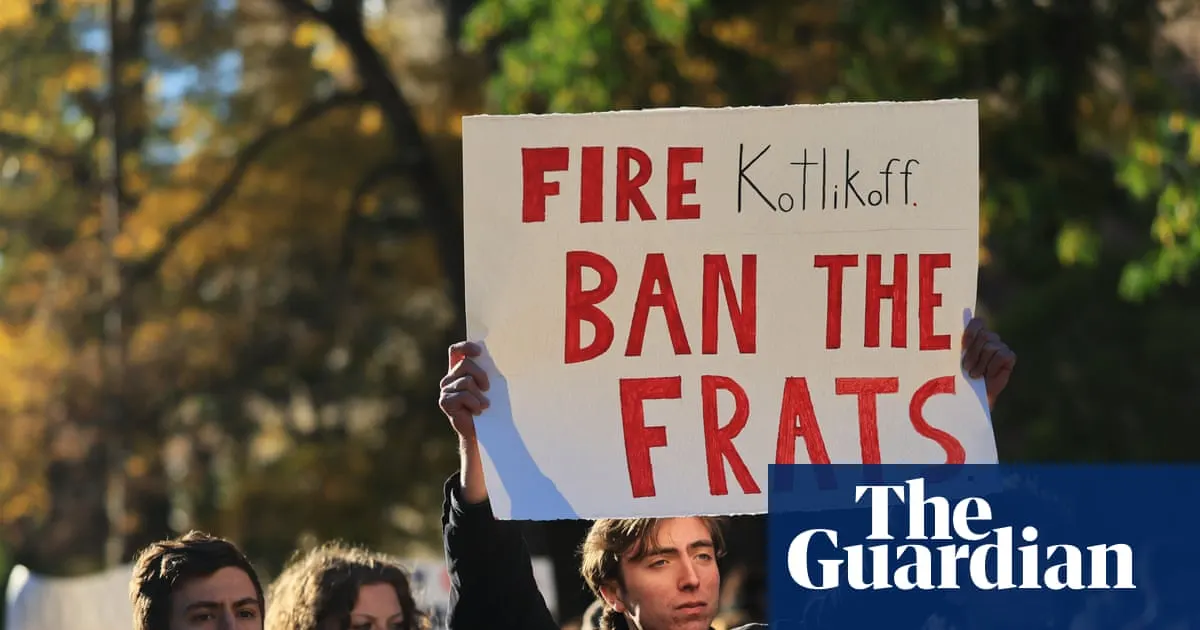
Cornell University has announced a full review of its fraternities and sororities after an alleged sexual assault at a fraternity house raised questions about student safety and the university’s response. President Michael Kotlikoff said the review would help rebuild trust and assess the future of Greek life on campus.
The review follows a civil lawsuit by a former student who said she was drugged and raped by several fraternity members in November 2024; no criminal charges were filed. Cornell banned fraternity parties for the rest of the academic year, expelled two Chi Phi members and imposed lesser sanctions on others, who deny wrongdoing. Further measures include reviewing campus alcohol and drug policies, changing prevention training and hiring a victim advocate; New York’s attorney general is also investigating.
In short
- Cornell will review the future of fraternities and sororities.
- The move follows allegations of assault at a fraternity house.
- The university is changing policies, training and victim support.
Steelman: both sides, in good faith
The strongest fair case each way — we don't pick a winner.
The case for
A full review is justified because the allegations raise serious questions about student safety and whether existing rules and university responses are adequate. Supporters may argue that examining Greek life, alongside alcohol and drug policies and prevention training, can identify risks and rebuild trust while ensuring students have access to support.
The case against
A review should also protect fairness and due process: the claims are contested, no criminal charges were filed, and those sanctioned deny wrongdoing. Critics may argue that sweeping restrictions or changes to Greek life based on unresolved allegations could unfairly penalise members and organisations, so any measures should be evidence-based and proportionate.
Explained simply
Fraternities and sororities are student organisations found at many US universities. They often have their own houses and social events, and membership can shape students’ social lives. At Cornell, a private university in New York state, these groups are commonly known as Greek life.
The allegations concern a former student’s account of an assault at a fraternity house in 2024. A civil lawsuit is a claim brought through the courts for compensation or other remedies; it is separate from a criminal prosecution, and no criminal charges were filed. People named in the case deny wrongdoing.
The university’s review could affect how Greek organisations operate and how Cornell handles student safety concerns. The issue also involves the role of university rules and state oversight, including an investigation by New York’s attorney general.
Read the full article at the source →
Originally published by The Guardian as “Cornell announces full review of Greek life after scrutiny over sexual assault case”.