World news and discussion on TalkFuse.
Cornell Faculty Senate preps for no confidence vote on president after Jane Doe’s allegations: What to know
Developed over time first seen 2 weeks ago
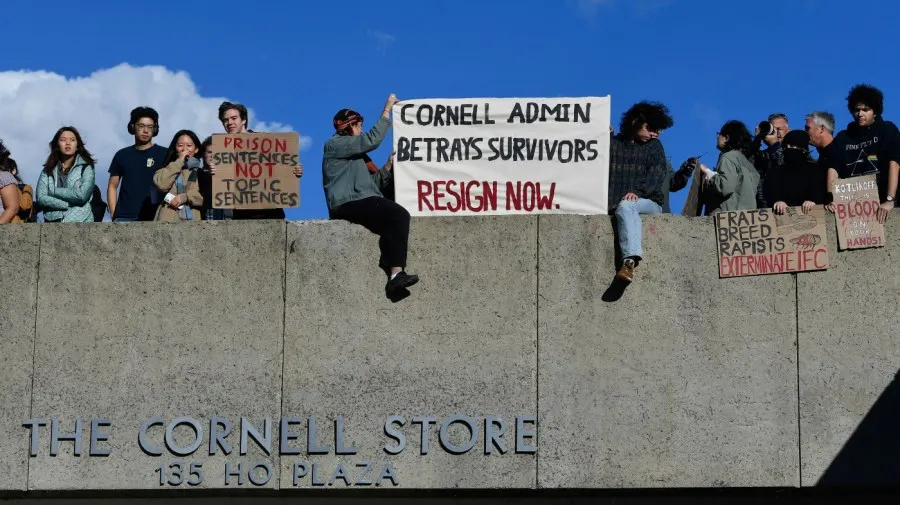
Cornell University’s Faculty Senate is voting electronically through 6 November on a resolution declaring no confidence in the central administration’s ability to address sexual assault on campus. Senators rejected a proposal to postpone the vote until an independent review is complete. The debate follows a civil lawsuit filed in September by a former student using the name Jane Doe. She alleges that seven members of the Chi Phi fraternity sexually assaulted or exploited her in October 2024 and that Cornell mishandled her complaints. The allegations remain contested; the no-confidence vote will not itself remove President Michael Kotlikoff or other university leaders.
Doe has also told senators that a second-hand account of Kotlikoff’s response to her initial report left her feeling unsupported and disbelieved. Cornell disputes that account of his remarks. The university has commissioned an independent review of its handling of the case and announced changes including a suspension of fraternity social events for the academic year, expanded support for people reporting sexual assault and a role for state police in investigating reports. Faculty members disagree over whether those steps warrant waiting for the review or whether the administration’s response already calls for a public vote.
- Sources
- 3
- Outlets
- 3
- Left · Centre · Right
- 0 · 1 · 0
In short
- Faculty senators are voting through 6 November on confidence in Cornell’s administration.
- The vote follows Jane Doe’s lawsuit alleging a 2024 sexual assault and failures in Cornell’s response.
- Cornell disputes an account of the president’s remarks and has ordered an independent review.
How this story developed
- 2 weeks ago Cornell University’s Faculty Senate is voting electronically through 6 November on a resolution declaring no confidence in the central administration’s ability to address sexual assault on campus. Senators rejected a proposal to postpone the vote until an independent review is complete.
- The Hill Cornell Faculty Senate preps for no confidence vote on president after Jane Doe’s allegations: What to know
- Cornell University Office of the Dean of Faculty Proposed resolution: Cornell Faculty Senators Vote of No Confidence
- Cornell University Updates | Addressing Sexual Violence
Steelman: both sides, in good faith
The strongest fair case each way — we don't pick a winner.
The case for
A no-confidence vote can give faculty a formal way to express whether they believe the administration has met its duty to protect students and respond properly to reports of sexual assault. Supporters may argue that the allegations and concerns about how they were handled are serious enough to require accountability now, and that a vote does not prejudge the lawsuit or remove university leaders.
The case against
Those urging delay may argue that an independent review is already under way and could establish what happened and whether the university’s response was adequate, making a vote before its findings premature. They may also point to the announced policy changes and say the Senate should assess them alongside the review before reaching a judgement on the administration’s capacity.
Explained simply
Cornell is a private university in New York state, where the Faculty Senate represents academic staff in discussions about university policy. A no-confidence resolution is a formal expression of concern; it does not remove the president or other leaders.
The dispute follows a civil lawsuit by a former student, identified as Jane Doe, who alleges that seven members of the Chi Phi fraternity sexually assaulted or exploited her in 2024 and that Cornell mishandled her complaints. The allegations are contested, and the university disputes her account of what its president said in response to her initial report.
Cornell has commissioned an independent review and announced changes to its handling of sexual assault reports, including support for those who report and a role for state police in investigations. The debate matters because it concerns how the university responds to reports of sexual violence and how its leaders are held accountable.
Coverage · 3 sources
Americas Elections Government Politics World