Cornell Jane Doe’s car was broken into the same day she was allegedly gang-raped at campus party
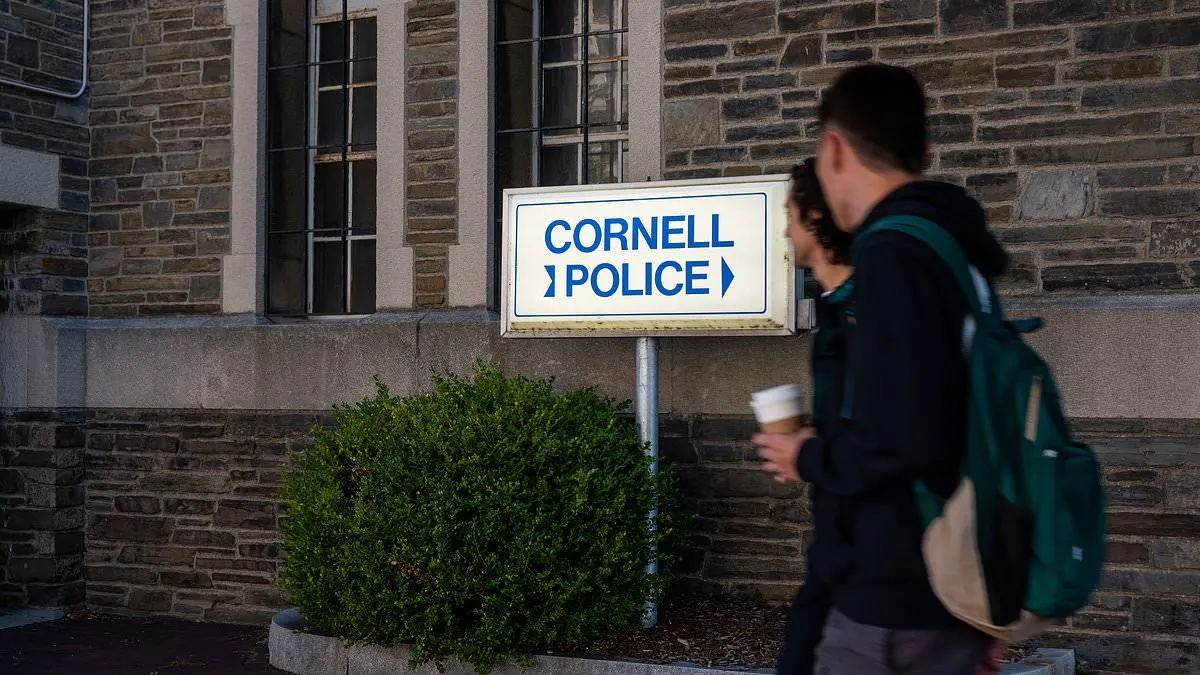
A woman has filed a civil complaint accusing seven members of Chi Phi fraternity at Cornell University of gang rape at a party on 19 October 2024. The case raises serious questions about consent, intoxication, and how sexual assault can potentially be coordinated within university fraternities.
The alleged victim reported being at approximately "five out of ten" intoxication when she arrived at the fraternity house around 10.30pm, and consumed additional alcohol and ketamine during the evening. Court documents reveal that fraternity members apparently coordinated their actions via group chat, with messages such as "Boys, come whip it out" at around 2.30am. Earlier that same day, her car had been broken into and her wallet stolen.
- Woman alleges seven fraternity members gang-raped her at Cornell party on 19 October 2024.
- Alleged victim claims she was given ketamine and was heavily intoxicated during the assault.
- Fraternity members apparently coordinated via group chat with messages like "come whip it out."
New here? Start with this
A woman at Cornell University has alleged she was gang-raped by seven members of Chi Phi, a campus fraternity, during a party on 19 October 2024. The incident raises questions about how sexual assault might occur and be coordinated within fraternities, and about the role of intoxication and drugs in such situations.
The woman arrived at the fraternity house around 10.30pm having already consumed alcohol, and continued drinking whilst also taking ketamine during the evening. Court documents include group chat messages from fraternity members around 2.30am that appear to show coordination of their actions, and separately, her car had been broken into and her wallet stolen earlier that day.
These allegations highlight broader concerns about safety within university fraternities and how institutions address sexual assault. Questions arise about what preventive measures and oversight might be necessary to prevent such incidents in fraternity environments.
Both sides, in good faith
The strongest fair case each way — we don't pick a winner.
The case for
These allegations include apparently coordinated messages from fraternity members and an account from a woman who was substantially intoxicated, raising serious questions about consent and suggesting potential predatory conduct. The coordination evident in communications indicates planning rather than isolated misconduct, demanding rigorous investigation and accountability if substantiated.
The case against
The accused are entitled to presumption of innocence and fair process to defend themselves against these allegations. Messages can be ambiguous and context-dependent; moreover, the involvement of intoxicants among multiple parties significantly complicates legal consent analysis. A thorough investigation allowing the accused to present their account is essential before conclusions can be responsibly drawn.