Lawsuit alleges Cornell fraternity members coordinated accounts after assault claim
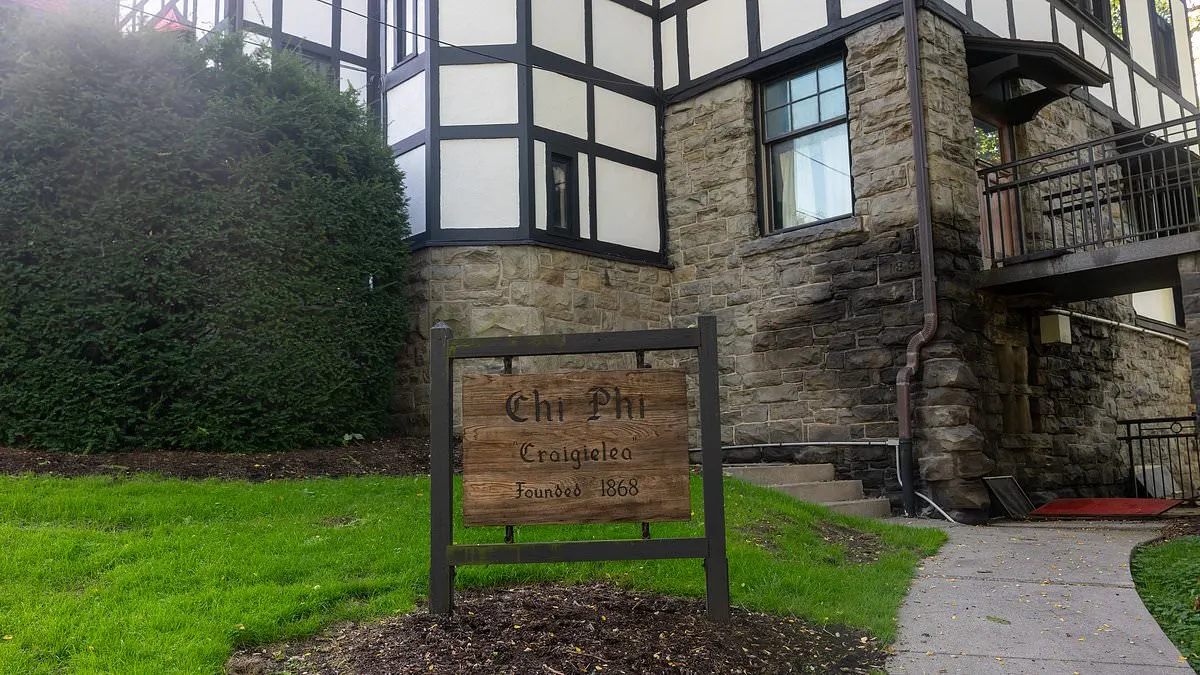
A woman is suing former members of Cornell University’s now-defunct Chi Phi fraternity, accusing them of sexually assaulting her at a party in October 2024. Her lawyer says fraternity members held meetings and exchanged messages to contain the fallout and protect the group, raising questions about whether witnesses were discouraged from coming forward.
An anonymous report to Cornell police alleged that fraternity leaders urged potential witnesses to stay silent because disclosure could damage the members’ and fraternity’s reputations. A student told investigators that members discussed getting their accounts aligned and described the incident as a “consensual orgy”; one member said it was only raised informally at a regular chapter meeting. The lawyer says 57 people received a group chat about the matter, while police interviewed at least two fraternity members.
- A woman alleges former Chi Phi members assaulted her in 2024.
- Her lawyer says fraternity meetings sought to contain the fallout.
- Cornell police interviewed at least two members.
New here? Start with this
A woman is suing several former members of Cornell University's Chi Phi fraternity, which has since closed, over an alleged sexual assault at a party in October 2024. Her lawyer says the accused men coordinated their response to the allegation, working to keep their accounts of the incident consistent.
According to the lawsuit and reports made to campus police, fraternity leaders allegedly urged potential witnesses not to disclose information to authorities, citing concerns about damaging the fraternity and the accused members' reputations. Fraternity members reportedly discussed getting their accounts aligned, characterised the incident in different ways, and the matter was raised at least once at a chapter meeting.
The case raises questions about how the accused men and the fraternity responded to the allegation beyond the sexual assault claim itself. Allegations of witness intimidation and coordinated efforts to shape accounts could carry legal consequences independent of the original misconduct claim.
Both sides, in good faith
The strongest fair case each way — we don't pick a winner.
The case for
The documented pattern of meetings and group communications to 57 members, discussion of 'getting accounts aligned,' and allegations that witnesses were discouraged from coming forward together suggest a coordinated effort to contain fallout and obstruct investigation. This systematic response following allegations of sexual assault indicates consciousness of wrongdoing and intent to silence potential witnesses rather than cooperate with authorities.
The case against
Coordinated discussion among members about their own situation is not inherently obstruction; such coordination only becomes unlawful if accompanied by actual coercion of witnesses or false statements to authorities. The evidence shows informal discussion rather than an organised campaign, and characterising routine group communication about reputation as conspiracy risks criminalising lawful expression without proving actual witness intimidation or deception of police.
Read the full article at the source →
Originally published by Daily Mail as “Cornell students accused of rape held meetings to cover up alleged frat house sex assault, Jane Doe’s lawyer says”.