Ikea launches second-hand marketplace giving customers chance to buy discounted furniture as it takes on eBay and Vinted
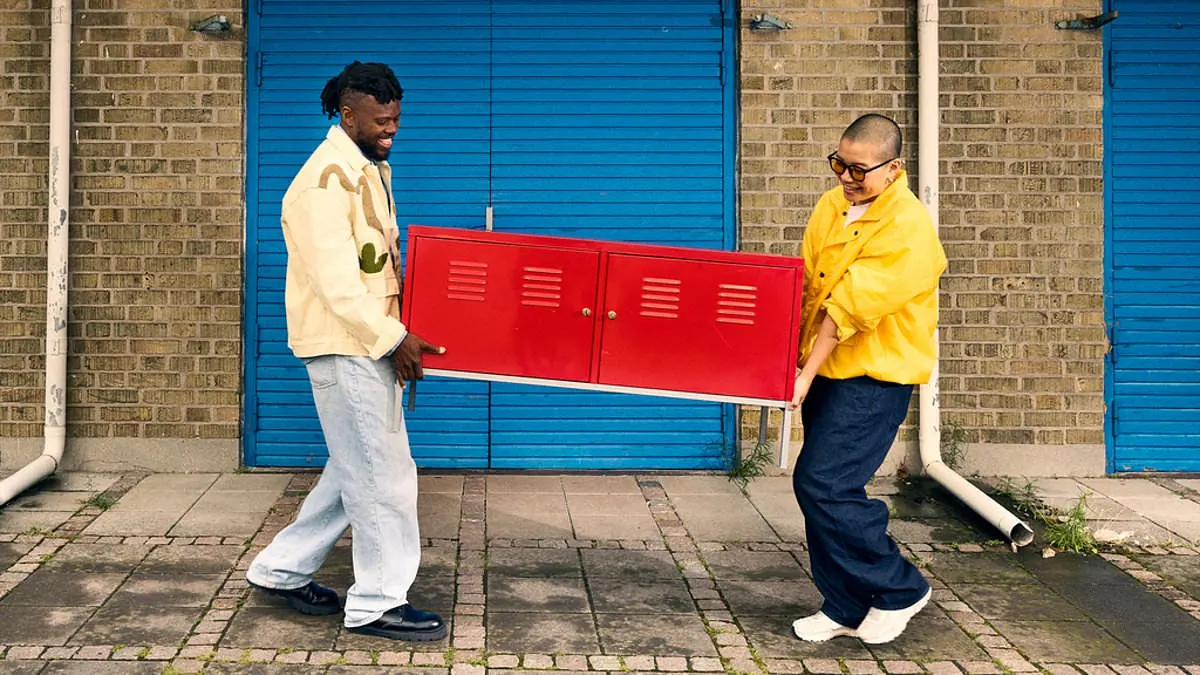
Ikea has launched a second-hand marketplace exclusively for its used furniture and homeware, offering prices up to 60 per cent lower than new items. The move positions the Swedish retailer to compete directly with platforms like eBay and Vinted, capitalising on growing consumer interest in pre-owned furniture as more people reconsider how they furnish their homes. The platform builds on Ikea's existing Buy Back scheme, introduced in 2021, which allows customers to return certain products for store credit.
The marketplace simplifies selling: Ikea Family loyalty members can list items by scanning them, with the system automatically generating recommended pricing based on original cost and condition, professional photographs, measurements and assembly instructions. Sellers receive payment as cash or an Ikea gift card with a 15 per cent bonus; spare parts like wall restraint brackets are offered free to buyers. The Buyers Protection Fee is currently free but will eventually introduce charges, which Ikea has pledged to communicate transparently. The company plans to trial integrating Buy Back into the platform across Spain and Portugal in late December.
- Ikea launches second-hand marketplace with prices up to 60% cheaper than new.
- Sellers get cash or gift card with 15% bonus; buyers get free spare parts.
- Expansion of existing Buy Back scheme to compete with eBay and Vinted.
New here? Start with this
Ikea is a Swedish furniture and homeware company. It has launched a platform where customers can buy and sell used Ikea products to one another, positioning itself against established second-hand marketplaces like eBay and Vinted.
Demand for second-hand furniture has grown as consumers seek more affordable options and reconsider how they furnish their homes. Ikea's move capitalises on this trend, allowing the retailer to compete for these second-hand transactions rather than losing customers to rival platforms.
The marketplace extends Ikea's existing Buy Back scheme, launched in 2021, which allowed customers to return items for store credit. The new platform aims to make selling used Ikea products simpler and more accessible for ordinary customers.
Both sides, in good faith
The strongest fair case each way — we don't pick a winner.
The case for
Ikea's second-hand marketplace represents responsible corporate practice aligned with circular economy principles. By enabling furniture reuse and offering significantly lower prices, the platform reduces manufacturing waste, extends product lifecycles, and improves affordability for price-conscious consumers. The integrated approach with the Buy Back scheme demonstrates that large corporations can align commercial interests with environmental and social responsibility, meeting changing consumer expectations around sustainability.
The case against
The marketplace, whilst appearing progressive, primarily serves to expand Ikea's market dominance rather than achieve genuine sustainability. By leveraging its enormous customer base to enter the second-hand market, Ikea can readily displace smaller independent platforms and retailers. More fundamentally, the scheme sidesteps rather than addresses core issues: it perpetuates consumption of affordable but relatively short-lived furniture, and shipping logistics add environmental costs. True sustainability would require Ikea to redesign for durability, not simply extend the resale life of items designed for limited lifespans.