Corporate America’s China addiction has become a national security threat
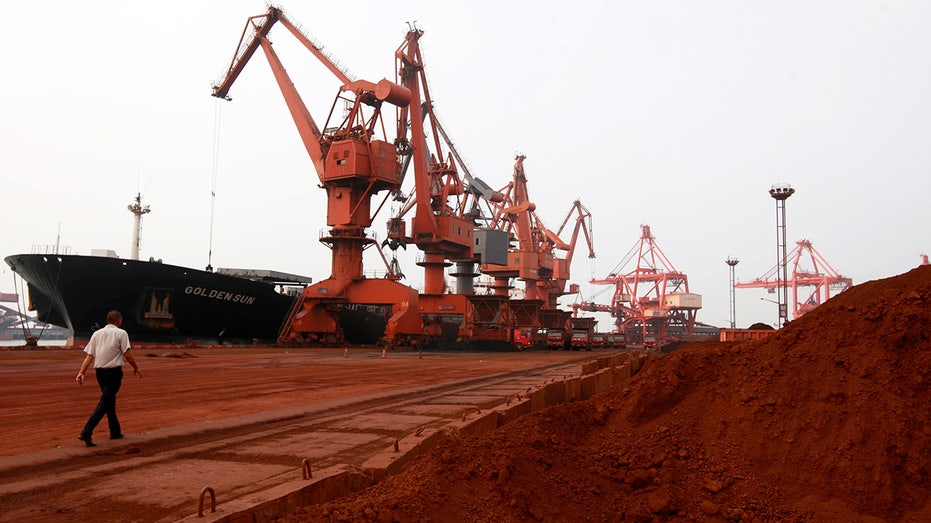
An opinion piece published by Fox News argues that corporate America's heavy reliance on Communist China for manufacturing and materials has become a serious national security vulnerability. The article highlights a recently filed petition with the Securities and Exchange Commission (SEC) that urges the regulator to require publicly traded companies to disclose to shareholders the material risks arising from deep supply chain dependence on China. The author contends that investors deserve a clear accounting of how exposed corporations have become, and that greater transparency is an important first step towards addressing the problem.
The article warns that a sudden break in US-China relations — through war, embargo or economic coercion — could cripple American defence, healthcare, technology and consumer sectors almost overnight, particularly given tensions over Taiwan. It cites figures showing China mines roughly 70% of the world's rare earth elements and processes more than 90% of them, materials essential to F-35 jets, submarines, missiles, semiconductors, electric vehicles and medical devices. It also notes that China supplies 60% to 70% or more of key active pharmaceutical ingredients and precursors for antibiotics and other drugs, with much of the remainder routed through India, which itself depends on Chinese inputs. The author argues that US firms chased low prices and, in doing so, handed Beijing valuable know-how, machinery and market share.
In short
- SEC petition seeks mandatory disclosure of corporate China supply chain risks.
- China controls most rare earth mining and processing globally.
- China supplies most key pharmaceutical ingredients, posing health-crisis risk.
Steelman: both sides, in good faith
The strongest fair case each way — we don't pick a winner.
The case for
The national security case is straightforward: a geopolitical crisis with China could paralyse American defence, healthcare and technology sectors almost overnight, given China's dominance of rare earth minerals, semiconductor supply chains and pharmaceutical ingredients. This is not theoretical scaremongering but a documented structural vulnerability, particularly given current tensions over Taiwan. Corporate pursuit of minimal short-term costs has transferred critical know-how and manufacturing capability to a strategic competitor, creating economic leverage Beijing could exploit through embargo or coercion. Greater transparency through SEC disclosure requirements allows shareholders and policymakers to weigh these material risks properly and supports necessary reorientation towards supply chain resilience.
The case against
Economic interdependence between nations actually reduces the likelihood of conflict—neither side benefits from costly war when profitable trade relations exist. Abruptly restructuring global supply chains away from China would impose substantial economic costs on American consumers and businesses through price increases and production disruption. China's role reflects genuine competitive advantages in manufacturing scale, infrastructure and expertise that cannot easily be replicated elsewhere. India and Vietnam present their own geopolitical vulnerabilities, making perfect diversification impossible. Mandatory disclosure creates regulatory burden on firms and competitive disadvantage versus foreign competitors, whilst the documented risks should be weighed against demonstrable economic benefits of integrated supply chains and the mutual deterrent value of economic interdependence itself.
Explained simply
American corporations have become heavily dependent on China for manufacturing and materials, from rare earth elements used in military equipment to active ingredients for medicines. This deep integration into Chinese supply chains creates a potential vulnerability if relations between the United States and China were to deteriorate significantly.
China controls the majority of the world's production of materials critical to modern American industry and defence. The country mines roughly 70% of the world's rare earth elements and processes over 90% of them, materials essential for fighter jets, submarines, semiconductors and medical devices. China also supplies the majority of key pharmaceutical ingredients and antibiotics, with much of the remaining supply routed through India, which itself depends on Chinese inputs. A sudden break in relations—through war, embargo or other economic action—could disrupt these supply chains and affect defence, healthcare, technology and consumer sectors almost overnight.
This reliance developed largely because American firms chased lower manufacturing costs, gradually shifting production and supply chains abroad. Some observers argue that in doing so, corporations have handed China valuable manufacturing knowledge, technology and global market position, whilst also creating a national security risk that extends to military readiness and public health.