Video games news, releases, esports and culture — all the biggest gaming stories in one place.
Corsair isn’t rolling in money from its mega-expensive RAM kits—and it’s all thanks to higher component costs and lower demand
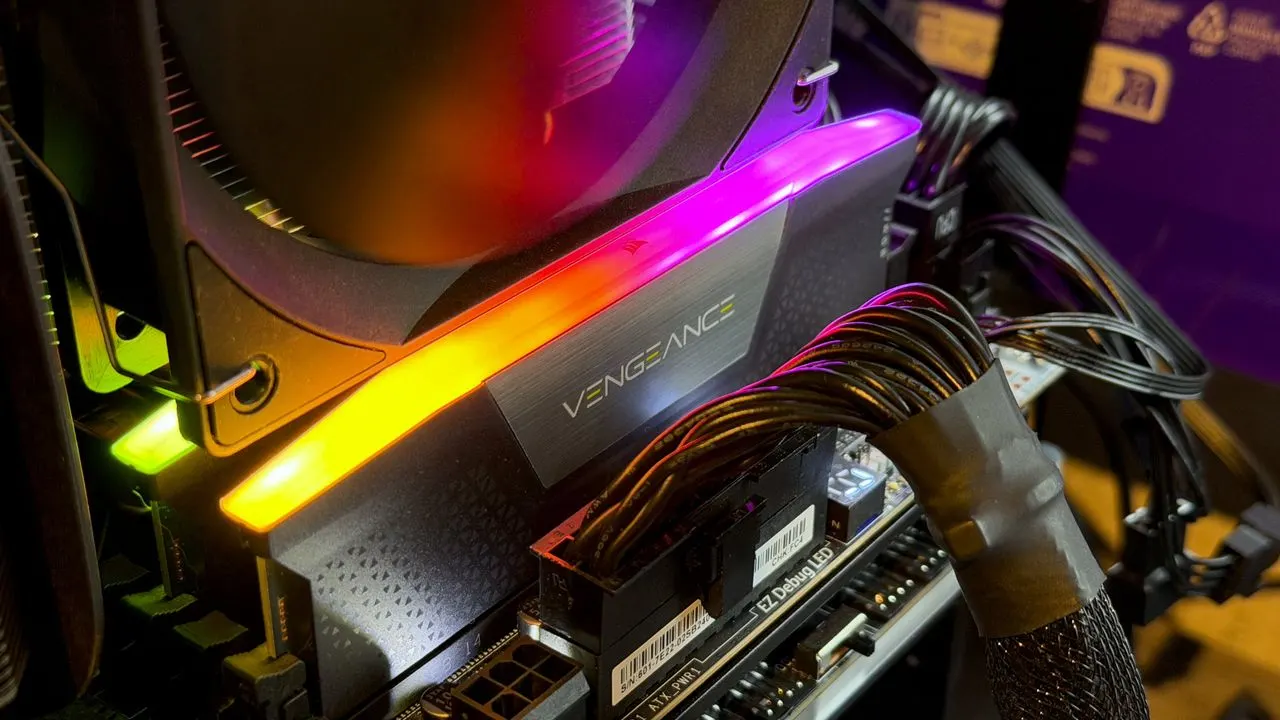
Corsair is experiencing unexpected revenue challenges despite selling high-priced RAM. Gaming component revenue fell 9% in Q2 2026, with a 32GB Vengeance DDR5 kit now commanding $480 compared to its previous $90–100 price tag. However, gross profit increased 17%, revealing a more complex picture than headline prices suggest.
The discrepancy arises from Corsair's dual market position: the company both manufactures and sells memory products whilst purchasing components from third-party suppliers including Samsung, SK Hynix, and Micron. Elevated memory prices inflate Corsair's own procurement costs across its broader product range, offsetting gains from higher-margin RAM sales. Memory revenue rose but other component product revenue declined substantially, demonstrating how supply-chain exposure can diminish profitability even amid steep consumer-facing price increases.
In short
- Corsair's Q2 2026 gaming revenue declined 9% year-over-year despite RAM prices surging dramatically (32GB kits up from $90–100 to $480)
- The company faces margin pressure because whilst high memory prices boost RAM sales, they simultaneously inflate Corsair's own component purchasing costs for other products
Steelman: both sides, in good faith
The strongest fair case each way — we don't pick a winner.
The case for
Corsair faces genuine cost pressures from suppliers like Samsung, SK Hynix, and Micron, necessitating price adjustments to maintain profitability. The 17% gross profit improvement demonstrates that pricing is appropriately calibrated to real input costs rather than arbitrary markups. When supply constraints push component costs higher, market pricing must adjust accordingly—this reflects sound economic principles.
The case against
The price increases far exceed reasonable cost adjustments; a 4-5 fold jump in RAM prices is excessive even accounting for supply constraints. The explicit decline in demand and 9% revenue fall show the strategy is counterproductive. Rather than passing the entire cost burden to consumers, Corsair could absorb more of these increases within improved margins, but instead is exploiting supply tightness at the expense of market access and consumer welfare.
Explained simply
Corsair sells gaming components, including memory kits such as Vengeance DDR5. It also buys memory chips from suppliers such as Samsung, SK Hynix and Micron to use in its products.
When chip prices rise, Corsair may charge more for some memory kits, but it also faces higher costs for components across its range. Its results therefore depend on both what customers buy and what it pays suppliers, so expensive RAM does not automatically mean higher revenue or profit.