Could El Niño mean there are no Atlantic hurricanes this year?
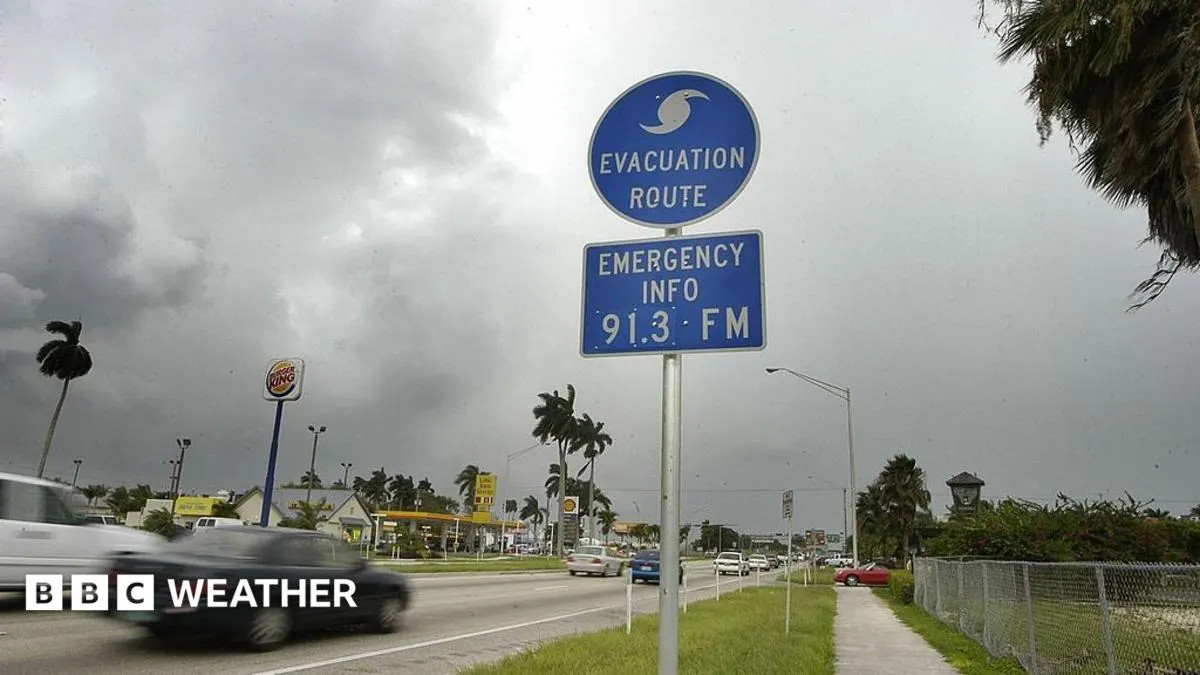
The 2026 Atlantic hurricane season could become the first on record in the satellite era without a single hurricane. No hurricanes have formed during September—the typically most active month—for the first time in more than 30 years. El Niño, the natural warming of the tropical Pacific Ocean, is the primary cause, as it creates wind patterns that suppress Atlantic hurricane development whilst simultaneously energising storms in the Eastern North Pacific.
Although four named tropical storms formed in the Atlantic in September—Edouard, Fay, Gonzalo and Hanna—none developed into hurricanes. With just two months remaining in the season and no tropical activity expected for at least the next week, a hurricane-free season looks increasingly likely. By contrast, the Eastern Pacific has experienced well above-normal activity, with 17 named storms, nine hurricanes and record-breaking sea surface temperatures exceeding 2015 levels.
- No hurricanes have formed in Atlantic all season, potentially the first in the satellite era
- El Niño's wind patterns prevent Atlantic hurricanes but supercharge Pacific storms
- Eastern Pacific has broken temperature records and produced nearly three times normal storm energy
New here? Start with this
The Atlantic hurricane season runs annually from June through November, with September typically the most active month. Hurricanes pose a significant threat to millions across the Atlantic basin, Caribbean and United States, making the season a major focus of weather monitoring.
El Niño is a natural warming of the tropical Pacific Ocean that occurs periodically and influences global weather patterns. When El Niño develops, it creates atmospheric conditions that suppress Atlantic hurricane formation whilst simultaneously fuelling stronger storms across the Pacific Ocean.
This year could mark the first Atlantic hurricane season without a hurricane in the satellite monitoring era, spanning several decades. Such a season would be unprecedented and demonstrates how large-scale ocean temperature patterns can dramatically alter typical tropical storm behaviour.