Business news and discussion on TalkFuse.
Could the SNP’s eco zealots be coming for Scotland’s cows?
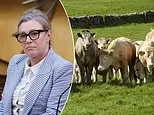
Scottish Government Rural Secretary Gillian Martin has suggested that "difficult decisions" may need to be made regarding Scotland's livestock industry to help meet climate targets. This marks a potential shift from the government's previous assurances to farmers and comes amid concerns that any weakening of the UK's ban on new petrol and diesel cars by 2035 could leave a shortfall in Scotland's carbon budget. Opposition politicians have warned that such a move could "decimate" rural communities.
Scotland's livestock industry is worth £4.5 billion and supports tens of thousands of jobs. The Scottish Government is committed to reaching Net Zero by 2045, five years ahead of the rest of the UK. Martin's comments about "very difficult decisions" regarding livestock directly contradict her predecessor Mairi Gougeon's assurance to farmers only six months earlier that there would be "no policy to reduce livestock numbers". The Committee for Climate Change previously advised reducing livestock numbers, but the government had rejected this recommendation.
In short
- SNP Rural Secretary hints at potential reduction in livestock to meet climate targets
- £4.5 billion industry supports tens of thousands of Scottish jobs
- Marks U-turn from government's pledge six months ago not to reduce livestock
Steelman: both sides, in good faith
The strongest fair case each way — we don't pick a winner.
The case for
Supporters of considering livestock reductions argue that Scotland’s 2045 net-zero target requires action across major sources of emissions, and that livestock policy cannot be exempt from difficult choices if other measures leave a gap in the carbon budget. They may see a planned, gradual transition as a way to meet climate commitments while giving farmers time and support to adapt.
The case against
Opponents argue that reducing livestock numbers could damage a £4.5 billion industry, threaten rural jobs and communities, and undermine a sector on which many areas depend. They may also contend that changing course after assurances that there would be no policy to reduce numbers risks eroding trust, and that emissions goals should be pursued without imposing disproportionate costs on farmers.
Explained simply
Scotland’s livestock industry produces meat and dairy and is worth about £4.5 billion, supporting tens of thousands of jobs. It is an important part of rural economies, where farming also shapes how land is used.
The Scottish Government has set a target for Scotland to reach net zero greenhouse gas emissions by 2045, five years before the UK-wide target. The independent Committee on Climate Change has advised cutting livestock numbers as one way to reduce emissions, but the government previously rejected that advice.
The debate concerns how Scotland can meet its climate target while supporting farmers and rural communities. A previous rural secretary had said there would be no policy to reduce livestock numbers, so any change in approach could affect both the farming sector and the government’s climate plans.
Business Climate Government Markets Politics Science UK World