World news and discussion on TalkFuse.
Could this African nation become Trump’s next terror target as jihadists close in on power?
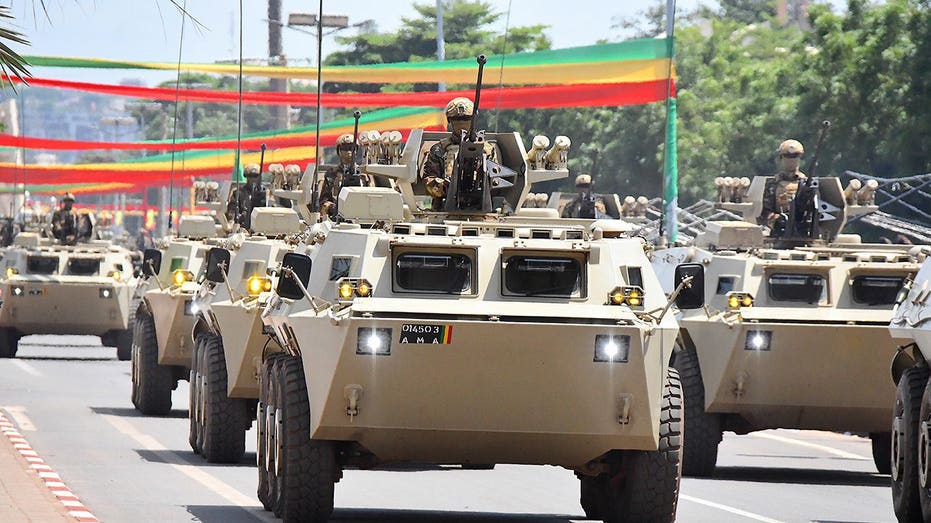
The article reports that the United States is reportedly considering airstrikes against Jama’at Nusrat al-Islam wal-Muslimin (JNIM), an al Qaeda-linked group advancing in Mali. It argues that the prospect matters because JNIM has placed the capital, Bamako, under pressure and could make Mali the first country governed by a jihadist organisation if it succeeds.
Mali’s military junta, in power after coups in 2020 and 2021, moved away from French and US security support in favour of Russia’s Africa Corps, but the article says Russian-backed forces have struggled against jihadists. JNIM is blamed, alongside another group, for killing 50 Malian soldiers this month and is reported to have forced Russian units to retreat; analysts also cite Mali’s gold production and lithium deposits as potential factors in US interest. Experts caution, however, that limited strikes could not by themselves reverse Mali’s political decline or eliminate a resilient insurgency.
In short
- US reportedly weighs strikes against al Qaeda-linked JNIM in Mali.
- JNIM’s advance has increased pressure on Mali’s Russian-backed junta.
- Analysts doubt airstrikes alone could stop the insurgency.
Steelman: both sides, in good faith
The strongest fair case each way — we don't pick a winner.
The case for
JNIM is a documented al Qaeda-linked organisation that has demonstrated significant military capability, killed Malian soldiers, and poses a genuine threat to Mali's capital and regional stability. A jihadist takeover would create a destabilised region vulnerable to terrorism and extremism, justifying targeted military action alongside longer-term political efforts. Degrading JNIM's military capacity, though insufficient alone, could prevent catastrophic outcomes and preserve opportunities for political settlement.
The case against
Mali is a sovereign state entitled to choose its own security partnerships, and unilateral US military action would constitute intervention without the consent of Mali's government, however one views that government's legitimacy. As the article notes, limited strikes cannot resolve Mali's underlying political instability or eliminate a resilient insurgency; the actual drivers of jihadist strength are governance failures and social grievances rather than military capability alone. Sustainable security requires diplomatic engagement and political solutions, not military interventionism that has repeatedly failed in similar contexts.
Explained simply
Mali is a West African nation that has experienced significant instability over recent years. The country's military, which took power through coups in 2020 and 2021, has recently moved away from long-standing military partnerships with France and the United States, turning instead to Russian military support. This shift comes as an al Qaeda-linked jihadist group, known as JNIM, has been advancing militarily and threatening the capital city, Bamako.
Mali's military junta has been backed by Russian forces known as Africa Corps, but these troops have struggled to contain JNIM's expansion. JNIM has recently inflicted significant military losses, killing dozens of Malian soldiers and reportedly forcing Russian units to retreat. The group's growing strength raises the prospect that it could establish the first jihadist-governed state in the region if its current momentum continues.
Mali's strategic importance extends beyond regional security concerns. The country holds valuable natural resources, including gold and lithium deposits, which make it of interest to various international powers. Experts have noted, however, that any military intervention would face substantial challenges, as limited strikes alone would be unlikely to reverse Mali's political instability or defeat a deeply entrenched armed rebellion.