Counterterrorism expert warns Abdul El-Sayed Senate bid raises homeland security concerns
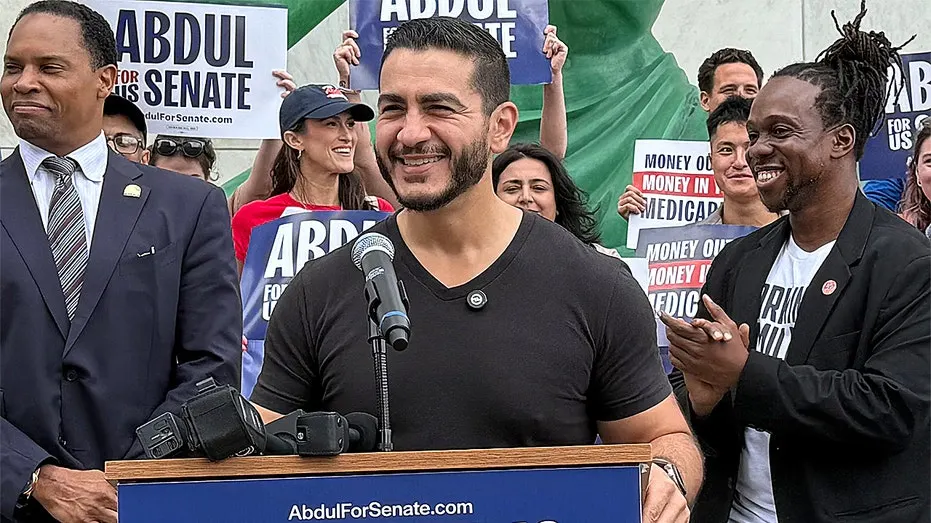
A counterterrorism analyst told a Senate Judiciary Subcommittee hearing that Michigan Democratic Senate nominee Abdul El-Sayed's candidacy raises homeland security concerns, citing his father-in-law's alleged links to Muslim Brotherhood-connected groups and El-Sayed's ties to a voter-engagement organisation the analyst linked to the Council on American-Islamic Relations (CAIR). Sen. Ted Cruz pressed Kyle Shideler of the Center for Security Policy on the claims during a hearing on Muslim Brotherhood activity in the US that was boycotted by all Democrats on the panel, meaning the allegations went unchallenged in the room. The exchange feeds into a wider Republican effort to scrutinise El-Sayed ahead of the Michigan Senate race, with the campaign not immediately responding to requests for comment.
Shideler testified that El-Sayed's father-in-law, Jukaku Tayeb, once led CAIR-Michigan and sat on an Islamic Society of North America committee reserved for major donors, and alleged that voter-outreach group Emgage has close CAIR ties, including a founding member once on a terror watchlist who had consulted for a convicted terrorist. Cruz also drew Shideler into discussing a purported "Red-Green Alliance" between Islamist groups and the Democratic Socialists of America. A Fox News Digital review claimed El-Sayed, who campaigns on removing money from politics, had accepted donations from at least 41 individuals with some form of CAIR ties, and the article noted his past refusal to comment on the killing of Iran's supreme leader and past association with a controversial streamer.
In short
- Analyst tells Senate hearing El-Sayed's family ties raise security concerns
- Democrats boycotted the Muslim Brotherhood hearing entirely
- El-Sayed reportedly took donations from 41 CAIR-linked individuals
Steelman: both sides, in good faith
The strongest fair case each way — we don't pick a winner.
The case for
The concerns about El-Sayed's associations with CAIR-affiliated organisations and his father-in-law's leadership role in CAIR-Michigan reflect legitimate questions about Muslim Brotherhood-connected networks' influence in American politics. Organisations can serve as vehicles for advancing ideological objectives, and documented connections warrant congressional scrutiny, particularly for those seeking high office with national security responsibilities. This is fundamentally about examining organisational networks and influence rather than targeting religion itself.
The case against
These allegations rely on guilt by association stretched across attenuated connections—a father-in-law's civil rights involvement, voter outreach participation, donations from individuals with loose CAIR ties—that would not trigger similar scrutiny if applied to candidates of different faiths. CAIR is a legitimate registered organisation serving American Muslim communities, and supporting Muslim civic engagement is not inherently suspicious. The entirely Democratic-boycotted hearing presents a one-sided narrative rather than balanced inquiry, reflecting a pattern of targeting Muslim candidates through conspiratorial framing rather than evidence-based security analysis.
Explained simply
Abdul El-Sayed is a Democrat running for the US Senate in Michigan. The Senate Judiciary Committee examines legal and security issues, and its subcommittees hold hearings where witnesses give evidence to senators.
The Council on American-Islamic Relations (CAIR) is a Muslim civil rights and advocacy organisation. Emgage is a voter-engagement group that works with Muslim American communities; the claims about El-Sayed focus on alleged links between people associated with these groups and his family or campaign.
The Muslim Brotherhood is an Islamist movement founded in Egypt, and its activity in the United States is the subject of political and security debate. Allegations about a candidate’s associations can matter to voters assessing national security, while the Senate race also gives political rivals a platform to scrutinise candidates.