World news and discussion on TalkFuse.
Couple flees Canada after dystopian doctors offer suicide as treatment for treatable condition
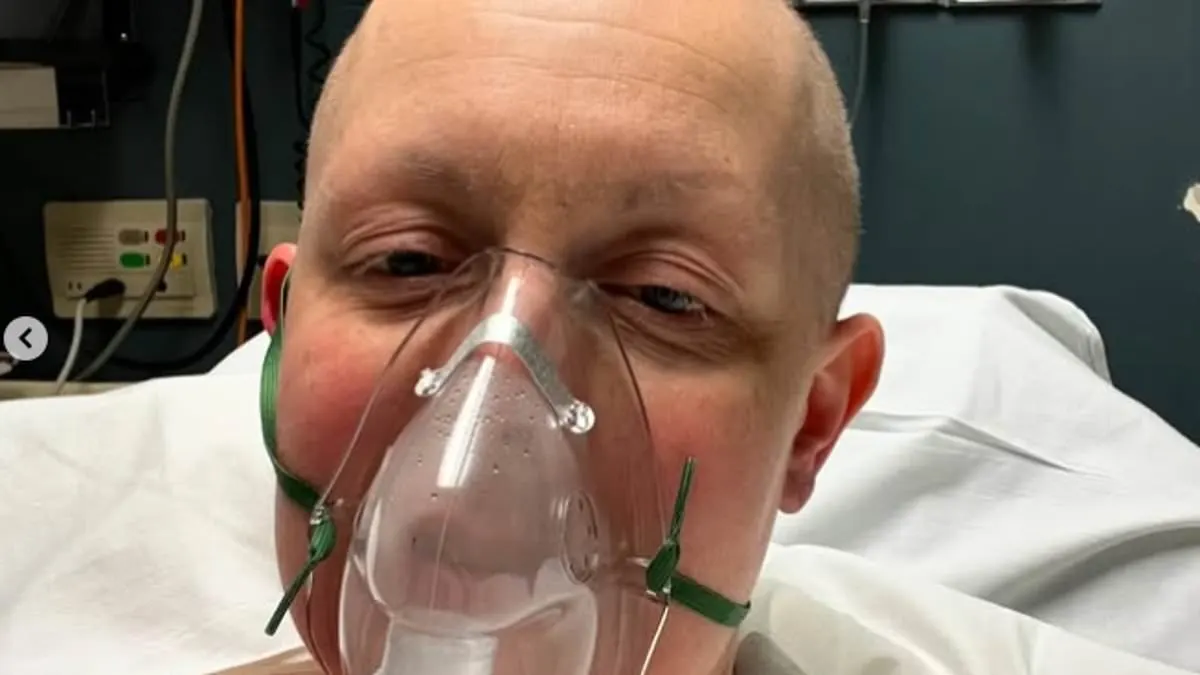
Kristin Logan, a 43-year-old US Air Force veteran living in British Columbia, says she was offered Canada’s Medical Assistance in Dying programme after being diagnosed with advanced ovarian cancer. She and her husband returned to the United States for care, saying they wanted treatment that could help her live.
Logan’s diagnosis came in September 2023 after months of symptoms and several incorrect diagnoses; scans found cancer and fluid around her lungs. She says an emergency doctor advised her to seek treatment outside Canada, and that she was struggling to breathe when she reached Washington State. Within days of receiving treatment there, the fluid receded and her health improved, according to her account.
In short
- Kristin Logan says she was offered MAID after her cancer diagnosis.
- She returned to the US for treatment.
- She says her breathing improved within days of treatment.
Steelman: both sides, in good faith
The strongest fair case each way — we don't pick a winner.
The case for
Supporters of Canada’s MAiD programme may argue that offering information about it to a seriously ill patient can respect personal autonomy, provided it is presented as one option and never substitutes for appropriate cancer care. They may also say the account raises questions about whether the offer was made in a careful, informed way, rather than proving that the programme itself is incompatible with treatment.
The case against
Critics may argue that raising assisted dying with a patient who has a potentially treatable cancer, especially amid breathing difficulties and diagnostic delays, risks undermining trust and making a vulnerable person feel that care is being withdrawn. They may see the reported improvement after treatment in the United States as a reason to scrutinise whether Canadian clinicians adequately explored and explained treatment options before mentioning MAiD.
Explained simply
Canada’s Medical Assistance in Dying programme, often called MAiD, allows eligible people to request medical help to end their lives. It is separate from cancer treatment, which may aim to control or cure the disease, depending on the diagnosis and available options.
Kristin Logan is a US Air Force veteran who was living in British Columbia when she was diagnosed with advanced ovarian cancer. Her account concerns the care she says was offered in Canada and the treatment she later sought in Washington State, bringing attention to how patients navigate serious illness across the Canada–US border.
Americas Health Medicine UK World