Politics news and discussion on TalkFuse.
Court strikes down pregnant workers law by ruling House proxy vote unconstitutional
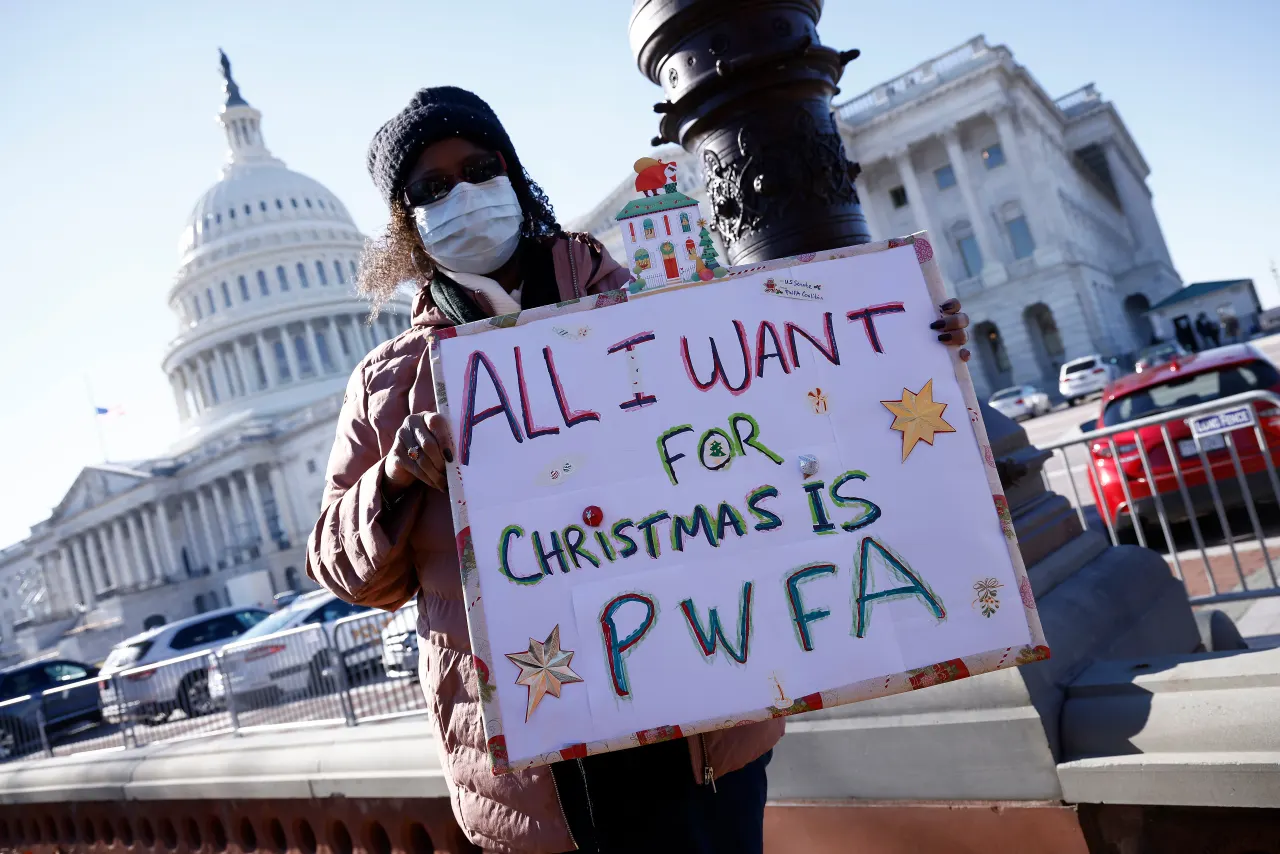
A divided federal appeals court has struck down the Pregnant Workers Fairness Act, ruling that proxy votes did not count towards the House quorum required to pass it. The decision blocks enforcement of a law requiring employers to provide accommodations for pregnant workers and could prompt challenges to other laws passed under pandemic-era proxy voting rules.
The 5th US Circuit Court of Appeals ruled 9-8 on Friday, upholding a Texas judge’s 2024 decision in a case brought by Attorney General Ken Paxton. The Act was included in a $1.7 trillion spending package passed in December 2022, when House rules allowed members to vote remotely on behalf of up to 10 colleagues. The advocacy group A Better Balance said it expected an appeal to the US Supreme Court; eight dissenting judges argued that no one had objected to the quorum when the package passed.
In short
- Appeals court blocks enforcement of the Pregnant Workers Fairness Act.
- The 9-8 ruling says proxy votes did not establish a House quorum.
- The law’s supporters may appeal to the Supreme Court.
Steelman: both sides, in good faith
The strongest fair case each way — we don't pick a winner.
The case for
The law’s supporters can argue that pregnancy-related accommodations help workers remain employed and protect their health, while giving employers a clear legal duty. They may also contend that overturning the Act because of proxy voting rules leaves workers without protections approved by Congress, despite the absence of a quorum objection at the time.
The case against
Opponents can argue that the Constitution’s quorum requirement is a safeguard for legitimate lawmaking, and that remote proxy votes did not satisfy it under the House rules then in force. On this view, enforcing a law passed without the required quorum would weaken procedural limits on Congress, and the same reasoning may apply to other laws enacted through proxy voting.
Explained simply
The Pregnant Workers Fairness Act is a US federal law intended to help people stay at work during pregnancy. It requires employers to make reasonable changes, such as allowing extra breaks or temporarily adjusting duties, unless doing so would cause significant difficulty or expense.
The law was part of a large spending package passed by the House of Representatives in December 2022. At the time, House rules let members cast votes remotely on behalf of colleagues; the dispute concerns whether those proxy votes counted towards the minimum number of members needed for the House to conduct business.
The case was brought by Texas Attorney General Ken Paxton, and the appeals court ruling affects whether the law can be enforced. It may also influence legal challenges to other measures passed while remote proxy voting was allowed.