Courting controversy and befriending Trump – the story of Fifa boss Infantino
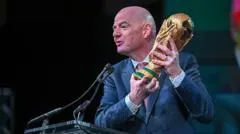
Gianni Infantino’s decade as Fifa president has transformed the organisation from a body damaged by corruption allegations and financial problems into one expecting record revenues, but his leadership is again attracting controversy. His expansion of major tournaments and close relationship with Donald Trump have strengthened his influence, while critics argue Fifa’s plans to involve private investors in competitions risk commercialising the game excessively.
Infantino was elected in 2016 after Sepp Blatter resigned, promising to restore Fifa’s reputation and increase support for member associations. Fifa expects revenue of $13bn (£9.6bn) over the three-year cycle ending this year, helped by the expanded World Cup and Club World Cup, though high ticket prices and the proposed sale of competition stakes have prompted opposition from players’ unions and European football.
- Infantino has rebuilt Fifa’s finances but faces fresh criticism.
- Expanded tournaments have increased revenue and intensified controversy.
- Plans for private investment have alarmed European football.
New here? Start with this
Gianni Infantino has been president of Fifa, the international governing body for football, since 2016. He was elected after Sepp Blatter resigned following a major corruption scandal that had damaged Fifa's reputation and finances, and he promised to restore the organisation's credibility and increase support for member associations.
During his tenure, Infantino has significantly expanded Fifa's major tournaments, including enlarging the World Cup and creating an expanded Club World Cup. These changes have helped generate record revenues, with Fifa projecting £9.6bn over the current three-year cycle. However, his plans to sell competition stakes to private investors have drawn criticism from player unions and European football bodies concerned about excessive commercialisation of the sport.
Infantino's leadership has become increasingly controversial, partly reflecting his close relationships with influential figures in politics and business. These connections have raised questions about Fifa's independence and strategic direction, though supporters point to the significantly improved financial position of the organisation.
Both sides, in good faith
The strongest fair case each way — we don't pick a winner.
The case for
Infantino’s supporters can argue that expanding tournaments has helped Fifa raise record revenues and fund more support for football associations worldwide, while giving more teams and fans a chance to take part. They may see private investment and close ties with influential leaders as practical ways to secure resources and access for the game.
The case against
Critics can argue that rapid expansion and high ticket prices risk putting revenue ahead of players’ welfare, competitive balance and supporters’ access. They may also see selling stakes in competitions as an excessive commercialisation of football, and worry that close political relationships could compromise Fifa’s independence or reputation.