Crackdown on critical tech could open Americans to a new national security threat
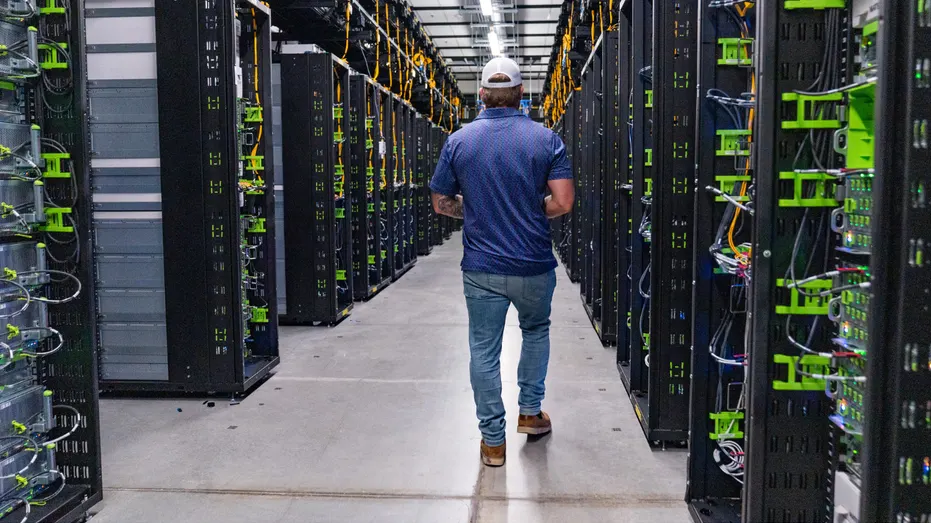
A data privacy advocate has warned that restrictions on new US data centres could lead American companies to process sensitive information overseas, potentially creating national-security and privacy risks. The argument is that demand for AI computing will continue regardless of domestic limits, so companies may buy capacity in countries with weaker safeguards or interests that conflict with those of the United States.
The warning comes as states and communities consider limits over data centres’ heavy electricity use, water consumption, noise and environmental effects. Brittany Kaiser, chief executive of Alpha Compute, supports regulation but says developments can reduce local pressure through closed-loop cooling and self-generated power; her company is planning an off-grid project in Pennsylvania. Pennsylvania and Texas have introduced requirements for large facilities, while New York Governor Kathy Hochul has imposed a one-year moratorium on new hyperscale data centres.
- US data-centre limits could push sensitive data processing overseas.
- AI demand is driving rapid expansion of computing infrastructure.
- States are balancing security concerns against local environmental and grid pressures.
New here? Start with this
Data centres are buildings filled with computers that store information and provide the processing power behind online services and artificial intelligence. Large facilities can use substantial amounts of electricity and water, and nearby communities have raised concerns about their environmental effects and noise.
US states and local communities are considering rules to limit those effects. Brittany Kaiser, who leads data centre company Alpha Compute, supports regulation but argues that some facilities can reduce pressure on local resources by using different cooling systems and generating their own power.
The debate also concerns where sensitive information is processed. Kaiser warns that if US capacity is restricted while demand for computing continues, companies may turn to facilities abroad, where privacy protections or national interests may differ.
Both sides, in good faith
The strongest fair case each way — we don't pick a winner.
The case for
Limits on data centres can protect communities from heavy electricity and water use, noise and environmental harm, while encouraging companies to make facilities more efficient. States may reasonably act where growth is outpacing infrastructure or local consent, and a pause can give them time to assess impacts and set safeguards.
The case against
AI computing demand is likely to continue, so restricting domestic capacity could push companies to process sensitive information abroad, where privacy protections or national interests may differ. Supporters of building at home argue that clear standards, efficient cooling and on-site power can reduce local burdens while keeping data and computing capacity under US oversight.