Crematoria Are Being Used to Heat Homes and Swimming Pools
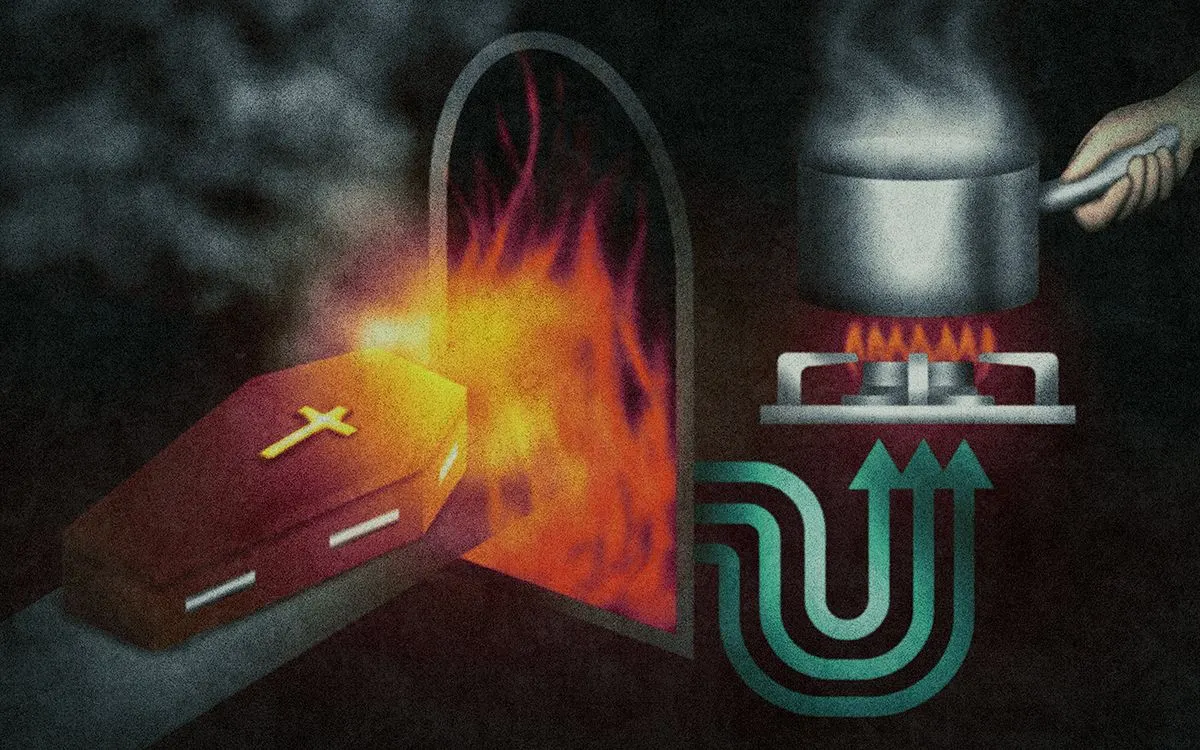
Crematoria in parts of Europe are recovering heat from their operations to warm swimming pools, schools and homes. The approach can reduce fuel use and the carbon impact of cremation, although it has sometimes prompted public criticism because of the sensitivities surrounding death.
In Redditch, heat from flue gases at a crematorium is transferred through an underground water loop to the town’s swimming pool, saving the council tens of thousands of pounds a year. Aberdeen’s crematorium is expected to supply just under 1 gigawatt-hour annually to a new school, about half its heat needs, with the system due to operate by February 2027. A planned crematorium in Kangasala, Finland, is set to connect to a district network serving more than 6,500 homes.
In short
- Redditch’s crematorium waste heat warms the town’s swimming pool.
- The system saves the council tens of thousands of pounds yearly.
- New projects are planned in Aberdeen and Finland.
Steelman: both sides, in good faith
The strongest fair case each way — we don't pick a winner.
The case for
Recovering heat that would otherwise be wasted can reduce fuel use, emissions and public costs while supplying useful heat to pools, schools and homes. With careful safeguards and transparent communication, these systems may be a practical way to make cremation less resource-intensive without changing the service itself.
The case against
Even when the heat is captured from flue gases and handled through a separate system, using it in homes or leisure facilities may feel incompatible with the dignity and privacy people expect around cremation. Critics may argue that communities should be consulted and that environmental or financial gains do not automatically outweigh those concerns.
Explained simply
A crematorium uses a furnace to cremate a person’s body, producing hot gases that would otherwise be released through a flue. Heat recovery systems capture some of this energy and transfer it, often through a water loop, to nearby buildings.
Local councils and other operators may use the recovered heat to reduce fuel use and heating costs. The systems can be designed to keep the heat supply separate from the cremation process, but using it this way has raised sensitivities because it links energy for everyday spaces with the handling of the dead.
The amount of heat available depends on the crematorium and the buildings nearby. Supplying pools, schools or homes can form part of a wider local heating network, while the effect on emissions depends on what fuel or energy source it replaces.