World news and discussion on TalkFuse.
Criminals and Russians under sanctions may have operated in Europe using forged Romanian citizenships
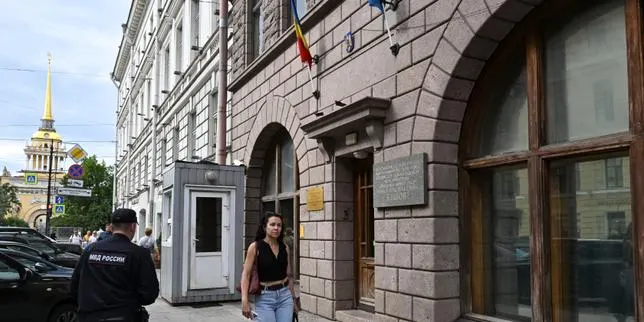
A joint investigation of Romanian court records found that about 50 Russians and some Ukrainians may have used forged Romanian citizenship documents to travel or carry out activities in Europe. The cases raise concerns that fake EU nationality could help people evade sanctions and checks, and expose gaps in European security.
Romania has identified more than 3,255 attempted frauds involving false family histories since 2022, while a newer scheme using fake citizenship certificates reportedly benefited at least 300 people. Applications by Russian citizens to restore Romanian citizenship rose from 1,947 in 2021 to 6,658 in 2023; authorities are investigating hundreds of cases and pursuing document revocations. Investigators describe a cross-border network of intermediaries and officials, and say a Ukrainian suspect is accused of arranging papers for 839 Russian citizens.
In short
- Court records link about 50 Russians and some Ukrainians to forged Romanian papers.
- Fake EU citizenship may help people bypass sanctions and travel checks.
- Romania is investigating hundreds of cases and revoking documents.
Steelman: both sides, in good faith
The strongest fair case each way — we don't pick a winner.
The case for
The cases point to a serious vulnerability: forged EU citizenship documents could help sanctioned individuals evade checks, travel across borders and undermine the credibility of lawful citizenship processes. Supporters of a tougher response would argue that Romania and its European partners should strengthen verification, investigate intermediaries and officials, and revoke documents where fraud is established to protect public security and the rule of law.
The case against
A forceful crackdown risks treating legitimate applicants, including people with genuine family ties to Romania, as suspect because of nationality or a rise in applications. A careful response should distinguish proven fraud from allegations, preserve fair procedures and appeal rights, and address weaknesses in document controls without making lawful citizenship harder to obtain.
Explained simply
Romanian citizenship can give people the right to live and work across the European Union and to travel more easily between countries. Romania has a process for restoring citizenship to some people with Romanian ancestry, including descendants of people whose families lived in territories that later changed borders.
Citizenship applications rely on documents showing identity and family links, which authorities must check. Forged records or false family histories can make it harder to establish who is entitled to citizenship and may expose weaknesses in those checks.
The issue matters because EU citizenship can affect border checks, access to other countries and the enforcement of sanctions. Romanian and other European authorities investigate suspected fraud and can seek to revoke citizenship obtained through false documents.
Europe Geopolitics Politics World