Entertainment news and discussion on TalkFuse.
Critical Role’s Matthew Mercer just revealed 1 foundational rule that all Dungeon Masters should use
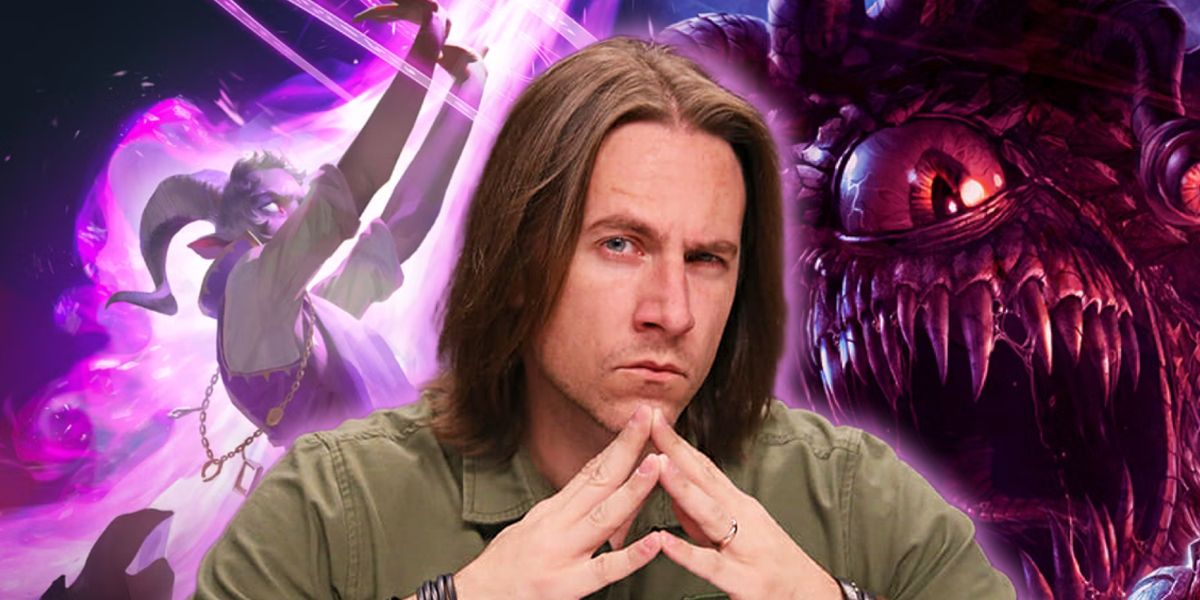
In a recent episode of Critical Role's miniseries Age of Umbra: Sallowlands, Dungeon Master Matthew Mercer demonstrated the "yes and?" technique, a principle borrowed from improvisational theatre, by encouraging a player to explore how an ability might help rather than dismissing it outright. The moment has prompted discussion about a foundational rule that professional and amateur Dungeon Masters alike can use to keep collaborative storytelling flowing during tabletop role-playing games.
The scene arose when player Laura Bailey's character, Sister, considered taking shelter from a dust storm but faced a roll disadvantage; she wondered aloud whether an experience called Dust to Dust might help. Rather than shutting down the idea, Mercer asked how she would like to use it, echoing an earlier instance in the same miniseries when he let another player, Jennifer English, invent an in-the-moment ability for her character. Crucially, "yes and?" does not guarantee success, as dice rolls still determine outcomes, but it fosters creativity and keeps the narrative collaborative rather than restrictive.
In short
- Matthew Mercer used the "yes and?" improv rule while DMing Critical Role's Sallowlands.
- The technique lets players explore ideas rather than being shut down immediately.
- Success still depends on dice rolls, but creativity is encouraged.
Steelman: both sides, in good faith
The strongest fair case each way — we don't pick a winner.
The case for
The 'yes and?' technique fosters creative collaboration and player agency, which are central to modern tabletop role-playing. By exploring player ideas rather than dismissing them, Dungeon Masters invite players to be genuine co-authors of the narrative, deepening investment and enjoyment. Critically, this approach doesn't eliminate challenge or consequence—dice rolls still determine success—but it prevents arbitrary gatekeeping that can frustrate players and stifle the emergent storytelling that makes TTRPGs distinct from other entertainment.
The case against
Whilst collaborative storytelling matters, 'yes and?' should not be treated as a foundational rule because it can undermine world consistency and coherence. A Dungeon Master's role includes maintaining an internally logical world with clear rules and meaningful consequences; constantly improvising new abilities or mechanics in response to player suggestions can dilute challenge, confuse causality, and eventually exhaust the DM's ability to prepare meaningful scenarios. Different player groups prefer different playstyles—some value strict adherence to established mechanics and pre-planned world elements—and prescribing one technique as foundational disregards the diversity of what makes TTRPGs rewarding for different tables.
Explained simply
Critical Role is a popular streaming show where professional actors play Dungeons & Dragons, a tabletop game based on collaborative storytelling. Matthew Mercer serves as the Dungeon Master, the person who creates and runs the game world whilst the other players control individual characters within it.
In recent gameplay, Mercer employed a technique called "yes and?" when faced with a player's creative suggestion, asking how the player would like to use it rather than refusing outright. This reflects a principle from improvisational comedy where participants build on one another's contributions rather than blocking them.
The method maintains the collaborative spirit of the game by encouraging players to explore creative possibilities without fear of automatic rejection. Though the final outcome of any attempt is still determined by dice rolls, this approach prevents the Dungeon Master from unnecessarily restricting the story, keeping players engaged and invested in the shared experience.