Entertainment news and discussion on TalkFuse.
Critics of Sony’s Decision to Kill Physical Discs Call on Gamers to Boycott PlayStation for a Week Next Month, but Will Anyone Listen?
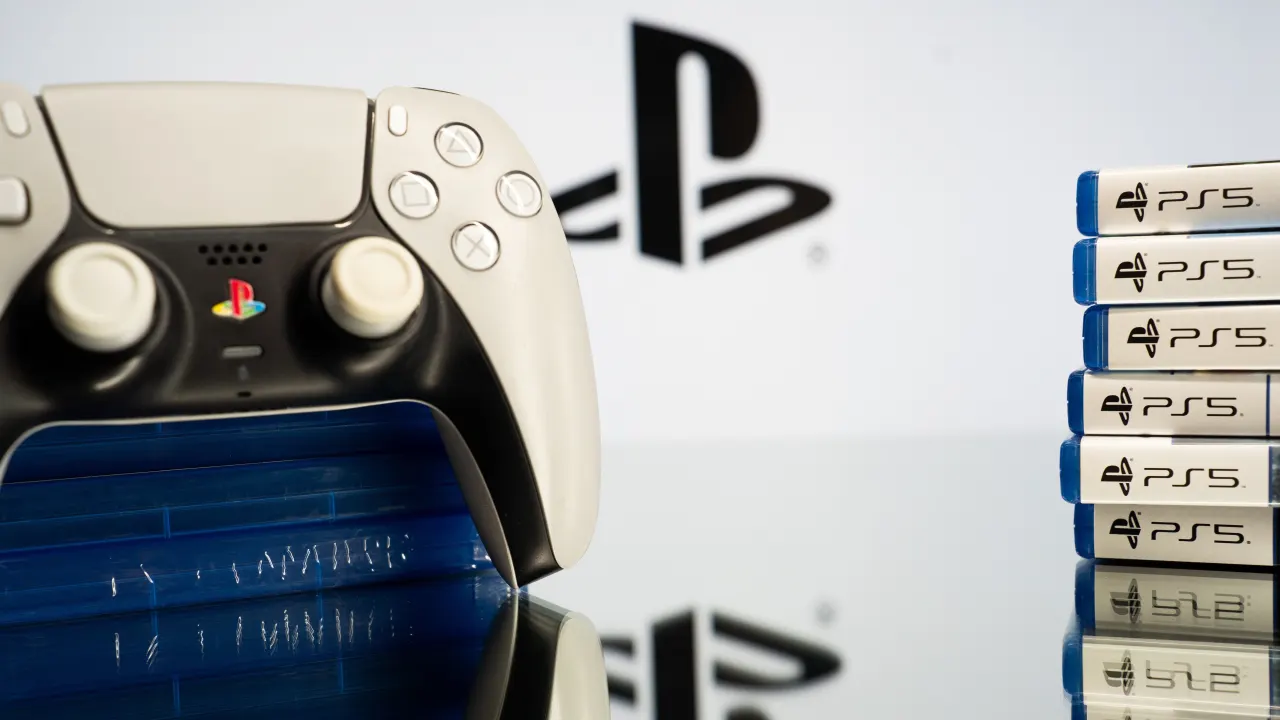
Critics of Sony's plan to discontinue physical PlayStation game discs from January 2028 are calling on gamers to boycott the platform for a week in August, in protest at what they see as an abandonment of consumer choice. The campaign, driven largely by the "Does it play?" account on X and viewed nearly a million times, urges fans to avoid logging in, playing or purchasing anything on Sony platforms during the week-long #PSBlackout. Sony has defended the move as a natural response to shifting consumer habits towards digital formats, but the decision has provoked backlash from gamers concerned about ownership and game preservation, as well as from industry bodies.
Sony said physical disc production for new titles would end from January 2028, with existing and upcoming pre-2028 disc releases unaffected. Industry data cited in support of the shift shows only seven PlayStation games sold more than 100,000 physical copies in the US so far this year. However, the UK's Entertainment Retailers Association (ERA) pushed back, noting that 25% of under-25s still buy discs, with chief executive Kim Bayley calling the decision "a triumph of corporate convenience over consumer choice." Sceptics note that video game boycotts have historically struggled to achieve their aims, and the timing coincides with the release of the eagerly awaited Metal Gear Solid: Master Collection Vol. 2.
In short
- Sony to end PlayStation disc production for new games from January 2028
- Critics call for a week-long #PSBlackout boycott in August
- UK retail body ERA says 25% of under-25s still buy physical games
Steelman: both sides, in good faith
The strongest fair case each way — we don't pick a winner.
The case for
The discontinuation of physical media fundamentally undermines consumer rights and long-term game preservation. Digital purchases remain perpetually licensed and revocable through account suspension or service closure, whilst physical copies guarantee permanent ownership; moreover, digital storefronts can vanish entirely, rendering titles permanently inaccessible, whereas physical media remains playable indefinitely. With 25% of under-25s still purchasing physical discs, Sony is abandoning genuine consumer demand purely for corporate convenience.
The case against
Sony's decision reflects genuine market evolution, with data showing only seven PlayStation games exceeded 100,000 physical sales in the US this year, indicating consumers have decisively shifted to digital distribution. Maintaining parallel infrastructure is economically inefficient and environmentally wasteful; the shift acknowledges market reality rather than indulging nostalgia. Digital delivery offers consumers immediate access, reduced storage requirements, simplified updates and lower environmental impact—benefits increasingly valued by modern gamers.
Explained simply
Physical game discs have long been a standard way for PlayStation gamers to purchase and own games. Over the past decade, however, digital downloads have become increasingly common, with customers buying and downloading games through online stores instead of purchasing physical copies.
Sony, the company behind PlayStation, has announced it will cease producing physical discs for new games from January 2028. The company says this reflects market trends, with sales data showing digital purchases now dominate game buying, though it has confirmed that games released before 2028 will continue to be available on disc.
The decision has sparked controversy around consumer rights and gaming preservation. Critics have raised concerns that digital-only ownership differs from physical media in important ways, particularly because digital games can be removed from stores and become inaccessible. Industry bodies and consumer advocates have questioned the decision, pointing to evidence that physical purchases remain valued by significant segments of the gaming market.