Critics Vindicate ‘Artificial’ After Messy Amazon MGM Breakup (and the Studios vs. Talent Wars Around AI Are Just Beginning)
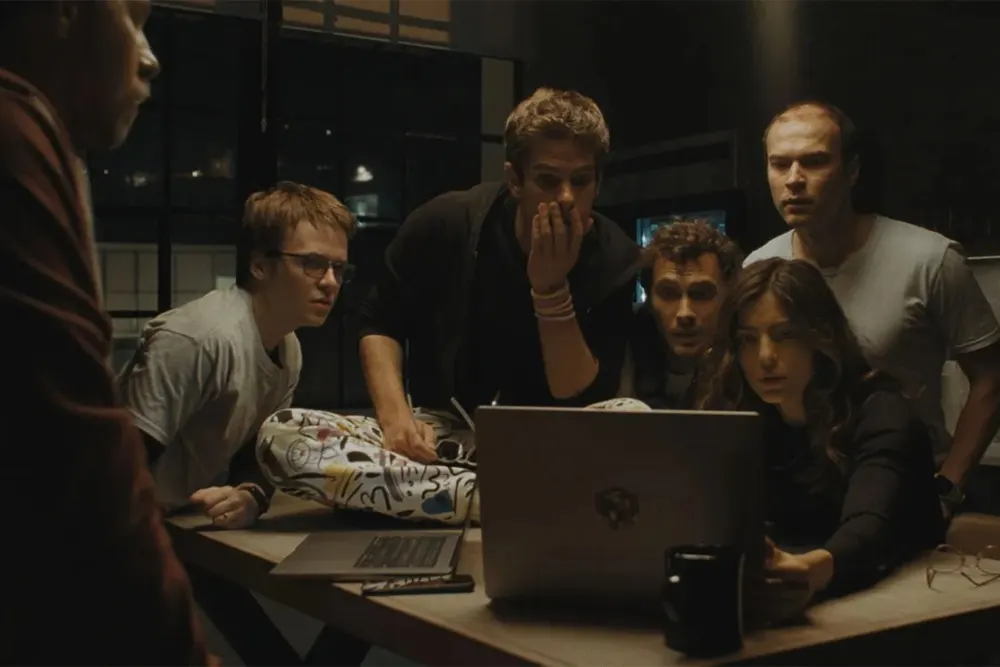
Luca Guadagnino’s film “Artificial”, about artificial intelligence and Sam Altman, received a standing ovation at the London Film Festival after strong reviews at its New York premiere. The response has overturned doubts about the film’s quality after Amazon MGM dropped it from its summer schedule, and has renewed scrutiny of how studios’ AI investments may affect their decisions about projects.
Amazon MGM said the film would be better served by another studio, and Neon later acquired global rights. “Artificial” has a 96% Rotten Tomatoes rating, the highest for Guadagnino across 11 feature films, while Andrew Garfield’s performance has generated awards attention. The article also links the dispute to wider tensions over AI and performers: Nicolas Cage said he refused to sign an AI-related likeness waiver for “Spider-Noir”, a series that was later cancelled.
- “Artificial” won strong reviews after Amazon MGM dropped it.
- Neon acquired the film’s global rights.
- Nicolas Cage said he rejected an AI likeness waiver.
New here? Start with this
Artificial intelligence is technology that performs tasks such as generating text, images or voices. Film studios are investing in it, while actors and other performers are raising concerns about how their work and likenesses could be used.
Sam Altman leads OpenAI, a company that develops AI systems. Luca Guadagnino is a film director, and Amazon MGM and Neon are film companies involved in distributing films. Disagreements over a film’s release and performers’ rights sit within a wider debate about how the industry should use AI and who should control its effects on creative work.
Both sides, in good faith
The strongest fair case each way — we don't pick a winner.
The case for
Studios have a duty to back projects they believe can reach audiences, and moving a film to another distributor may reflect commercial judgement or a better fit rather than hostility to its subject. AI can also support production and create new opportunities, provided performers’ consent and control over their likenesses are respected. Critics might therefore see the dispute as an ordinary distribution decision, with the film’s later reception showing that another studio could serve it well.
The case against
When a studio invests in AI, its choices about films that scrutinise the technology can reasonably invite questions about conflicts of interest and whether creative work is being treated fairly. Strong reviews and festival acclaim after the film changed distributors may reinforce concern that its prospects were underestimated, even if they do not establish why it was dropped. Performers’ objections to likeness waivers also point to a broader need for clear consent and safeguards as studios adopt AI.