Cuban dissident Luis Manuel Otero Alcántara goes into exile in US
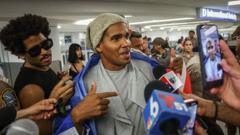
A prominent Cuban artist and advocate for democratic reform has left the island to begin life in the United States following five years of imprisonment. Luis Manuel Otero Alcántara led the San Isidro Movement, a group of cultural figures and intellectuals campaigning for freedom of speech and political change, and was detained after participating in Cuba's largest anti-government demonstrations in decades. His departure marks a symbolic moment in the long-running struggle between activists and the Cuban state.
The dissident's exile arrives during a period of heightened bilateral tensions, with the current US administration imposing new economic pressure including sanctions and an oil blockade on Cuba. These measures have contributed to significant hardship for ordinary Cubans through fuel shortages and tourism decline. Both governments present competing narratives about the situation—Washington frames Otero Alcántara's imprisonment as political repression, whilst Cuban authorities characterise the San Isidro Movement as receiving foreign backing aimed at destabilising the state.
In short
- Cuban dissident and artist Luis Manuel Otero Alcántara has departed Cuba for US exile after serving a five-year prison sentence for anti-government activism.
- His departure occurs amid escalating US-Cuba tensions, including new sanctions and an oil blockade that have worsened economic conditions on the island.
- The case reflects ongoing disputes over freedom of expression, with the US characterizing Cuba's system as oppressive whilst Havana claims dissidents are foreign-backed.
Steelman: both sides, in good faith
The strongest fair case each way — we don't pick a winner.
The case for
Supporters of Washington's approach argue that sustained pressure on Havana, including sanctions, is a legitimate and necessary response to a government that imprisons artists and intellectuals for peacefully demanding free expression. They see Otero Alcántara's imprisonment and subsequent exile as clear evidence that the Cuban state suppresses dissent, and argue that the international community has a moral obligation to support figures like him and to use economic leverage to press for democratic reform, even if that pressure carries short-term costs for ordinary Cubans. From this view, easing pressure would simply reward repression and abandon those risking their liberty for political change.
The case against
Critics of the current US policy argue that broad sanctions and an oil blockade primarily harm ordinary Cubans through fuel shortages and economic hardship, rather than the officials actually responsible for repression, and that such measures may entrench the government's grip by giving it a foreign scapegoat for domestic failures. They contend that framing internal dissent as foreign-backed destabilisation, while contested, reflects a genuine and long-standing sovereignty concern for Cuba, which has faced decades of external pressure it regards as interference in its internal affairs. On this view, engagement and easing of sanctions would do more to improve ordinary Cubans' lives and create space for gradual change than continued economic isolation.
Explained simply
Luis Manuel Otero Alcántara is a Cuban artist and activist who founded the San Isidro Movement, a group of cultural figures campaigning for greater freedom of expression and political reform in Cuba. He was imprisoned following his participation in anti-government protests in recent years.
Cuba's government maintains strict control over media and public discourse, a system that has existed for decades. However, economic hardship and social discontent have prompted growing numbers of Cubans to voice dissatisfaction with conditions on the island.
The United States and Cuba have had a confrontational relationship for more than six decades, characterised by American economic sanctions and political opposition. Both governments dispute the causes of Cuba's difficulties and present competing interpretations of events on the island.
Americas Government Politics World