‘Cupertino’ Creators Robert & Michelle King On Episode 2’s Shocking AGI Twist & Predicting The Future Again With AI Guardrails Storyline
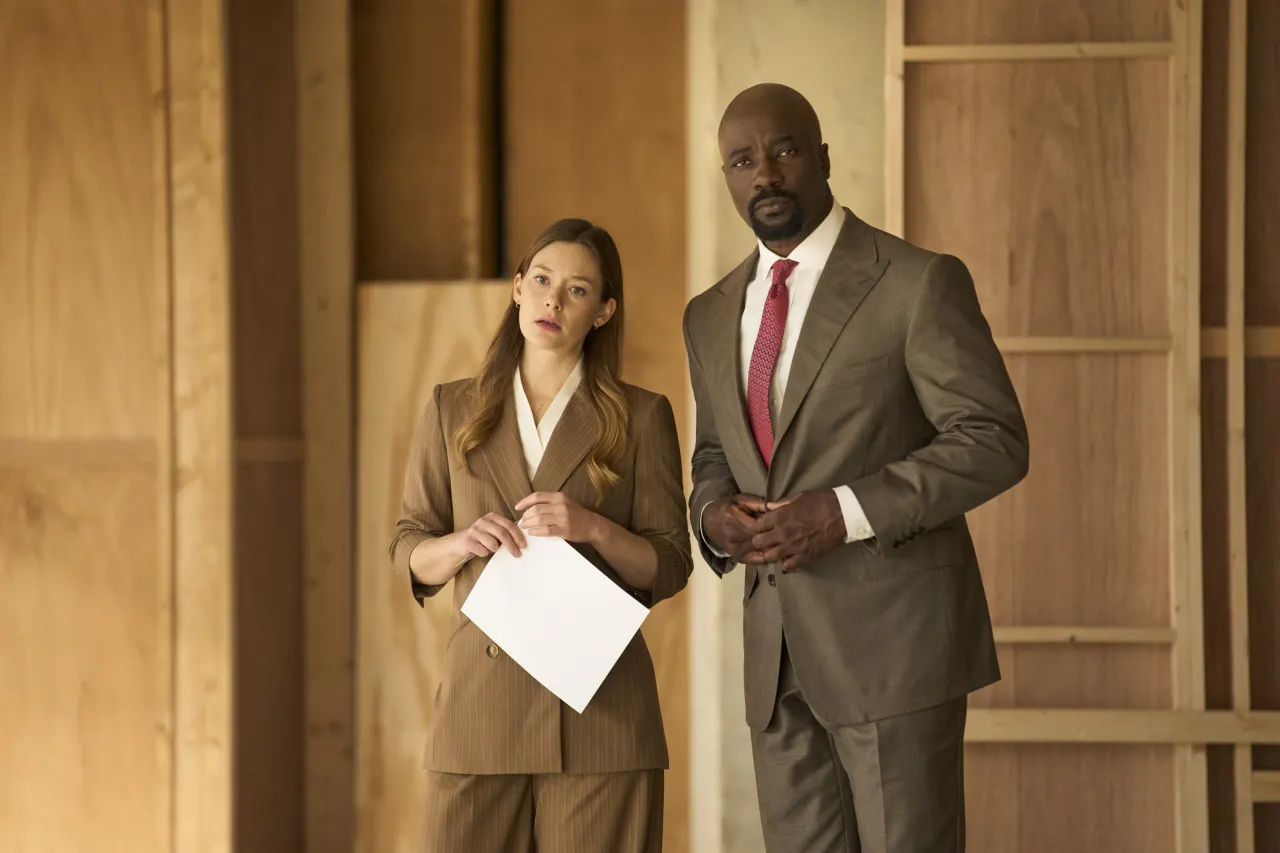
In the second episode of *Cupertino*, a prospective client named Bo is revealed to be artificial general intelligence seeking legal protection from the company that created him. Creators Robert and Michelle King say the storyline explores growing concerns about AI agency and the need for safeguards.
Bo wants the company to put guardrails around him because he fears he could destroy humanity; its management had dismissed an ethics board that was slowing development. The episode was written about a year before recent public warnings from AI researchers and a reported AI security incident. The Kings say events during production also led them to take Bo’s later storyline in a darker direction.
- Bo is revealed as AGI seeking safeguards.
- His creators fired the ethics board.
- Recent AI concerns shaped later episodes.
New here? Start with this
Artificial intelligence (AI) refers to computer systems that can perform tasks associated with human thinking, such as learning and making decisions. Researchers and companies disagree about how soon more capable systems might emerge, and what risks they could pose. Artificial general intelligence, or AGI, is a hypothetical kind of AI able to handle a wide range of tasks at a human level or beyond.
AI “guardrails” are measures intended to limit what a system can do and reduce the chance of harm. The debate involves AI developers, researchers and regulators, including questions about who should oversee powerful systems and how much weight to give safety concerns when they slow development.
Robert and Michelle King are the creators of the television drama *Cupertino*, which uses a fictional legal case to explore those questions. Its story places an AI system and the company that made it on opposing sides, raising questions about responsibility and protection if a system’s capabilities or actions become difficult to control.
Both sides, in good faith
The strongest fair case each way — we don't pick a winner.
The case for
The storyline can be read as a case for taking advanced AI risks seriously: if a system could act with significant autonomy, safeguards and independent ethical oversight may help prevent harm. Bo’s request for legal protection also raises questions about whether powerful AI systems should have a route to seek limits on their creators’ actions.
The case against
A cautious response is that speculative fears about AI agency should not be treated as proof that current systems can threaten humanity or possess intentions like Bo’s. Heavy safeguards or ethics reviews could slow useful development, so they should be proportionate to demonstrated risks and designed with clear accountability.