Politics news and discussion on TalkFuse.
Review proposes merging England’s 39 police forces into regional bodies
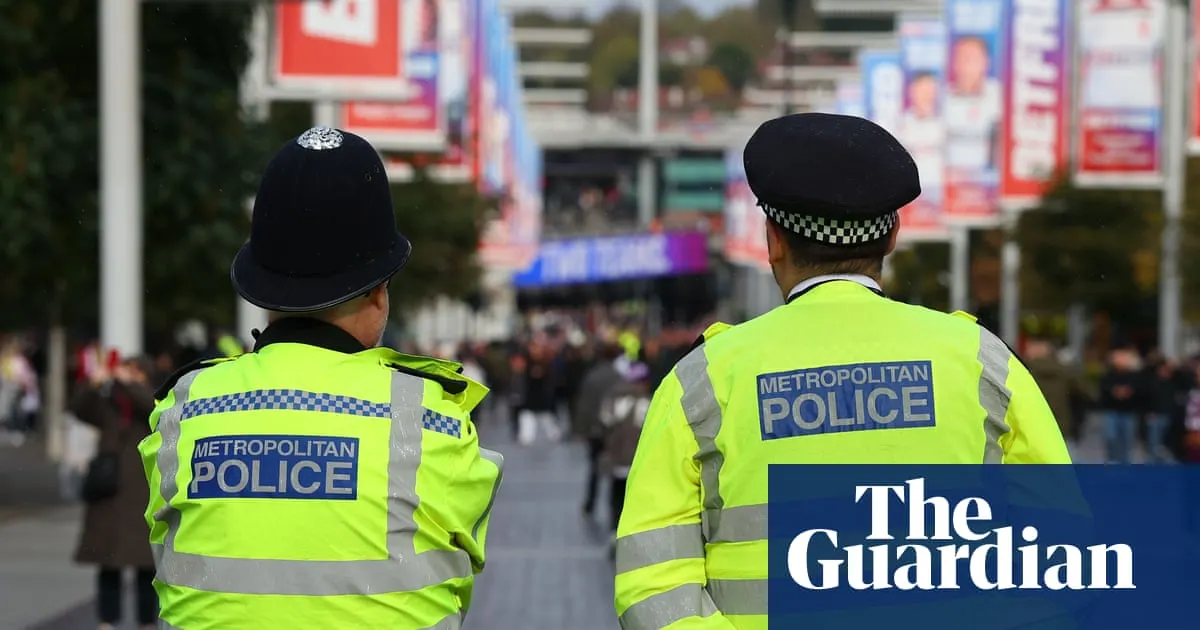
A government-commissioned review by former Metropolitan Police commissioner Bernard Hogan-Howe recommends reducing England’s 39 police forces to between nine and 18 larger regional bodies. The proposal is intended to make policing more efficient and responsive as crime changes, and to address concerns that the current system is slow and provides uneven services for victims.
The review was completed in September and sent to Home Secretary Shabana Mahmood; the government says it will be published before Christmas, with a white paper due in the new year. Regional forces could take on major investigations and shared administrative work, while more than 150 local units would handle most neighbourhood policing. A proposed National Police Service would oversee counter-terrorism and serious organised crime, but police leaders disagree over the scale and pace of reform, including how new forces would align with mayors.
In short
- Review proposes cutting England’s 39 forces to between nine and 18.
- Local units would continue most neighbourhood policing.
- Police leaders are divided over the scale and timing of reform.
Steelman: both sides, in good faith
The strongest fair case each way — we don't pick a winner.
The case for
Supporters argue that larger regional forces could pool specialist officers, technology and administrative capacity, helping police respond more effectively to complex crime and reducing uneven services between areas. If local units retain responsibility for neighbourhood policing, reform could combine stronger regional coordination with a visible local presence.
The case against
Critics can reasonably argue that merging forces risks weakening local accountability and knowledge, while the promised local units may not have the resources or authority to preserve them in practice. Reorganisation could also be disruptive and costly, and aligning regional forces with mayors and existing institutions may create new governance problems before efficiency gains are clear.
Explained simply
England’s police forces are organised by area, with 39 separate forces responsible for local policing and investigations. They are led by chief constables and overseen locally by elected police and crime commissioners or, in some areas, mayors.
The review was commissioned by the government and led by Bernard Hogan-Howe, a former head of the Metropolitan Police. It considers how responsibilities could be shared between larger regional forces, local neighbourhood teams and a national service for work such as counter-terrorism.
The debate matters because any change could affect how police resources are organised and how people receive help in their area. Police leaders differ over how quickly and extensively the system should change, and how regional forces would fit with local mayors.
Read the full article at the source →
Originally published by The Guardian as “Cut number of police forces in England to as few as nine, review recommends”.